

Top Night Sky & Astronomy Events in July 2022
1. Introduction
We've officially passed the halfway point of 2022! Summer is in full force in the Northern Hemisphere, leaving the nights shorter, warmer, and likely more wet than the typical amateur astronomer would hope for. However, we can take solace in knowing that with each passing sunset we will gain slightly more night sky until peaking on the December 21st Winter Solstice. Throughout July, the summer nebulae will dominate astrophotography image galleries and social media feeds, accompanied by some of our closest planetary neighbors. To help prioritize your astronomical observing and imaging sessions, we’ve put together an overview of this month’s highlights to get you out under clear skies and looking up at the cosmos. Gear recommendations and highlights from the astronomy community are included to give you a good idea of the tools needed (or not needed) to enjoy the night sky!
Solar System Events For Astrophotography
The first and last weeks of the month will be prime time for dark skies during the 1st Quarter and New Moon phases, with a Full Supermoon occurring on July 13th. Similar to the June Supermoon, the Moon will appear slightly larger and closer to us than normal as it makes a relatively close approach in its orbital path. We will close the month out with the Delta Aquarids Meteor Shower, peaking on the evening of July 28th and radiating from the constellation Aquarius. Under dark skies you can expect to see up to 20 meteors per hour, with no special gear required!
Moon Phases
- 1st Quarter: July 6th
- Full moon: July 13th (Super Moon)
- Last Quarter: July 20
- New Moon: July 28
Other Events
- July 28th: Delta Aquarids Meteor Shower
Planetary Observing and Imaging
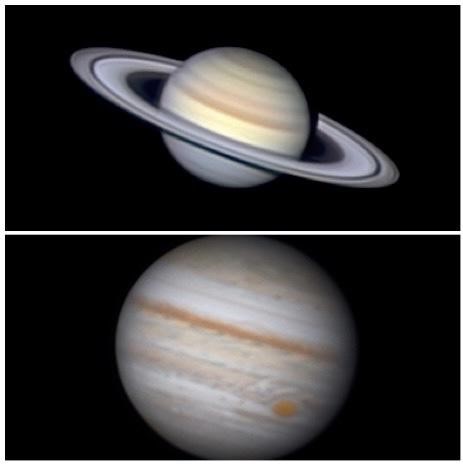
Figure 1 - Saturn: Carlos Olmos, Jupiter: Tom Williams
Throughout July, two of the most popular solar system targets will be visible in the late evening/early mornings depending on your view of the horizon. Shortly before midnight, witness the "King of the Rings" (Saturn) rising in the East, followed shortly after by Jupiter and its Great Red Spot and family of moons. For planetary observing and imaging, aperture and focal length are critical to getting clear, close-up views. Unlike imaging fainter targets which require fast light collection, planetary astronomy does best with "slower" telescopes since the targets are so bright. Check out our Jupiter and Saturn observing guides to get a better idea of what to expect.
While any large telescope can in theory handle this task well, Cassegrain variations are often recommended for planetary astronomy thanks to their large focal length and relatively short optical tube length. The GSO 6" f/12 Classical Cassegrain Telescope (figure 2) can provide adequate focal length in a relatively lightweight optical tube to help your equatorial mount accurately track the planets throughout observing and imaging sessions. If planetary astronomy is your main focus, the Celestron 700 Maksutov-Cassegrain Telescope (figure 3) provides even greater focal length for stunning views of the planets and lunar surface.
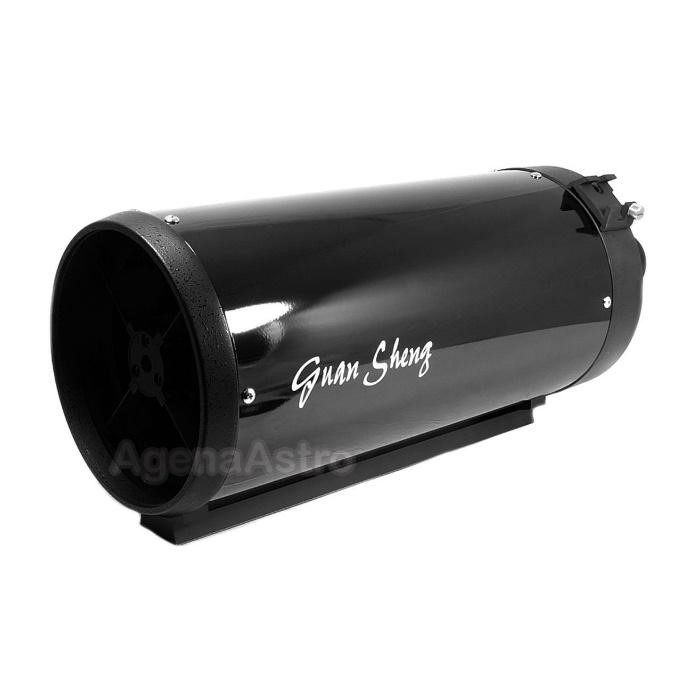
Figure - 2 GSO 6" Classical Cassegrain
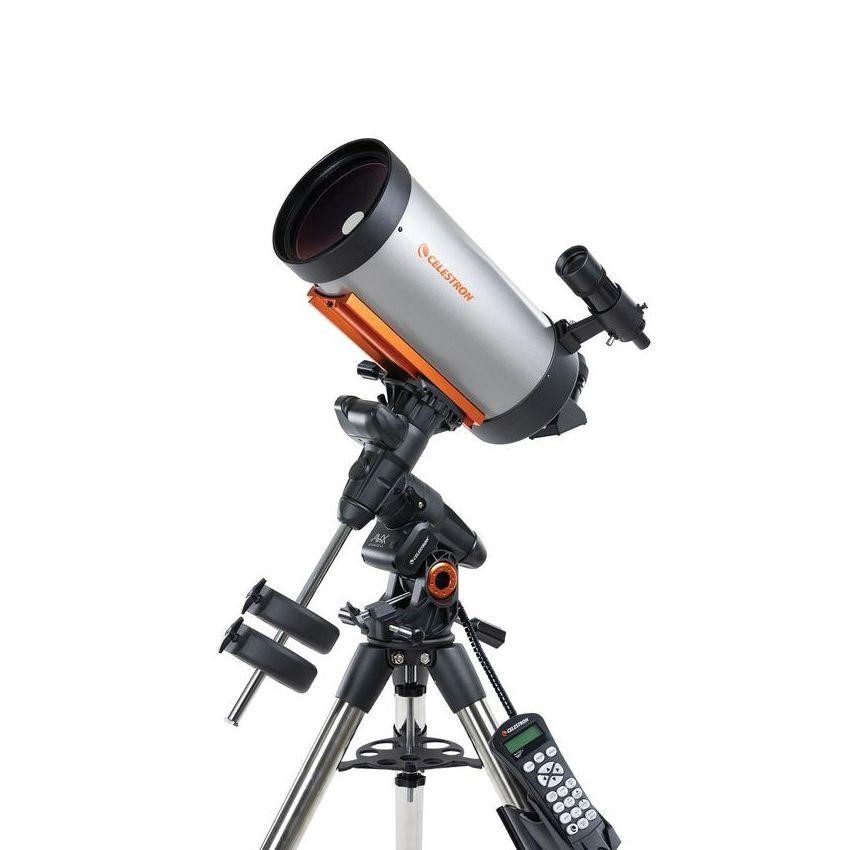
Figure 3 - Celestron 700 Maksutov-Cassegrain
Telescopes of more modest focal lengths can still be used for planetary observing and imaging thanks to the use of barlow lenses and focal extenders, which are highly recommended for planetary astronomy. For observing, a simple barlow such as the GSO 2.5x Barlow will extend the reach of your telescope and eyepieces by about 2.5x, while the Tele-Vue Tele-Vue 2" Powermate focal extenders are designed specifically with imaging in mind and remain optically invisible in the image thanks to their aberration free design. Check out our Guide to Barlow Lenses for more detailed info on how these lenses work.
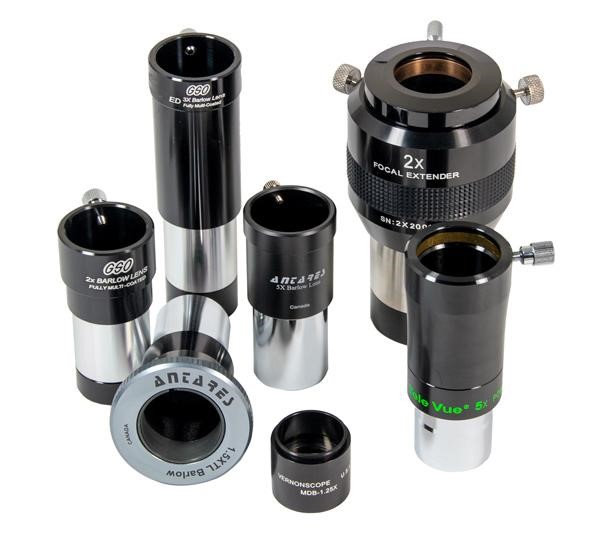
Figure 4 - Barlow Lenses/Focal Extenders
Deep Sky Objects (Nebulae, Galaxies, Clusters)
Summer is the ideal time for widefield imaging! Over the coming weeks and months, the night sky will be increasingly full of vibrant emission nebulae as our sights are turned inward toward the central part of our own Milky Way Galaxy. Short, fast optics will bring these targets to life in no time, while those with larger telescopes can use their narrow fields of view to isolate targeted nebulous structures or produce stunning high-resolution mosaics. Here are some of our recommended deep sky targets for July:
The Trifid Nebula (Messier 20)
The Trifid Nebula in the constellation Sagittarius is a good example of the assortment of cosmic structures one can find in even a relatively small patch of sky. The Trifid Nebula combines an emission nebula, a reflection nebula, a dark nebula, and an open star cluster all in one, making it a popular target for astrophotographers this time of year. The Trifid is commonly imaged with wide-field telescopes, though larger telescopes may help to resolve the dark structures that appear to shelter the more colorful nebulosity.
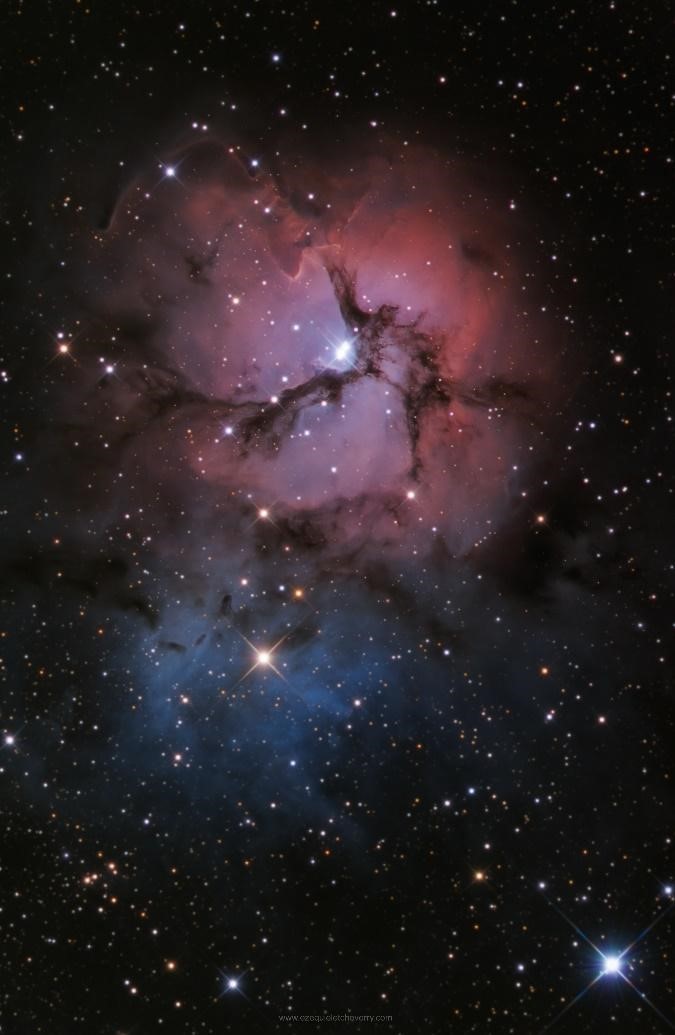
Figure 5 - Trifid Nebula, Ezequiel Etcheverry
Veil Nebula (Cygnus Loop
If you could spend the summer imaging one constellation only, it's easy to imagine Cygnus keeping you quite busy! This month, we turn our sights on the Cygnus Loop (aka Veil Nebula), a massive supernova remnant spanning a large portion of the summer sky. Short focal length telescopes and lenses may be able to capture the full Eastern and Western Veil, while moderate to longer focal lengths can segment off various sections of the region to capture close-ups of finer details. Narrowband imaging will help to reveal the abundance of hydrogen, oxygen, and sulfur in the area and allow for some creative color mapping.

Figure 6 - Cygnus Loop, Samil Cabrera
LDN 564 and Neighbors
If you are lucky enough to access dark skies, broadband targets such as LDN 564 and its neighbors are some less commonly imaged targets. This region contains several dark nebulous clouds within the constellation Serpens, encompassed by an impressive star field that makes for stunning contrast and color variety when imaging this area. Wider fields of view will help to capture not only LDN 564, but also the handful of additional dark nebulae nearby.
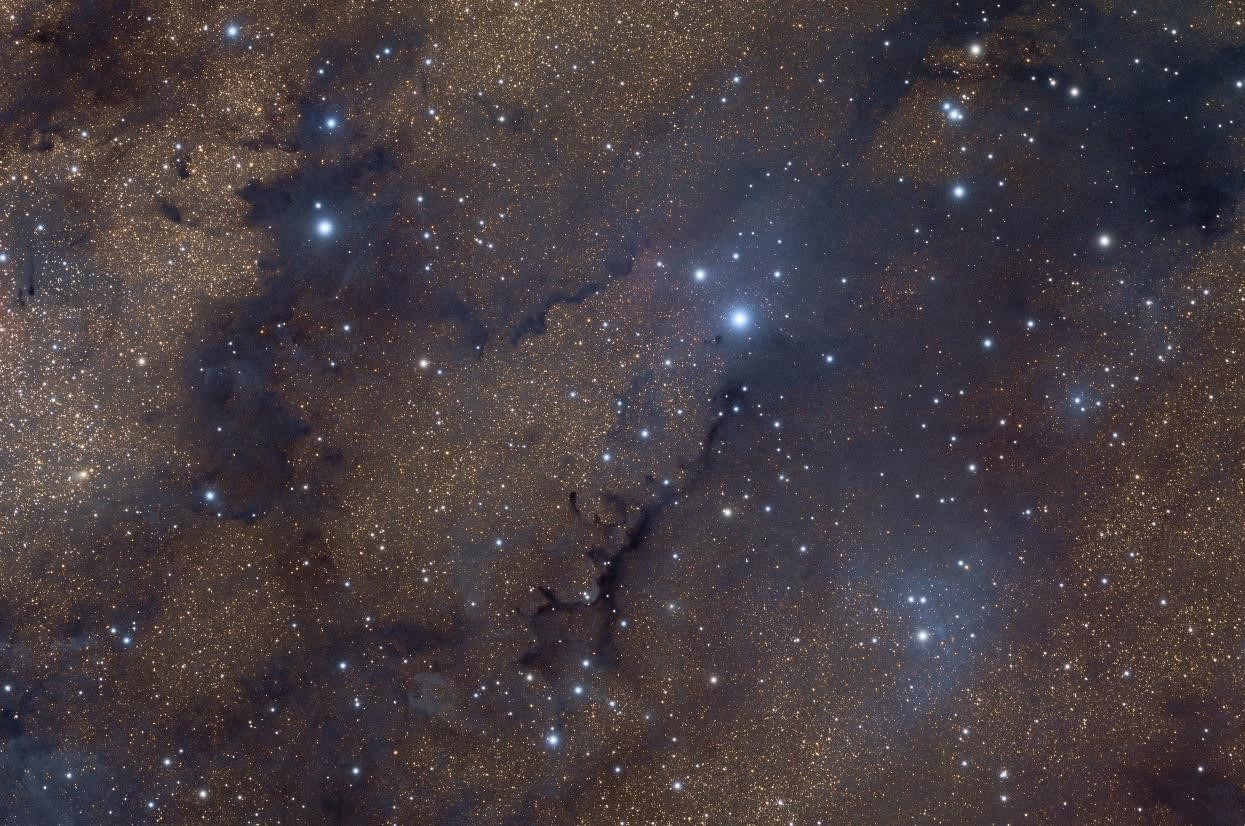
Figure 7 - LDN 564, Prashant Ranganath
Unlike solar system imaging with slower telescopes, fast optics will maximize your light gathering ability per exposure when imaging nebulae (especially in narrowband wavelengths), allowing you to produce a much cleaner image in a much shorter time. Smaller refractors such as the William Optics lineup offer a range of shorter focal lengths which will all nicely frame this month’s recommended deep sky targets. Check out our overview of some of these William Optics refractors such as the Redcat, GT, and ZenithStar models here.
While refractors are more commonly going to have a faster focal ratio than other telescope designs, Newtonian reflectors and similar telescopes are also available in faster focal ratios with much larger primary objectives than a typical refractor. This allows for fast light gathering ability with improved resolving power. The Sharpstar 130mm f/2.8 HNT Hyperbolic Newtonian Astrograph (figure 8) is a perfect example - at an incredibly fast f/2.8 this telescope produces stunning results with even relatively short camera exposures, and at only 9.5lbs it can be easily supported by smaller equatorial mounts for imaging. Since these fast Newtonian telescopes require accurate collimation (alignment of the mirrors) for optimum results, beginner astrophotographers may prefer the ease of use of refractors, though collimation is a simple task with practice.
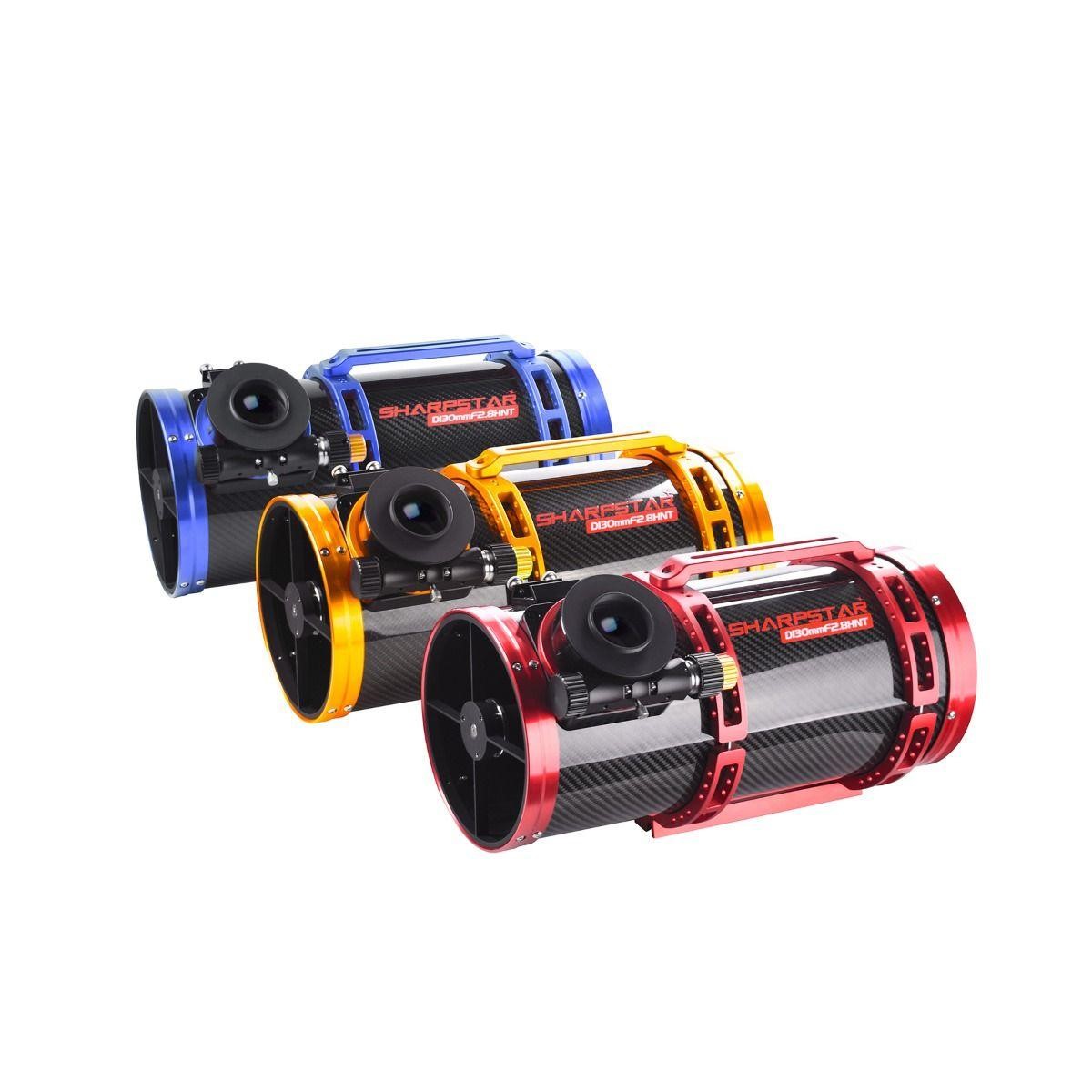
Figure 8 - Sharpstar 130mm f/2.8 HNT Hyperbolic Newtonian Astrograph
*Follow us on Facebook and Instagram to stay up to date on the latest gear, sales, and news from Agena!*