

Updated September 2026 · New products added as they are released
At Agena Astro, we spend every day helping astronomers of all experience levels choose telescopes. After working with thousands of products across nearly every major astronomy brand, we’ve learned that the “best telescope” is rarely the same for everyone.
For our Best Telescopes for 2027 guide, we’ve chosen the models we believe stand out most for smart telescopes, astrophotography, and visual observing. Our selections are based on a combination of real-world performance, usability, versatility, customer feedback, and value. We’ve selected a winner for each major use case so you can quickly find the model that best fits your goals.
We’re calling this our Best Telescopes for 2027 guide because these are the models we believe are the strongest choices heading into 2027. As new telescopes are released, we’ll update this list accordingly.
Our Top Telescope Picks for 2027 at a Glance
Why Trust Us & How We Chose
20+ years in astronomy retail · 200+ years combined astronomy experience · 5,000+ products · 30,000+ five-star reviews
Our picks are based on hands-on product experience, testing, customer feedback, and decades of helping astronomers build complete observing and imaging setups. Because we support customers before and after the sale, we also see the things that rarely make it into a spec sheet: which products work well together, where customers run into problems, and which gear continues to earn strong feedback over time.
Unlike many other best telescope roundups, our picks aren’t driven by affiliate relationships or centered on a single in-house brand. Our goal is simple: recommend the equipment we would confidently recommend to a friend or family member asking us for advice.
Meet the Team Behind the Picks

Mack Murdoc
Astrophotographer of 10 years and host of the Agena Astro YouTube Channel

Nicole Smith
Astrophotographer of 7 years and Content Specialist at Agena Astro

Brian Fulda
Astrophotographer and visual astronomer of 10 years; Head of Marketing at Agena Astro
Explore More 2027 Buying Guides
This guide highlights our best overall telescope picks across all major categories. Have a better idea of what you’re shopping for? Explore our dedicated guides for more focused recommendations beyond the picks featured here.
- Best Smart Telescopes for 2027 — Compare the top all-in-one smart telescopes for easy observing and imaging.
- Best Beginner Telescopes for 2027 — Our top picks for first-time telescope owners and new astronomers.
- Best Astrophotography Telescopes for 2027 — The best imaging telescopes for wide-field, deep-sky, and more.
- Best Astrophotography Mounts, Cameras & Accessories for 2027 — Our top picks for building or upgrading a complete imaging setup.
Seestar S50 Pro All-In-One Smart Telescope
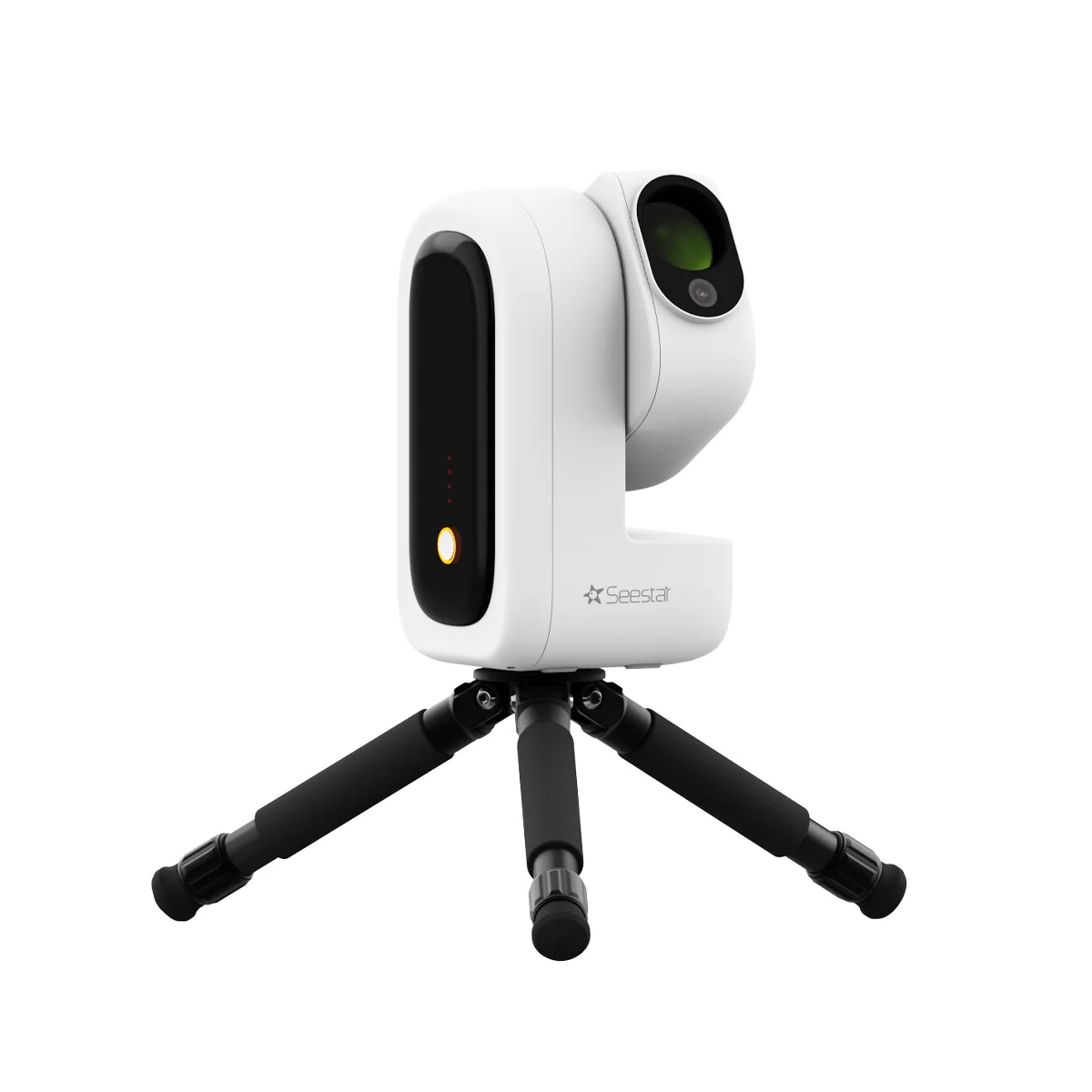
The all-new Seestar S50 Pro checks every box for what a smart telescope should be. It combines detailed 4K deep-sky imaging, wide-field astrophotography, and incredible ease of use in one compact system. From galaxies and nebulae to the Milky Way, star trails, the Sun, Moon, and more, the S50 Pro gives you more ways to explore and capture the sky than almost any telescope in its class.
- Excellent deep-sky image quality in an all-in-one system
- Dual-camera design adds true wide-field imaging
- Extremely easy setup and automated operation
- Versatile for deep sky, Milky Way, Sun, Moon, and more
- Outstanding capability for around $1,000
- No eyepiece for traditional visual observing
- Not ideal for capturing small targets like planets
Seestar S30 Pro All-In-One Smart Telescope
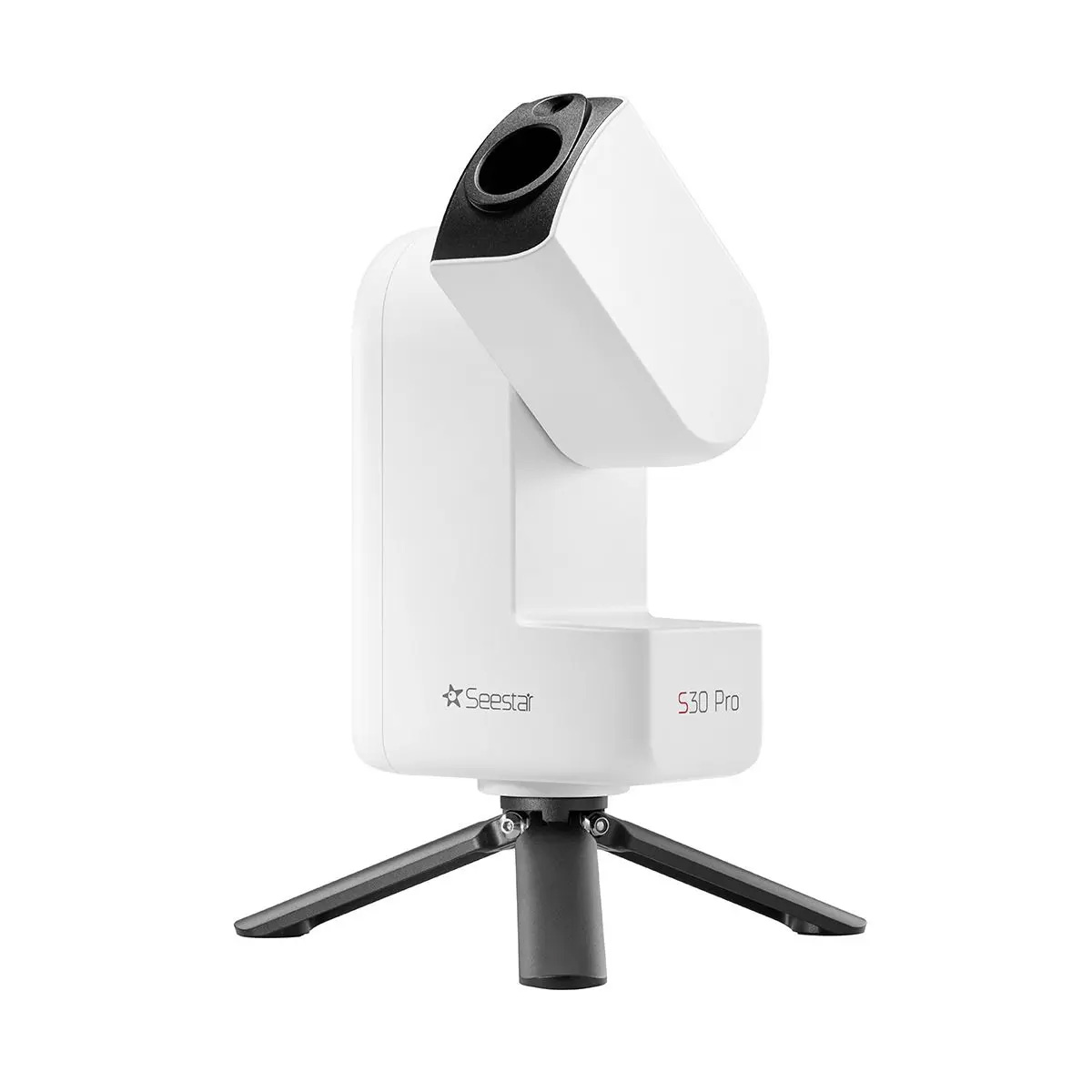
The Seestar S30 Pro is one of the easiest ways for a beginner to start capturing the night sky. It handles the complicated parts for you — alignment, focusing, tracking, image stacking, and processing — so you can choose a target in the app and start getting results without first learning how to build or operate a traditional astrophotography setup.
- Extremely easy to use, even with no astrophotography experience
- Dual cameras cover both deep-sky and wide-angle imaging
- Compact 3.6 lb design is ideal for travel and quick sessions
- Built-in filters and included solar filter add a lot of versatility
- Excellent capability and image quality for the price
- No eyepiece for traditional visual observing
- Not ideal for capturing small targets like planets
- 30mm aperture limits detail vs. larger S50 Pro
Askar 103 APO f/6.8 Triplet Refractor Telescope
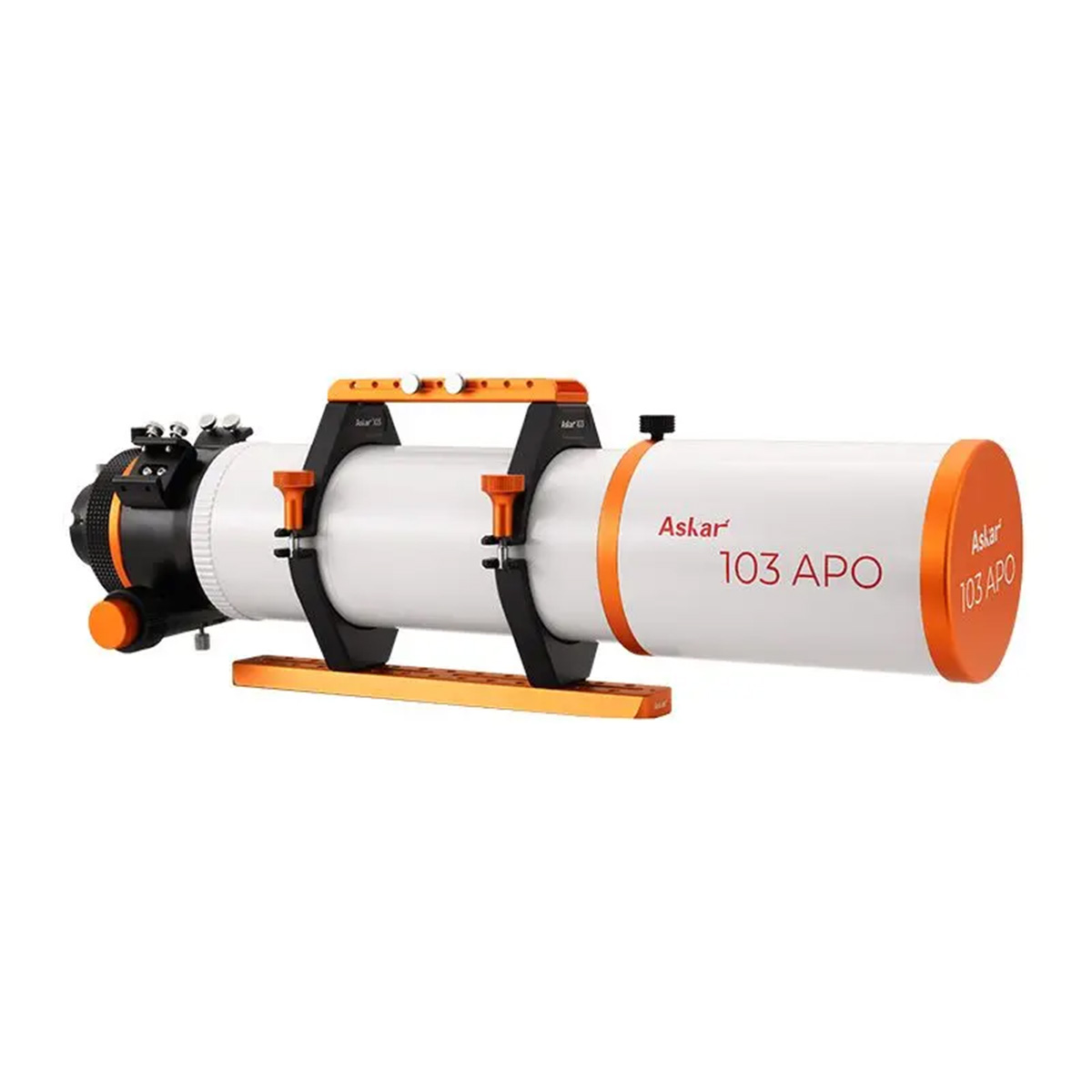
The Askar 103APO is a highly versatile imaging refractor that strikes a balance between portability, resolution, and flexibility. Its 103mm triplet design gives you excellent image quality, while its optional flatteners and reducers let you work at multiple focal lengths — from 420mm all the way up to 700mm — so it can handle everything from wider nebulae to smaller deep-sky targets without locking you into one type of imaging.
- Versatile design can be configured from 420mm to 700mm
- 103mm aperture offers a strong balance of portability and resolution
- Triplet optics deliver excellent color correction and image quality
- Well suited to both wider and more medium-scale deep-sky imaging
- Easier to mount and manage than larger refractors
- Flatteners and reducers are sold separately and are required for imaging
- Native focal ratio is not as fast as dedicated wide-field Petzval designs
Askar 71F Quadruplet APO Refractor Telescope
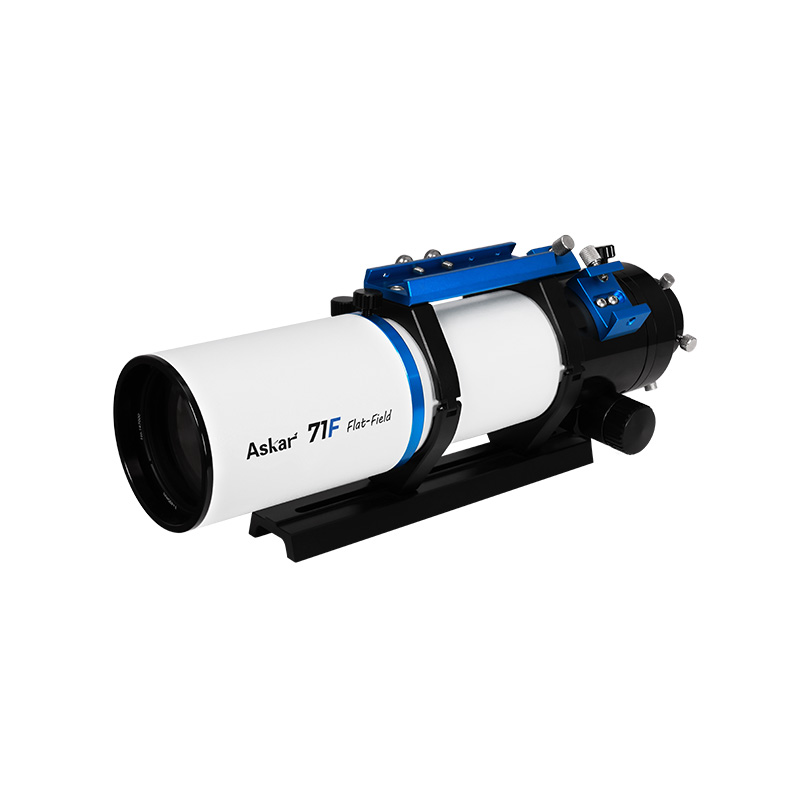
Our Best Beginner Astrophotography Telescope pick for 2027, the Askar 71F combines a flat-field quadruplet design, full-frame coverage, and excellent image quality at a price that’s difficult to beat.
- Built-in flat-field design — no separate flattener required
- Full-frame capable with excellent edge-to-edge correction
- Versatile 490mm focal length for many popular deep-sky targets
- Compact 5.5 lb OTA works well on smaller mounts
- Excellent optical performance for the price
- Native f/6.9 is slower than dedicated fast astrographs
- Focal length is not ideal for very small galaxies, planets, or other high-resolution targets
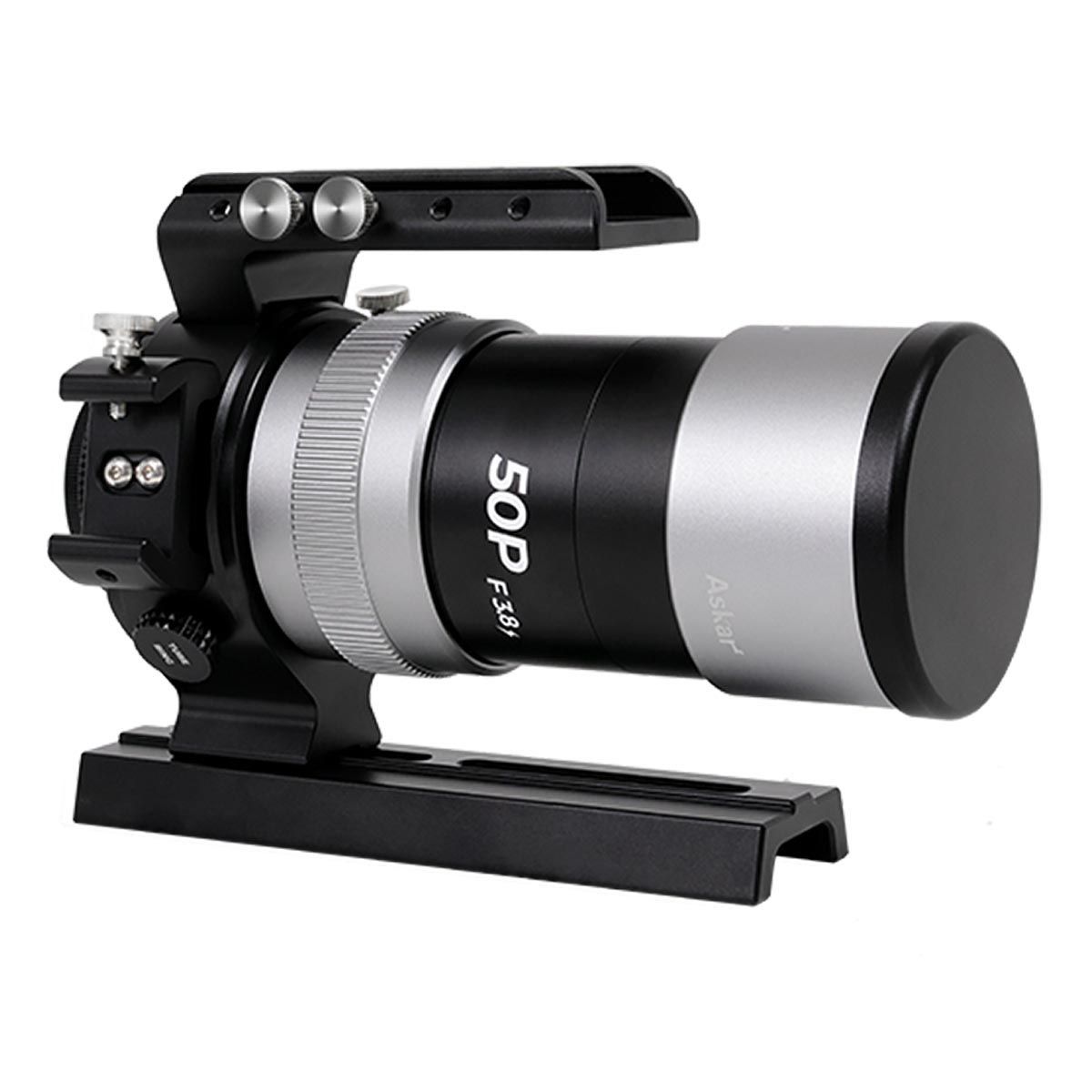
Askar 50P f/3.8 Quadruplet Petzval APO Refractor
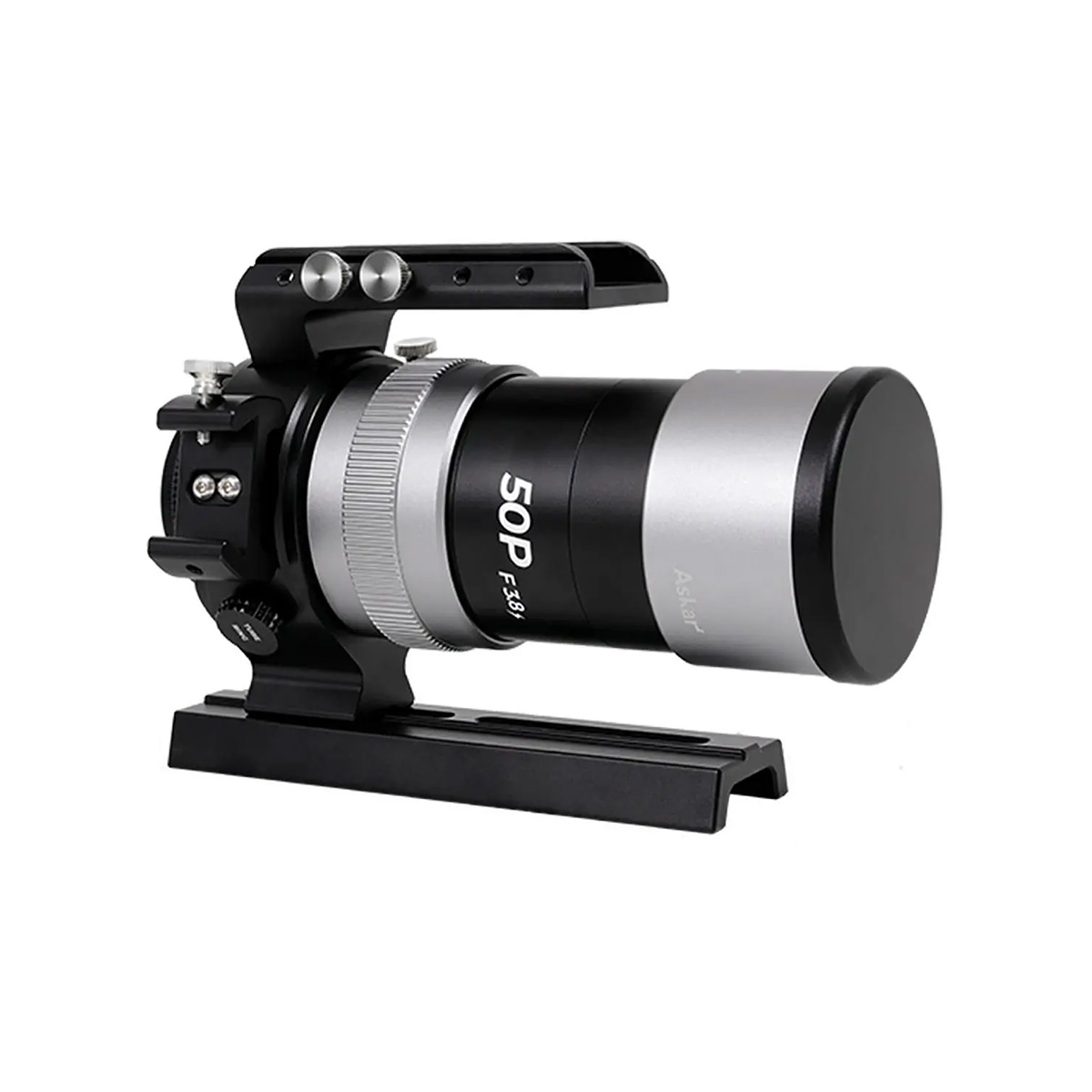
The Askar 50P is a tiny, ultra-fast astrograph built for huge swaths of sky. The Askar 50P pairs a 50mm aperture with a very short 190mm focal length and fast f/3.8 optics, making it a great choice for large nebulae, Milky Way regions, and other sweeping deep-sky targets.
- Highly affordable price point for a Petzval astrograph
- Ultra-wide 190mm focal length fits huge targets in a single frame
- Fast f/3.8 optics help collect signal quickly
- Built-in field correction means no separate flattener is required
- Compact and lightweight for portable imaging rigs
- Too wide for detailed images of deep-sky targets
- 50mm aperture provides less resolution than larger refractors
- Only compatible with cameras with up to APS-C sized sensors
Sky-Watcher Heritage 150 f/5 Tabletop Dobsonian Telescope
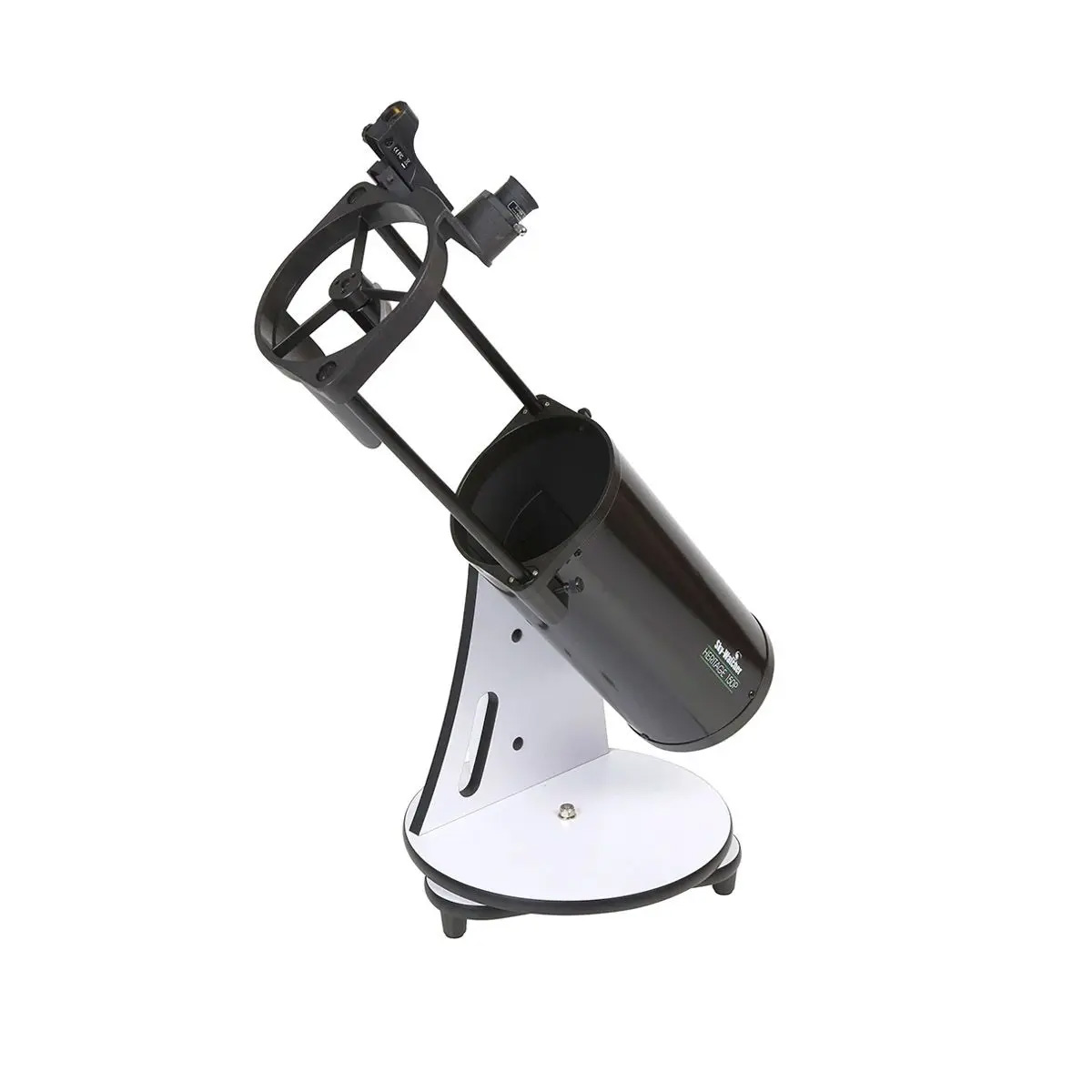
The Heritage 150 hits a sweet spot for beginners: it’s easy to get started with, affordable enough to feel approachable, and capable enough to remain useful long after your first few observing sessions.
- Excellent 150mm aperture for the price
- Extremely simple and intuitive for first-time telescope owners
- Great views of both planets and brighter deep-sky objects
- Collapsible design makes a 6-inch telescope surprisingly portable
- Includes two eyepieces and a red-dot finder to get started
- Requires a sturdy table or other elevated surface for comfortable viewing
- Manual mount does not automatically find or track objects
- Reflector optics require occasional collimation
Sky-Watcher Virtuoso Gti 150p GoTo Tabletop Dobsonian Telescope
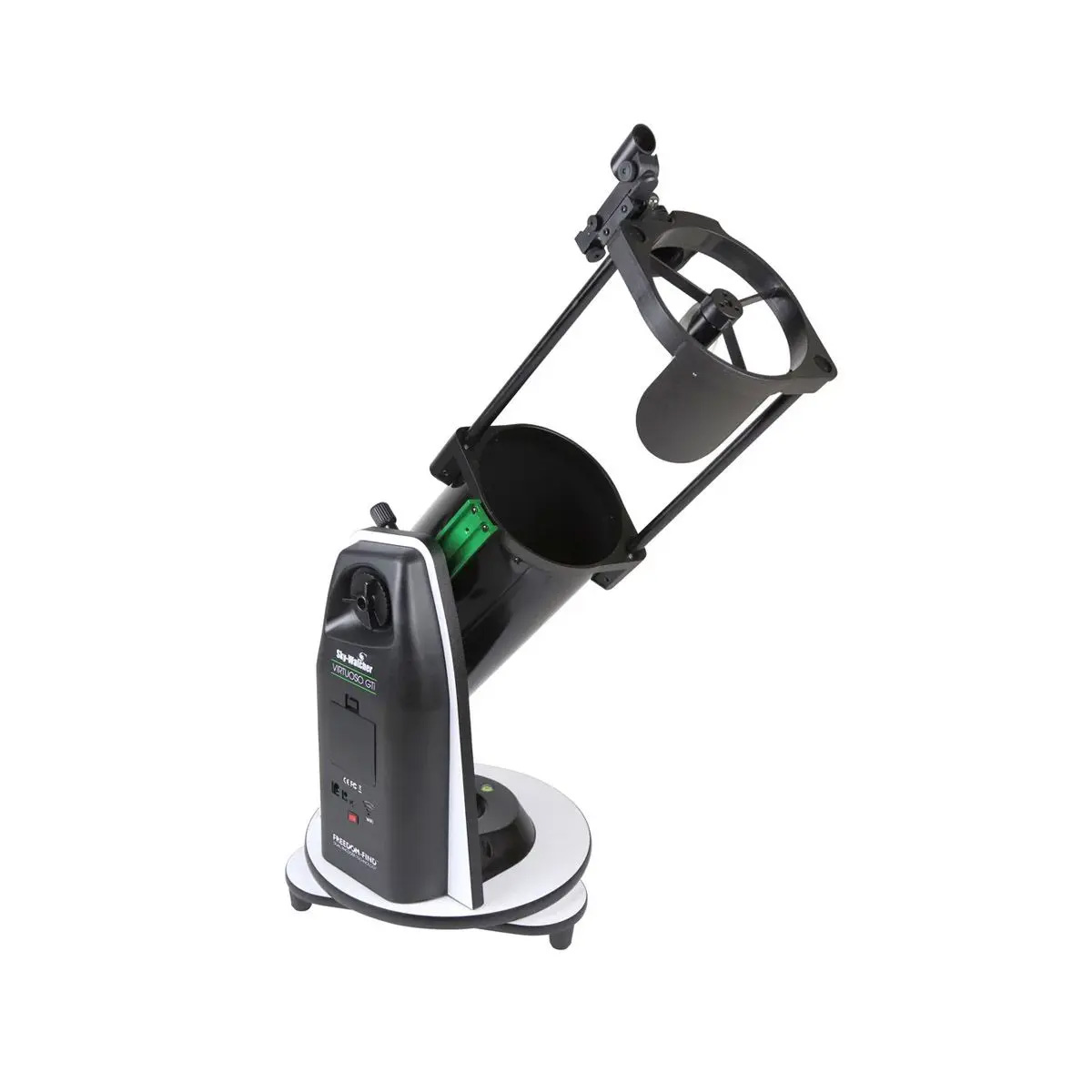
The Virtuoso GTi 150P is a great choice for observers who want the simplicity of a tabletop Dobsonian with some help navigating the sky. Its GoTo system can automatically find and track targets, while its 6-inch aperture gives you plenty to explore.
- GoTo makes thousands of objects much easier to find
- 150mm aperture delivers excellent views for its compact size
- Automatically keeps objects centered once they’re located
- Can still be moved manually without losing alignment
- Includes 25mm and 10mm eyepieces plus a red-dot finder
- Requires a sturdy table or other elevated surface for comfortable viewing
- Initial alignment adds a few steps before observing
- Reflector optics require occasional collimation
Sky-Watcher 8" Classic Dobsonian Telescope
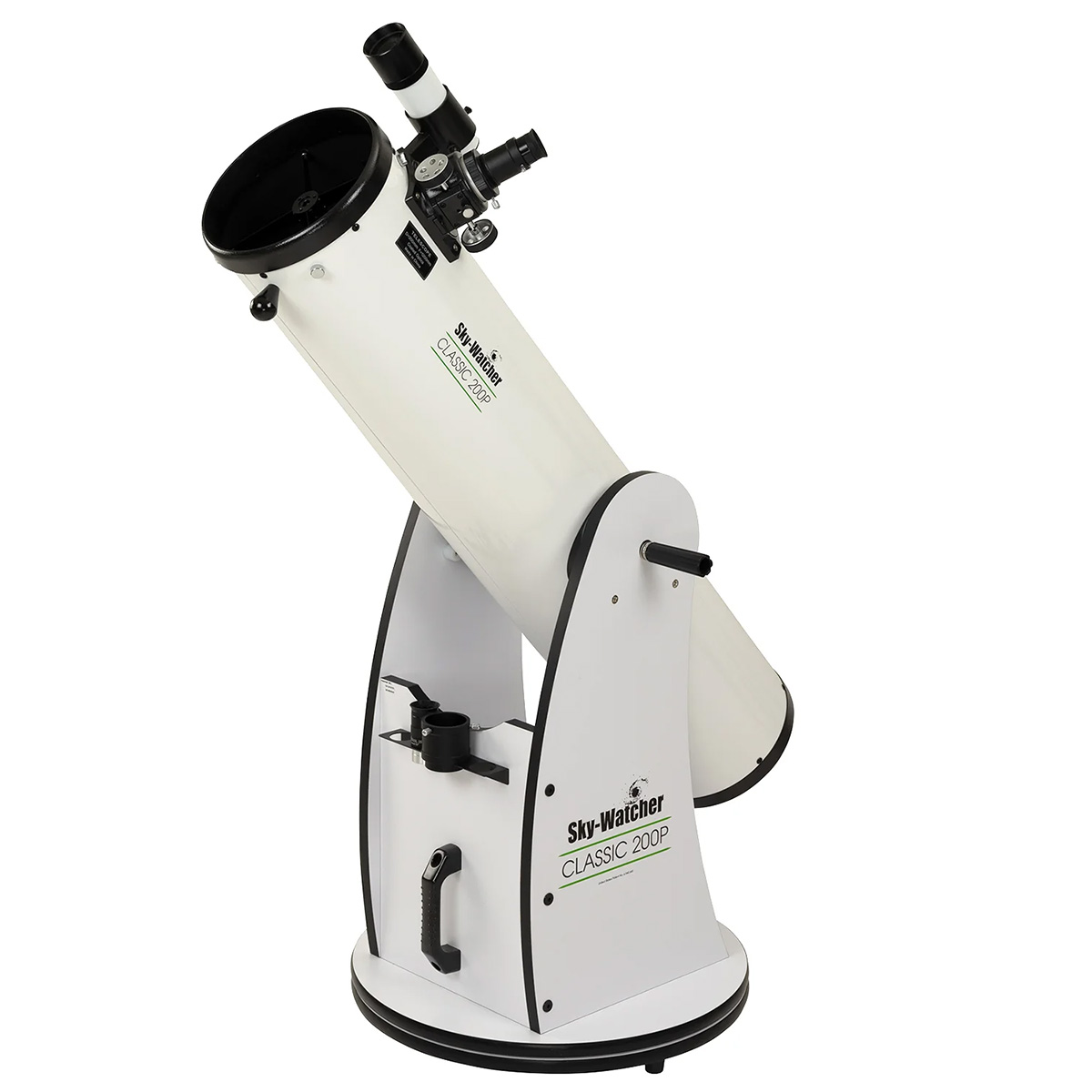
For observers who want to move beyond a tabletop scope, the Sky-Watcher 8" Classic hits one of the best sweet spots in visual astronomy. Its 8-inch aperture gathers enough light to make deep-sky observing far more rewarding, while the simple manual Dobsonian design keeps the experience straightforward and affordable.
- 8-inch aperture is a major step up for deep-sky observing
- Excellent balance of aperture, price, and manageable size
- Simple manual design is easy to use and highly reliable
- Includes two eyepieces and a 9x50 finderscope
- 2" focuser supports a wide range of future eyepiece upgrades
- Manual mount does not automatically find or track objects
- 45 lb combined weight makes for a bulky telescope
- Reflector optics require occasional collimation
Celestron NexStar 8SE Telescope — Advanced Bundle with PowerTank & Eyepiece Set
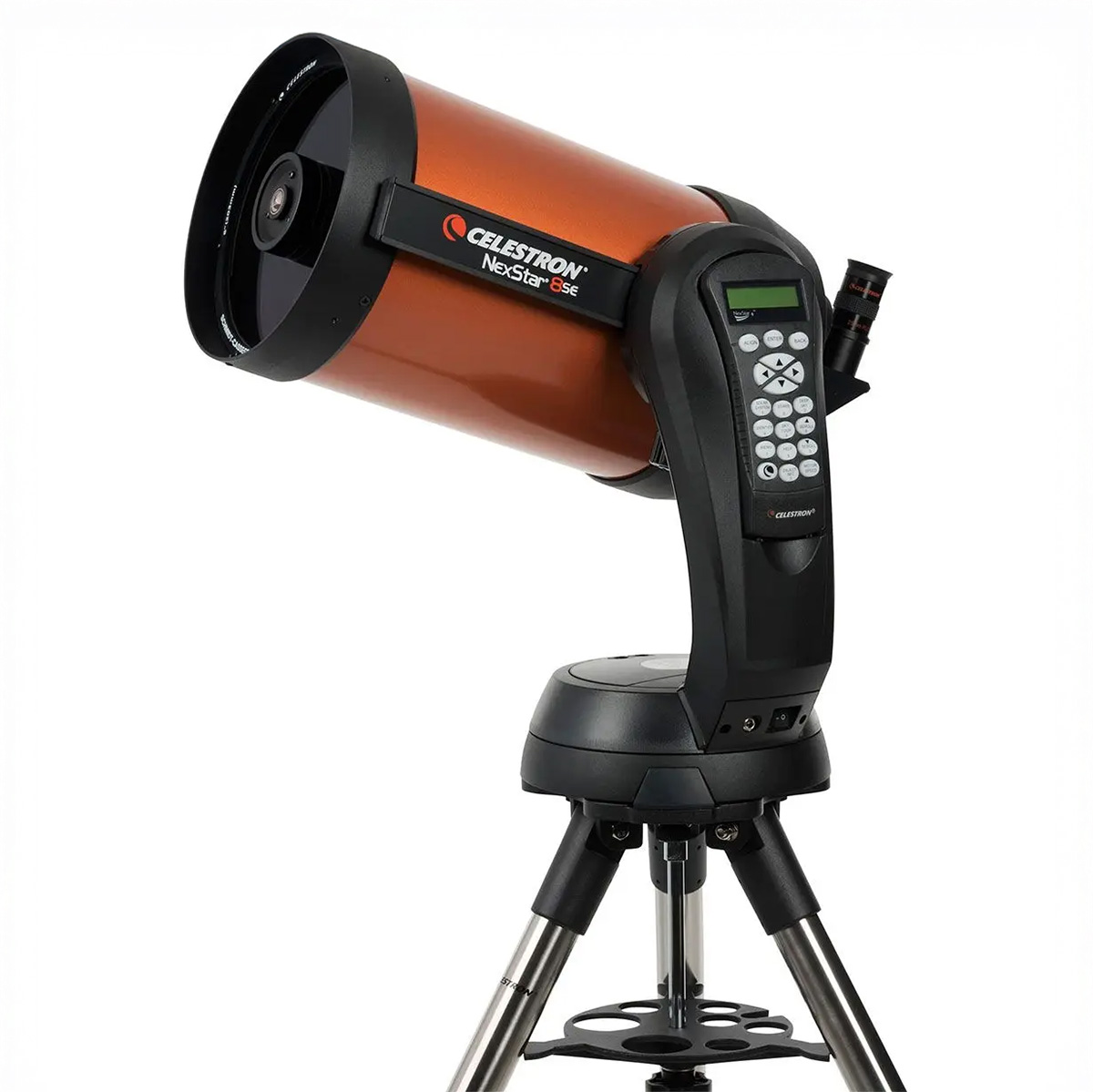
The NexStar 8SE is a great choice for observers who want serious visual capability with the convenience of a computerized telescope. Its 8-inch aperture gives you plenty to explore, while the compact design and automatic object finding make a large telescope much easier to live with.
- Excellent 8-inch aperture for planets and deep-sky objects
- GoTo makes thousands of objects easier to find and track
- Compact tube packs substantial aperture into a portable size
- Our Advanced Bundle includes extra eyepieces, filters, and portable power
- Large accessory ecosystem makes it easy to expand over time
- Costs more than a comparable-aperture manual Dobsonian
- Not intended for serious long-exposure deep-sky imaging
Sky-Watcher Heliostar 76Ha H-Alpha Solar Telescope
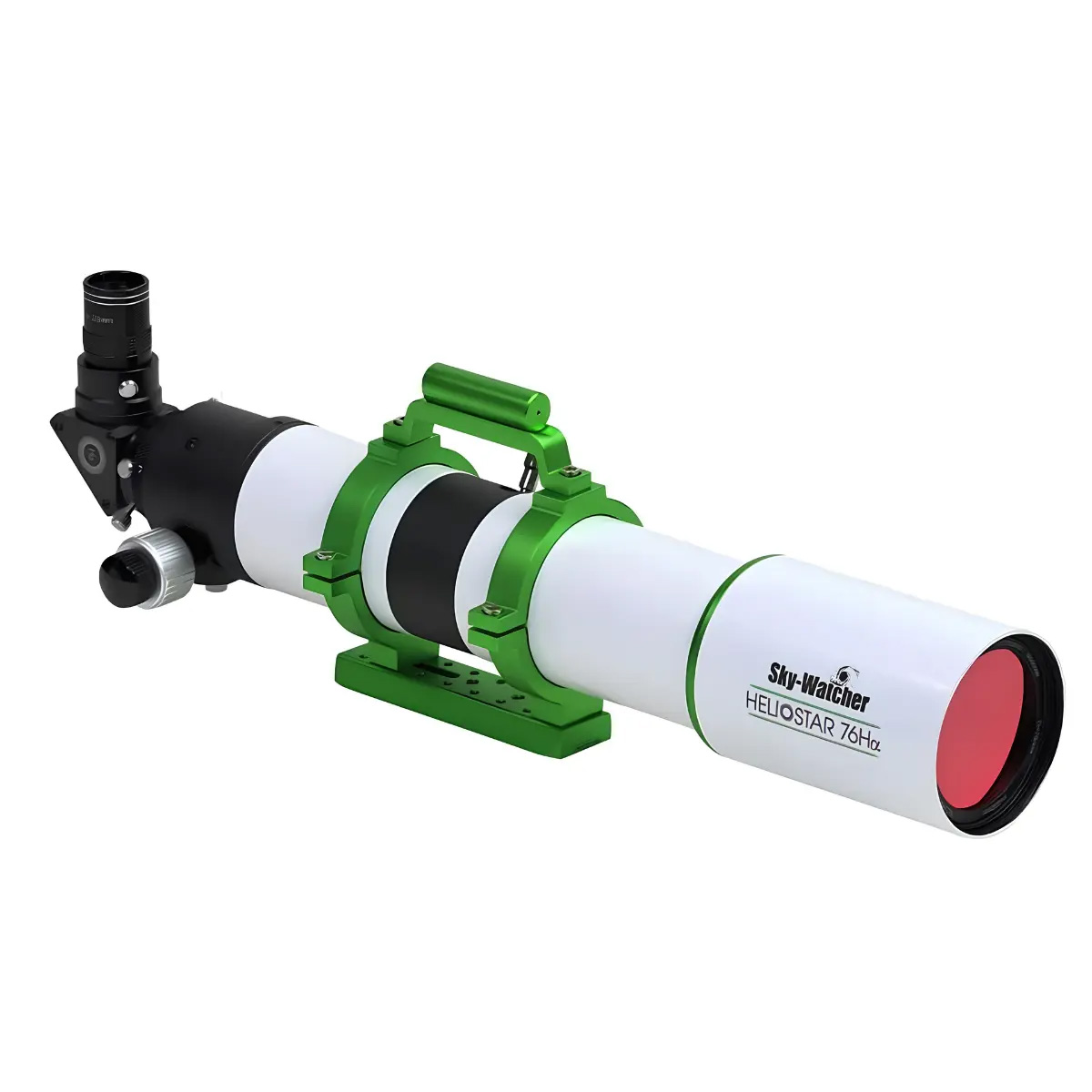
The Heliostar 76Ha turns the Sun into a surprisingly dynamic observing target, revealing prominences, filaments, active regions, and fine surface detail that simply aren’t visible through a traditional white-light solar filter. Its combination of impressive H-alpha performance and a relatively portable 76mm design makes it our favorite dedicated solar telescope for 2027.
- Excellent contrast on prominences, filaments, and solar surface detail
- 76mm aperture provides impressive resolution without becoming cumbersome
- Includes eyepiece, solar finder, smartphone adapter, sunshade, and case
- Suitable for both visual solar observing and imaging
- Relatively lightweight at just 8.4 lb
- Significantly more expensive than basic white-light solar observing
- Dedicated exclusively to observing and imaging the Sun
- Mount is sold separately or as a bundle
Still Not Sure Which Telescope Is Right for You?
There’s no single telescope that’s best for every astronomer. The right choice depends on what you want to see or photograph, how portable you need your setup to be, and how hands-on you want the experience to be.
At Agena Astro, we carry more than 400 telescope models for every experience level, giving you the largest variety of in-stock telescopes in North America to choose from. Our telescopes range from Beginner Telescopes, Smart Telescopes, Astrophotography Telescopes, Refractor Telescopes, Dobsonian Telescopes, Solar Telescopes, and more, with options across a wide range of budgets and goals.
Still not sure which one is best for you? Our team helps astronomers of all experience levels choose telescopes and build complete observing and imaging setups, and we’re always happy to help you narrow down the right option for your goals and budget.
The Askar 71F weighs only 6.6 lbs (3 kg), so it is easily carried by most mounts! Some of the most popular mount choices in that price range include the ZWO AM3N and Sky-Watcher EQ-AL55i. Both would be an excellent match for that scope and leave you breathing room with your payload capacity to add accessories like an astro camera, reducer, guide scope, and more. Hope this helps!
Clear skies,
— The Agena Astro Team
I mean does a William Optics RedCat 91 Petzval Refractor really stack up against a Tele Vue NP127is petval?? Maybe in price but, … Curious
Thanks for your note! Not all of the telescopes in this list are new to 2025—many have been around for years and continue to perform exceptionally well. A great example is the Sky-Watcher Dobsonian line, which remains a top choice for visual observers.
The William Optics RedCat 91, for instance, stands out because it combines strong optical performance with features modern astrophotographers really value—like an internal focuser, included tube rings and dovetail plate, EAF compatibility, and consistently excellent user feedback. Those factors helped it earn a spot in this article.
Of course, “best” is always somewhat subjective, and there are many outstanding telescopes we couldn’t include. This list reflects a balance of performance, features, and overall user experience.
Clear skies,
— The Agena Astro Team