

ToupTek G3M678M Planetary Monochrome Astronomy Camera - Extended Length Version

Stock count is accurate & shown in real time.
- This item is out of stock.
- Sign up for back-in-stock alerts to be notified when this item becomes available (account login required).
- This item is out of stock.
- Sign up for back-in-stock alerts to be notified when this item becomes available (account login required).
Contiguous US / Lower 48:
Free shipping applies to orders over $50 using our chosen carrier/method. Faster paid options are available at checkout.
Alaska, Hawaii & US Territories:
Free shipping applies to many—but not all—products. Enter your ZIP code in cart or upon checkout to confirm options and costs.
International:
International orders do not qualify for free shipping. Shipping, duties, brokerage, tariffs, and taxes are the customer’s responsibility. Some items may be restricted due to export, size, or manufacturer limitations.
- Sony IMX678 mono CMOS sensor with STARVIS 2 technology for sharp, detailed planetary imaging
- High-speed USB 3.0 performance with up to 1500+ FPS in ROI mode
- AR (Anti-Reflection) protective glass to maximize light transmission
- Extended-length is specifically desgined for compatibility with Off-Axis Guiders (OAGs). The shorter flange distance provides more back-focus adjustment space, making it much easier to achieve focus across a broader range of OAG
ToupTek G3M Series Planetary Cameras
The planetary and guiding camera G3M678M adopts SONY STARVIS 2 and Exmor R back-illuminated technologies, making it ideal for high-resolution astronomical photography, auto-guiding, and microscopy. Featuring an extremely low readout noise, high sensitivity, and a 12-bit ADC, the G3M678M delivers exceptional deep-sky, lunar, and planetary detail. By eliminating the Bayer color filter array, this monochrome sensor achieves 100% pixel utilization for maximum resolution and sharpness. The camera also includes a high-transmission AR-coated protective window to ensure maximum light throughput across the entire spectral range.
Sony STARVIS & Exmor R Technology
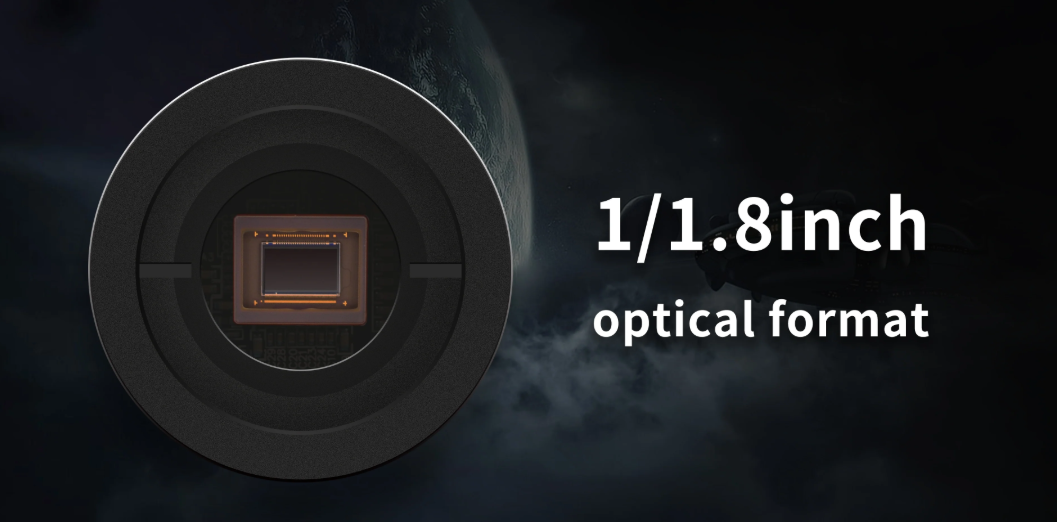
The G3M678M incorporates Sony's STARVIS 2 image sensor technology in monochrome configuration, delivering a broader photosensitivity range and superior dynamic performance. STARVIS 2 enhances infrared-band imaging capabilities in low-light environments, featuring significantly reduced dark current and lower readout noise. It maintains high SNR (Signal-to-Noise Ratio) and exceptional clarity even when capturing high-contrast subjects.

DDR3 High-Speed Buffer
Equipped with a USB 3.0 high-speed interface and 512MB DDR3 high-speed buffer, this camera significantly reduces amp-glow caused by image data buffering. The advanced buffer system ensures stable and smooth data transmission for uninterrupted imaging sessions.
OAG Compatibility
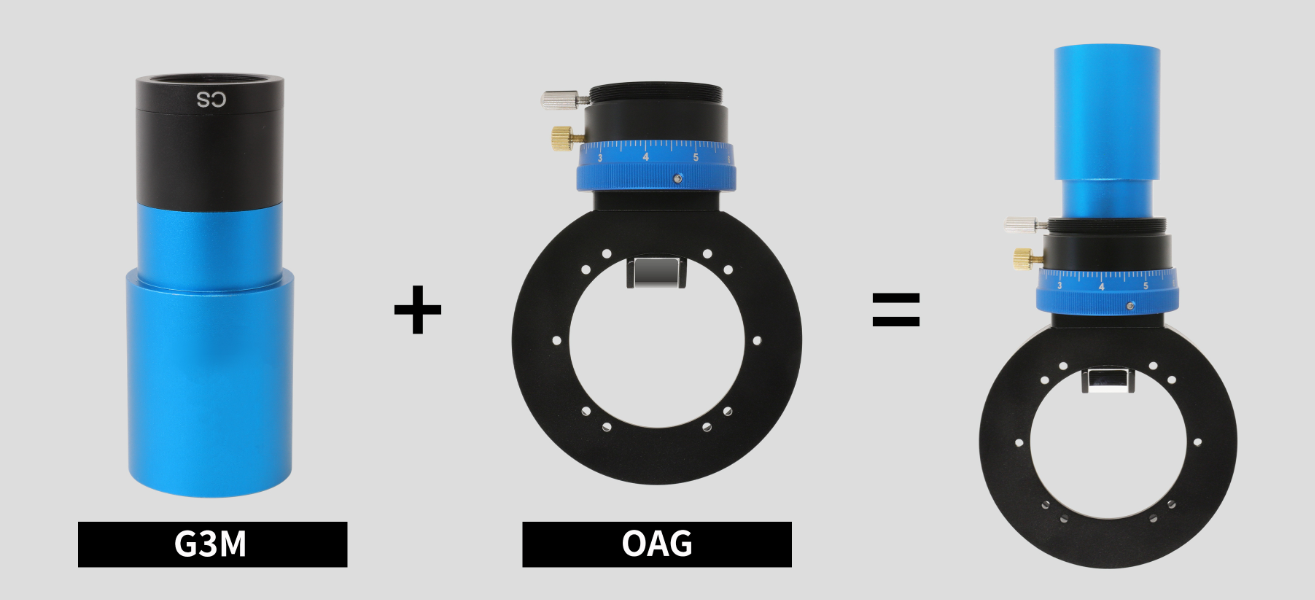
The extended-length version supports OAGs from third-party brands ( when used with a guide camera). It's elongated design provides greater adjustable range while maintaining the original sensor flange distance.
High-Efficiency Near-Infrared Imaging
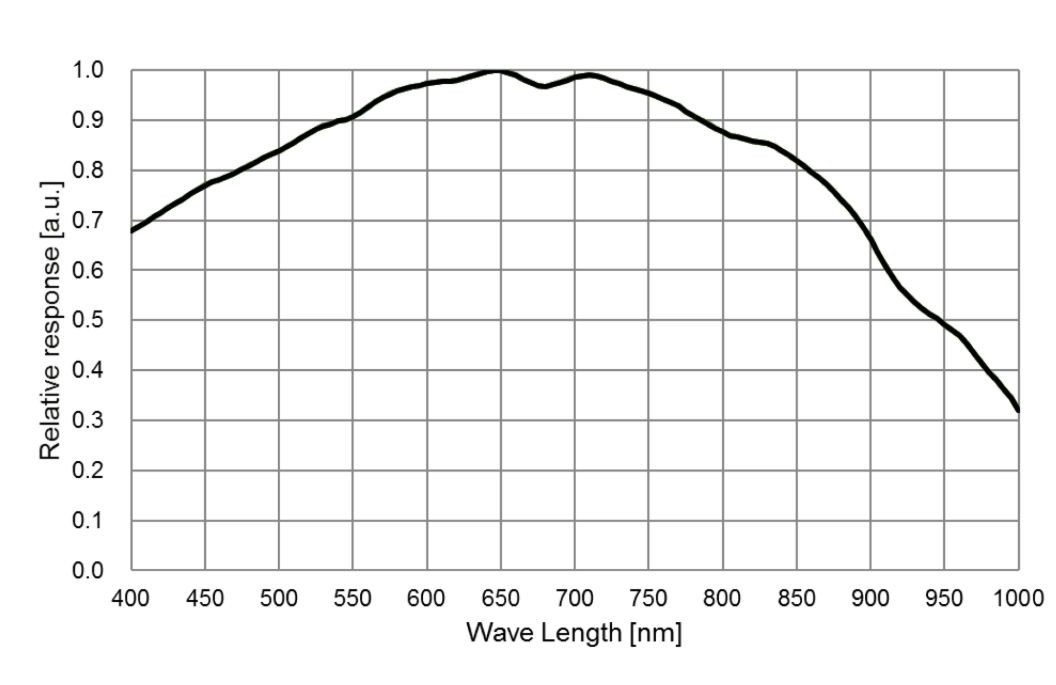
The G3M678M's monochrome sensor exhibits exceptional sensitivity in the near-infrared (NIR) band, significantly enhancing the texture and detail rendition of planets. Without the color filter array limitations, the monochrome sensor captures maximum photons across all wavelengths.
- When paired with an 850nm IR-pass filter or 890nm methane filter, the G3M678M enables targeted imaging of Jupiter and Saturn, revealing atmospheric details invisible in visible light with maximum clarity.
- NIR imaging offers higher stability and greater resistance to atmospheric seeing disturbances, ideal for capturing the Sun, lunar surface, and other celestial bodies with unprecedented detail.
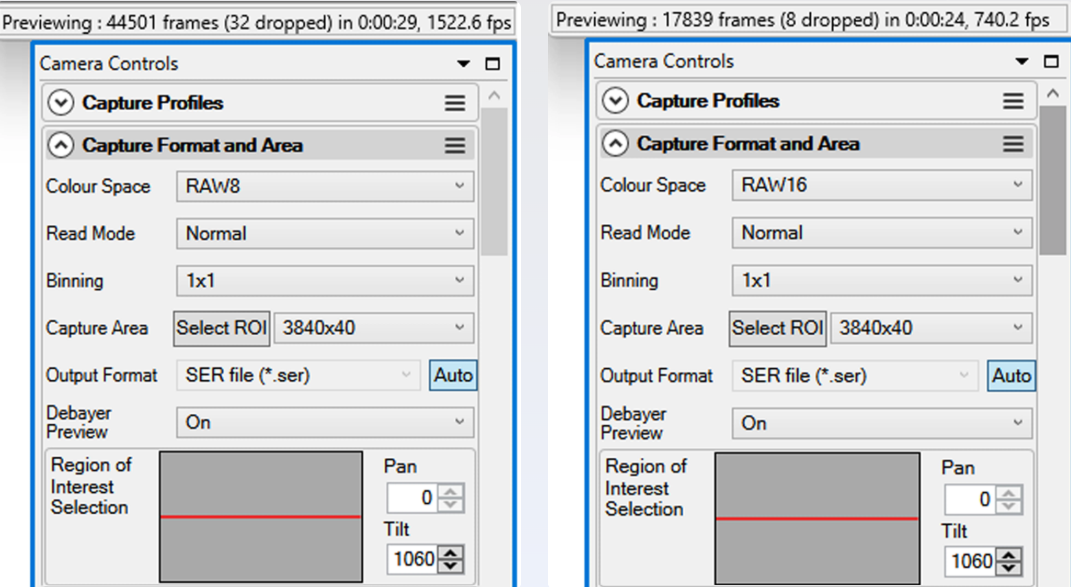
ROI High Frame Rate Imaging
The G3M678M features a USB 3.0 high-speed interface with upgraded drivers that deliver exceptional frame rate performance in ROI mode, meeting precision requirements for diverse observation scenarios. *Note: At ultra-high frame rates (≥1500fps), dropped frame probability may vary depending on the user's video capture hardware. When using performance-limited capture devices, 740fps in 16-bit mode is recommended.
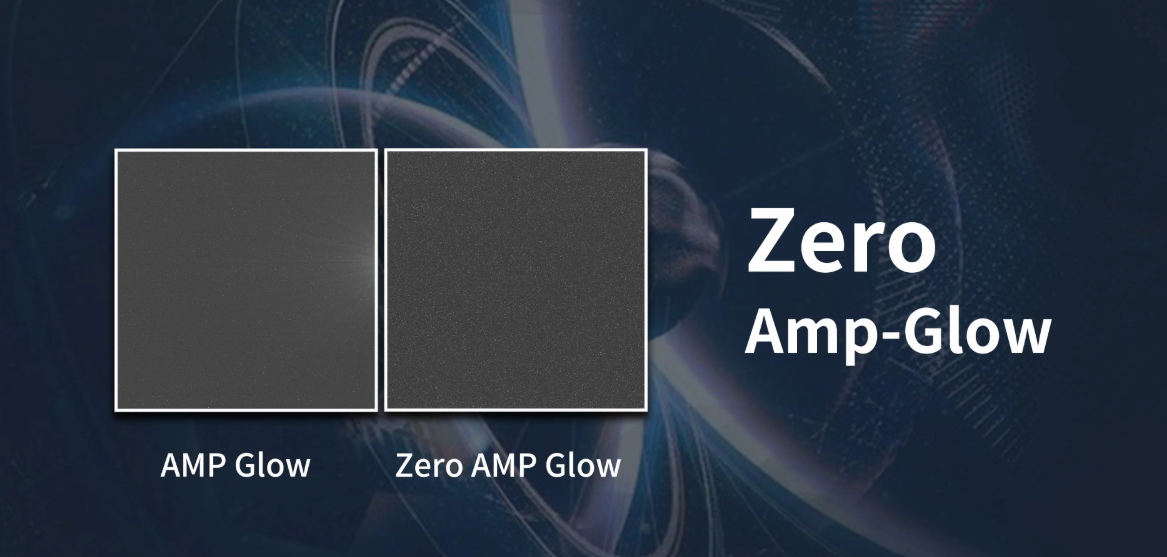
Zero Amp-Glow Technology
The G3M678M achieves "zero amp-glow" at the hardware level. Whether under long exposure or high gain settings, your resulting images remain pristine and clean, free from unwanted thermal artifacts.
Specifications
-
Sensor Model: Sony IMX678 Monochrome Back-Illuminated CMOS (STARVIS 2 Technology)
-
Sensor Size: 1/1.8-inch (8.92 mm / 0.35 in diagonal)
-
Image Area: 7.68 mm x 4.32 mm (0.30 in x 0.17 in)
-
Resolution: 8.3 Megapixels (3840 x 2160)
-
Pixel Size: 2.0um x 2.0um
-
ADC Bit Depth: 12-bit
-
Quantum Efficiency: > 83% Peak
-
Full Well Capacity: 10.0ke-
-
Read Noise: 0.60 e- (HCG mode) to 4.30 e- (LCG mode)
-
Dynamic Range: 78.0 dB (HDR mode)
-
SNR Max: 41.2 dB
-
G Sensitivity: 11467 mv with 1/30s
-
Spectral Range: 380-1100 nm (with AR-window)
-
Maximum Frame Rate (12-bit Output via USB 3.0): 43 FPS @ 3840 x 2160
-
Maximum Frame Rate (8-bit ROI Capture Mode): 1500+ FPS @ 3840 x 40
-
Exposure Time Range: 0.1 ms - 1000 s
-
Gain Range: 1x - 150x
-
Shutter Type: Rolling Shutter
-
Data Interface: USB 3.0 / USB 2.0 (with ST4 Guide Port and 512MB DDR3 Buffer)
-
Back Focus Distance: 12.5 mm (0.49 in) with CS adapter
-
Camera Dimensions: 37 mm Diameter x 72.4 mm Height (1.46 in Diameter x 2.85 in Height)
-
Weight: 70 g (2.47 oz)
-
Supported OS: Windows XP/Vista/7/8/10/11, Mac OS X, Linux
-
SDK Support: Native C/C++, C#/VB.NET, Python, Java, DirectShow, Twain
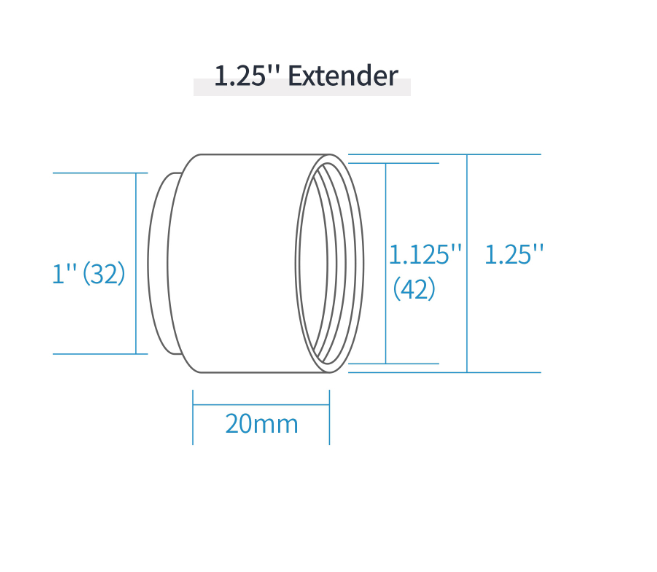
Mechanical Diagrams
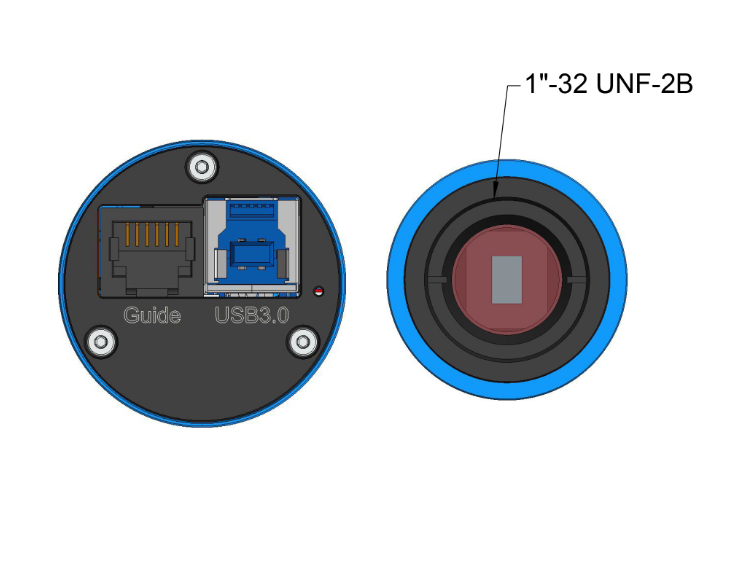
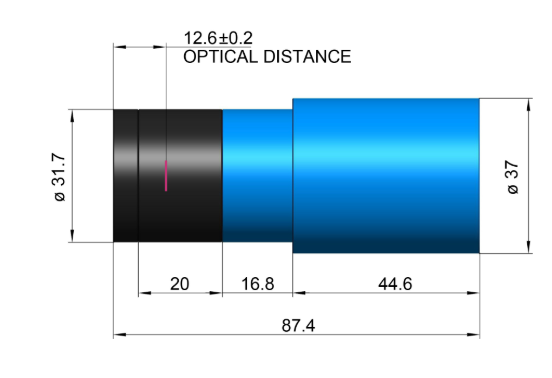
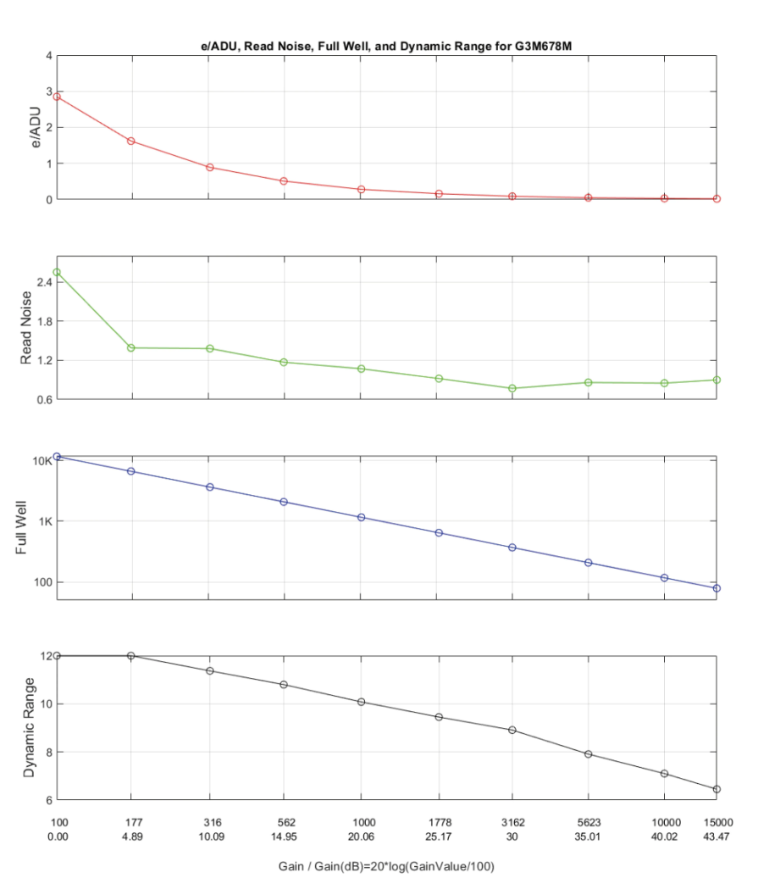
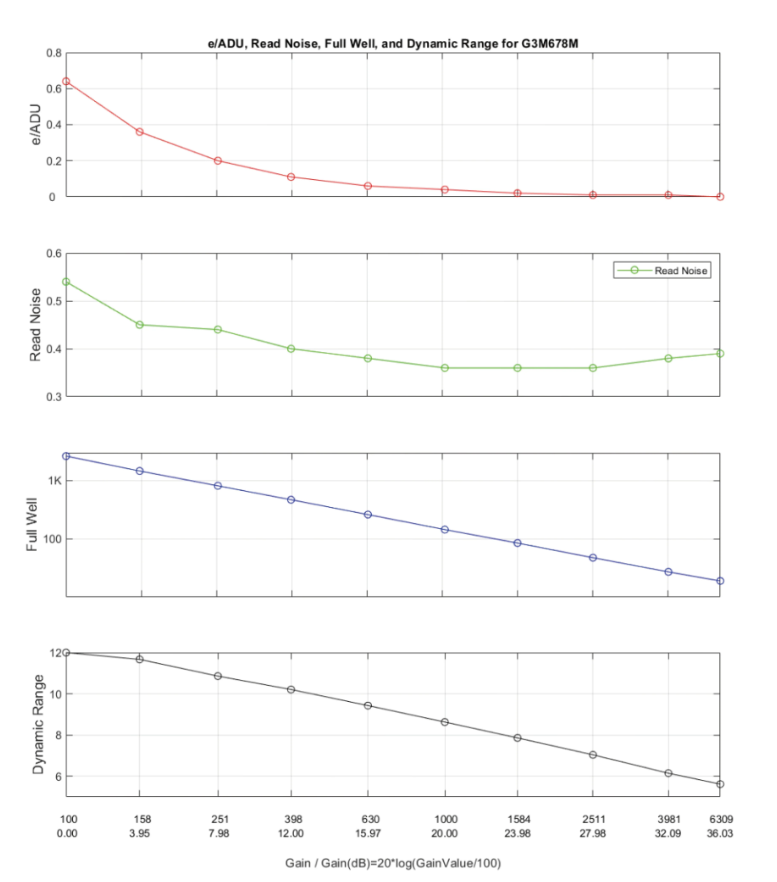
Performance Curve Analysis
Other Information
- Country of Manufacture: China
ToupTek G3M Series Planetary Cameras
The planetary and guiding camera G3M678M adopts SONY STARVIS 2 and Exmor R back-illuminated technologies, making it ideal for high-resolution astronomical photography, auto-guiding, and microscopy. Featuring an extremely low readout noise, high sensitivity, and a 12-bit ADC, the G3M678M delivers exceptional deep-sky, lunar, and planetary detail. By eliminating the Bayer color filter array, this monochrome sensor achieves 100% pixel utilization for maximum resolution and sharpness. The camera also includes a high-transmission AR-coated protective window to ensure maximum light throughput across the entire spectral range.
Sony STARVIS & Exmor R Technology
The G3M678M incorporates Sony's STARVIS 2 image sensor technology in monochrome configuration, delivering a broader photosensitivity range and superior dynamic performance. STARVIS 2 enhances infrared-band imaging capabilities in low-light environments, featuring significantly reduced dark current and lower readout noise. It maintains high SNR (Signal-to-Noise Ratio) and exceptional clarity even when capturing high-contrast subjects.
DDR3 High-Speed Buffer
Equipped with a USB 3.0 high-speed interface and 512MB DDR3 high-speed buffer, this camera significantly reduces amp-glow caused by image data buffering. The advanced buffer system ensures stable and smooth data transmission for uninterrupted imaging sessions.
OAG Compatibility
The extended-length version supports OAGs from third-party brands ( when used with a guide camera). It's elongated design provides greater adjustable range while maintaining the original sensor flange distance.
High-Efficiency Near-Infrared Imaging
The G3M678M's monochrome sensor exhibits exceptional sensitivity in the near-infrared (NIR) band, significantly enhancing the texture and detail rendition of planets. Without the color filter array limitations, the monochrome sensor captures maximum photons across all wavelengths.
- When paired with an 850nm IR-pass filter or 890nm methane filter, the G3M678M enables targeted imaging of Jupiter and Saturn, revealing atmospheric details invisible in visible light with maximum clarity.
- NIR imaging offers higher stability and greater resistance to atmospheric seeing disturbances, ideal for capturing the Sun, lunar surface, and other celestial bodies with unprecedented detail.
ROI High Frame Rate Imaging
The G3M678M features a USB 3.0 high-speed interface with upgraded drivers that deliver exceptional frame rate performance in ROI mode, meeting precision requirements for diverse observation scenarios. *Note: At ultra-high frame rates (≥1500fps), dropped frame probability may vary depending on the user's video capture hardware. When using performance-limited capture devices, 740fps in 16-bit mode is recommended.
Zero Amp-Glow Technology
The G3M678M achieves "zero amp-glow" at the hardware level. Whether under long exposure or high gain settings, your resulting images remain pristine and clean, free from unwanted thermal artifacts.
Specifications
-
Sensor Model: Sony IMX678 Monochrome Back-Illuminated CMOS (STARVIS 2 Technology)
-
Sensor Size: 1/1.8-inch (8.92 mm / 0.35 in diagonal)
-
Image Area: 7.68 mm x 4.32 mm (0.30 in x 0.17 in)
-
Resolution: 8.3 Megapixels (3840 x 2160)
-
Pixel Size: 2.0um x 2.0um
-
ADC Bit Depth: 12-bit
-
Quantum Efficiency: > 83% Peak
-
Full Well Capacity: 10.0ke-
-
Read Noise: 0.60 e- (HCG mode) to 4.30 e- (LCG mode)
-
Dynamic Range: 78.0 dB (HDR mode)
-
SNR Max: 41.2 dB
-
G Sensitivity: 11467 mv with 1/30s
-
Spectral Range: 380-1100 nm (with AR-window)
-
Maximum Frame Rate (12-bit Output via USB 3.0): 43 FPS @ 3840 x 2160
-
Maximum Frame Rate (8-bit ROI Capture Mode): 1500+ FPS @ 3840 x 40
-
Exposure Time Range: 0.1 ms - 1000 s
-
Gain Range: 1x - 150x
-
Shutter Type: Rolling Shutter
-
Data Interface: USB 3.0 / USB 2.0 (with ST4 Guide Port and 512MB DDR3 Buffer)
-
Back Focus Distance: 12.5 mm (0.49 in) with CS adapter
-
Camera Dimensions: 37 mm Diameter x 72.4 mm Height (1.46 in Diameter x 2.85 in Height)
-
Weight: 70 g (2.47 oz)
-
Supported OS: Windows XP/Vista/7/8/10/11, Mac OS X, Linux
-
SDK Support: Native C/C++, C#/VB.NET, Python, Java, DirectShow, Twain
Mechanical Diagrams
Performance Curve Analysis
- 1x Camera Body
- 1x USB 3.0 Data Cable (2m, Type-A to Type-B)
- 1x ST4 Guide Cable (2m)
- 1x 1.25" Nosepiece
- 1x Quick Start Guide
- Sony IMX678 mono CMOS sensor with STARVIS 2 technology for sharp, detailed planetary imaging
- High-speed USB 3.0 performance with up to 1500+ FPS in ROI mode
- AR (Anti-Reflection) protective glass to maximize light transmission
- Extended-length is specifically desgined for compatibility with Off-Axis Guiders (OAGs). The shorter flange distance provides more back-focus adjustment space, making it much easier to achieve focus across a broader range of OAG
ToupTek G3M Series Planetary Cameras
The planetary and guiding camera G3M678M adopts SONY STARVIS 2 and Exmor R back-illuminated technologies, making it ideal for high-resolution astronomical photography, auto-guiding, and microscopy. Featuring an extremely low readout noise, high sensitivity, and a 12-bit ADC, the G3M678M delivers exceptional deep-sky, lunar, and planetary detail. By eliminating the Bayer color filter array, this monochrome sensor achieves 100% pixel utilization for maximum resolution and sharpness. The camera also includes a high-transmission AR-coated protective window to ensure maximum light throughput across the entire spectral range.
Sony STARVIS & Exmor R Technology
The G3M678M incorporates Sony's STARVIS 2 image sensor technology in monochrome configuration, delivering a broader photosensitivity range and superior dynamic performance. STARVIS 2 enhances infrared-band imaging capabilities in low-light environments, featuring significantly reduced dark current and lower readout noise. It maintains high SNR (Signal-to-Noise Ratio) and exceptional clarity even when capturing high-contrast subjects.
DDR3 High-Speed Buffer
Equipped with a USB 3.0 high-speed interface and 512MB DDR3 high-speed buffer, this camera significantly reduces amp-glow caused by image data buffering. The advanced buffer system ensures stable and smooth data transmission for uninterrupted imaging sessions.
OAG Compatibility
The extended-length version supports OAGs from third-party brands ( when used with a guide camera). It's elongated design provides greater adjustable range while maintaining the original sensor flange distance.
High-Efficiency Near-Infrared Imaging
The G3M678M's monochrome sensor exhibits exceptional sensitivity in the near-infrared (NIR) band, significantly enhancing the texture and detail rendition of planets. Without the color filter array limitations, the monochrome sensor captures maximum photons across all wavelengths.
- When paired with an 850nm IR-pass filter or 890nm methane filter, the G3M678M enables targeted imaging of Jupiter and Saturn, revealing atmospheric details invisible in visible light with maximum clarity.
- NIR imaging offers higher stability and greater resistance to atmospheric seeing disturbances, ideal for capturing the Sun, lunar surface, and other celestial bodies with unprecedented detail.
ROI High Frame Rate Imaging
The G3M678M features a USB 3.0 high-speed interface with upgraded drivers that deliver exceptional frame rate performance in ROI mode, meeting precision requirements for diverse observation scenarios. *Note: At ultra-high frame rates (≥1500fps), dropped frame probability may vary depending on the user's video capture hardware. When using performance-limited capture devices, 740fps in 16-bit mode is recommended.
Zero Amp-Glow Technology
The G3M678M achieves "zero amp-glow" at the hardware level. Whether under long exposure or high gain settings, your resulting images remain pristine and clean, free from unwanted thermal artifacts.
Specifications
-
Sensor Model: Sony IMX678 Monochrome Back-Illuminated CMOS (STARVIS 2 Technology)
-
Sensor Size: 1/1.8-inch (8.92 mm / 0.35 in diagonal)
-
Image Area: 7.68 mm x 4.32 mm (0.30 in x 0.17 in)
-
Resolution: 8.3 Megapixels (3840 x 2160)
-
Pixel Size: 2.0um x 2.0um
-
ADC Bit Depth: 12-bit
-
Quantum Efficiency: > 83% Peak
-
Full Well Capacity: 10.0ke-
-
Read Noise: 0.60 e- (HCG mode) to 4.30 e- (LCG mode)
-
Dynamic Range: 78.0 dB (HDR mode)
-
SNR Max: 41.2 dB
-
G Sensitivity: 11467 mv with 1/30s
-
Spectral Range: 380-1100 nm (with AR-window)
-
Maximum Frame Rate (12-bit Output via USB 3.0): 43 FPS @ 3840 x 2160
-
Maximum Frame Rate (8-bit ROI Capture Mode): 1500+ FPS @ 3840 x 40
-
Exposure Time Range: 0.1 ms - 1000 s
-
Gain Range: 1x - 150x
-
Shutter Type: Rolling Shutter
-
Data Interface: USB 3.0 / USB 2.0 (with ST4 Guide Port and 512MB DDR3 Buffer)
-
Back Focus Distance: 12.5 mm (0.49 in) with CS adapter
-
Camera Dimensions: 37 mm Diameter x 72.4 mm Height (1.46 in Diameter x 2.85 in Height)
-
Weight: 70 g (2.47 oz)
-
Supported OS: Windows XP/Vista/7/8/10/11, Mac OS X, Linux
-
SDK Support: Native C/C++, C#/VB.NET, Python, Java, DirectShow, Twain
Mechanical Diagrams
Performance Curve Analysis
Other Information
- Country of Manufacture: China
- 1x Camera Body
- 1x USB 3.0 Data Cable (2m, Type-A to Type-B)
- 1x ST4 Guide Cable (2m)
- 1x 1.25" Nosepiece
- 1x Quick Start Guide

ToupTek G3M678M Planetary Monochrome Astronomy Camera - Extended Length Version