



From capturing star trails and stunning Milky Way landscapes to imaging planets and deep space objects like nebulae and galaxies, there are many aspects of astrophotography to discover! Astronomy gear can often be overwhelming to a beginner, and there is no one-size-fits-all solution. Thankfully, choosing the right equipment doesn’t have to be hard. We’ve made understanding astrophotography cameras and accessories easier to help you choose the right gear for your needs.
Looking for some quick gear recommendations, but have questions and aren't sure where to start? Our blog, Beginner Astrophotography Gear: Best Telescopes, Mounts, & Cameras to Start With, is the perfect place to begin.
Astrophotography Cameras
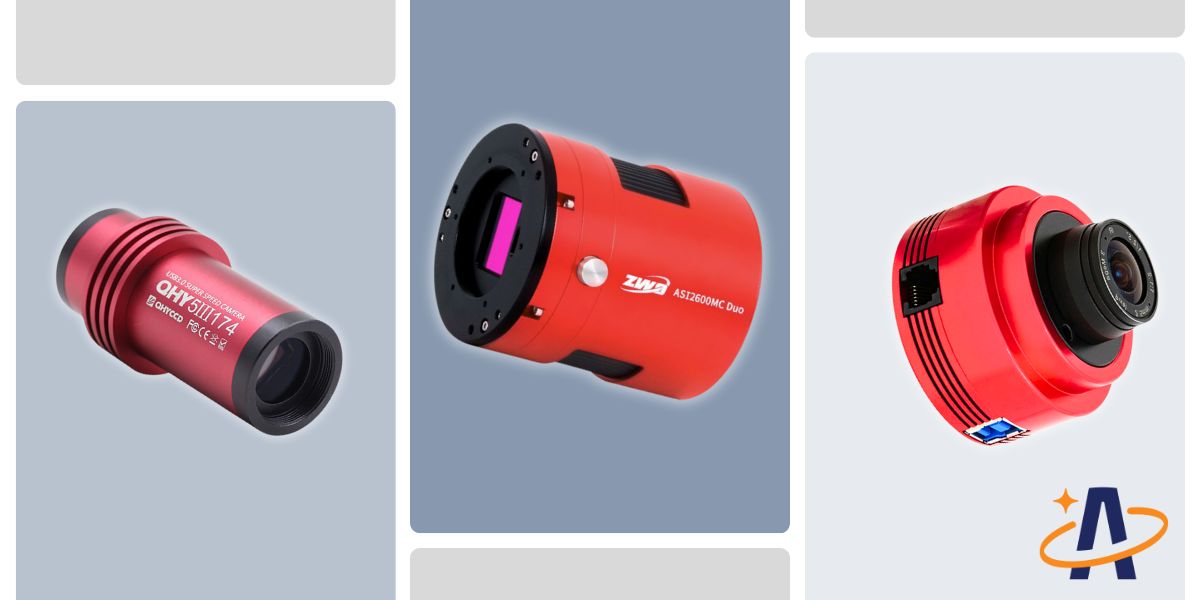

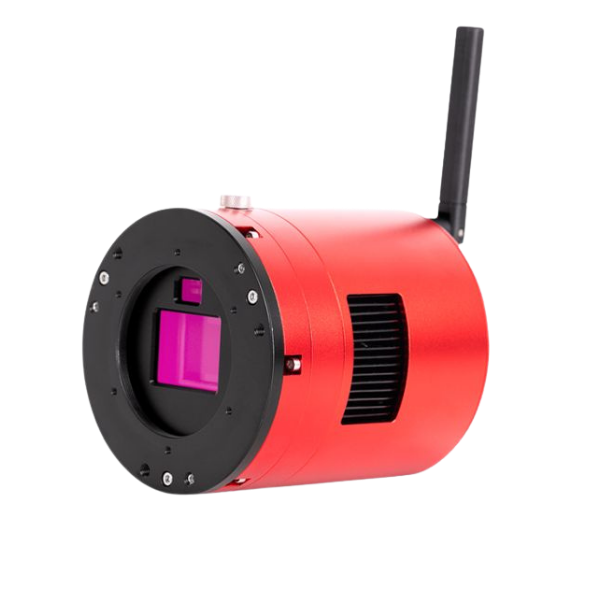
There are three main types of cameras used for astrophotography, deep sky, planetary and guide cameras. Deep sky cameras are great for photographing nebulae and star clusters. With their built-in cooling fans, these cameras can effectively reduce thermal noise during long exposures.
While they can be used for planetary and lunar imaging, their larger sensors result in larger file sizes, leading to lower frames per second. As a result, they are not ideal for lucky imaging, a technique used to capture images of planets and the Moon. Planetary cameras are more suited to this task, as they are designed to provide faster capture rates. Planetary cameras don't have a built-in cooling fan.
A guide camera is an essential tool for autoguiding. They are similar in design to planetary cameras, but tend to have smaller sensors and are more compact.
Astrophotography Mounts


A robust mount is essential to eliminate vibrations and movements during exposures. There are two main types of mounts: alt-azimuth and equatorial. Alt-azimuth is simpler to use and great for viewing, however, for long-exposure astrophotography, you'll need an equatorial mount.
Equatorial mounts counteract the Earth's rotation, allowing for long exposures without star trails. Strain Wave Mounts are a newer technology with negligible backlash and can be used with or without counterweights.
Star trackers are compact and portable motorized mounts used to compensate for the motion of the stars. They’re commonly used with digital cameras to capture Milky Way landscape images.
Filters, Filter Wheels & Filter Drawers

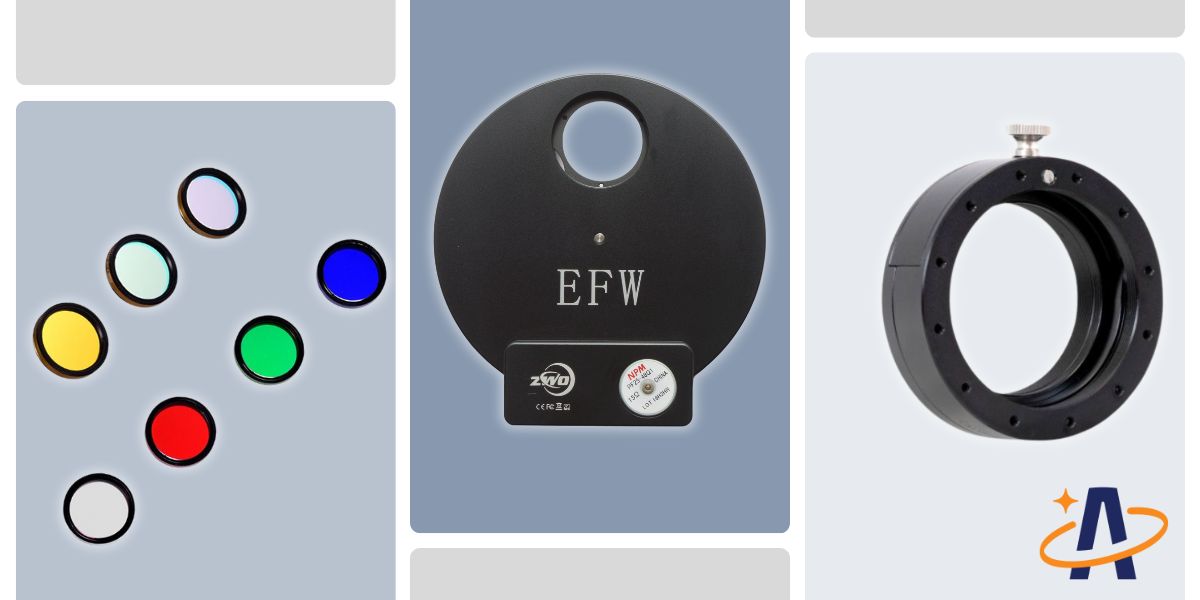
Filters isolate specific wavelengths of light and help reduce light pollution. They come in various sizes and types, such as broadband, narrowband, and specialty filters, such as solar filters. If you use a monochrome astrophotography camera, you will need filters to create a color image. Filter wheels make it convenient to switch between different filters to create a color image with your monochrome camera. Filter drawers pair greatly with color cameras, as they allow you to swap out multi-bandpass filters without needing to disconnect the camera from the telescope.
Focusing Aids
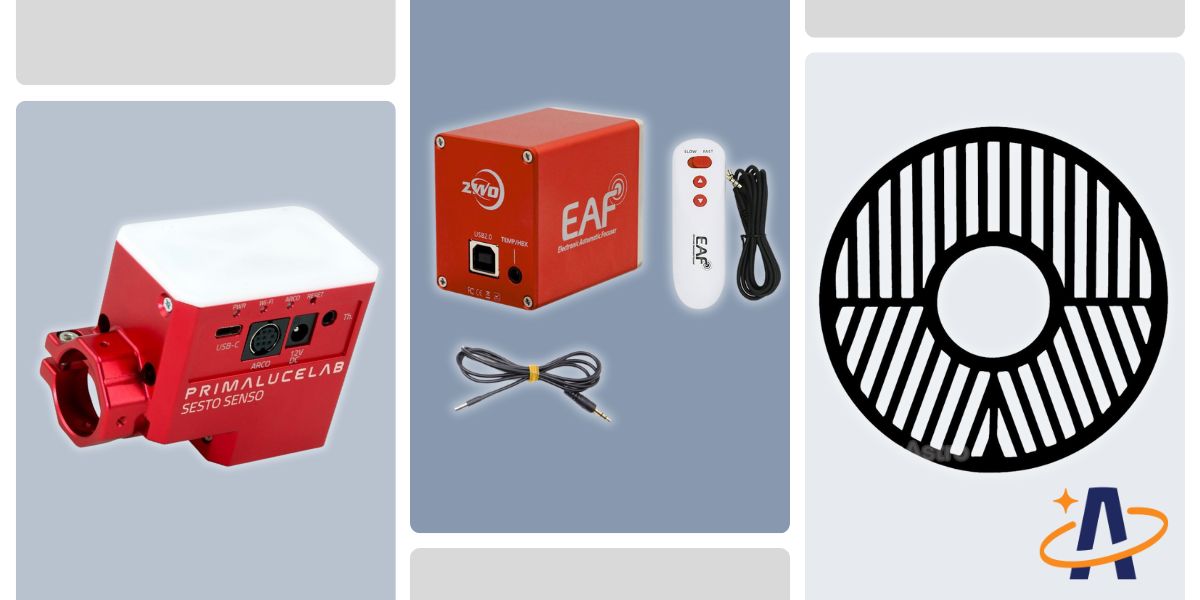
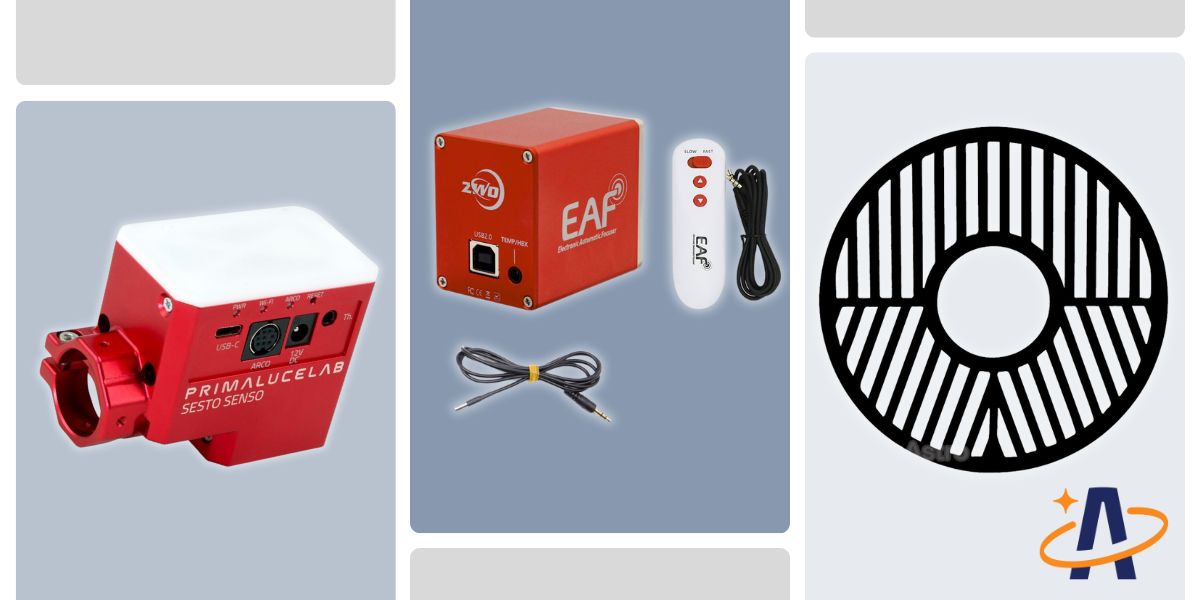
A Bahtinov mask is a budget-friendly option to help you focus. When placed over the front opening of your telescope, it creates a diffraction pattern on bright stars. The pattern changes as you adjust the focus, showing you when you’ve hit the sweet spot. For more precise focusing, consider installing an Electronic Automatic Focuser (EAF). EAFs allow you to control your telescope's focus, and make fine adjustments, via software or a hand controller.
Astrophotography Accessories
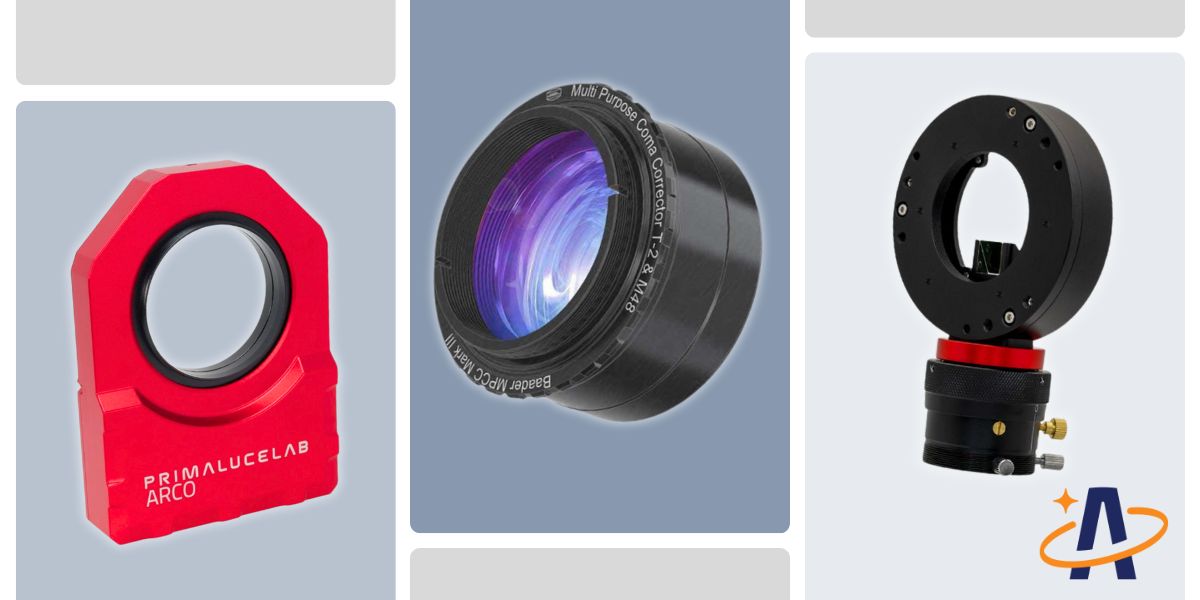
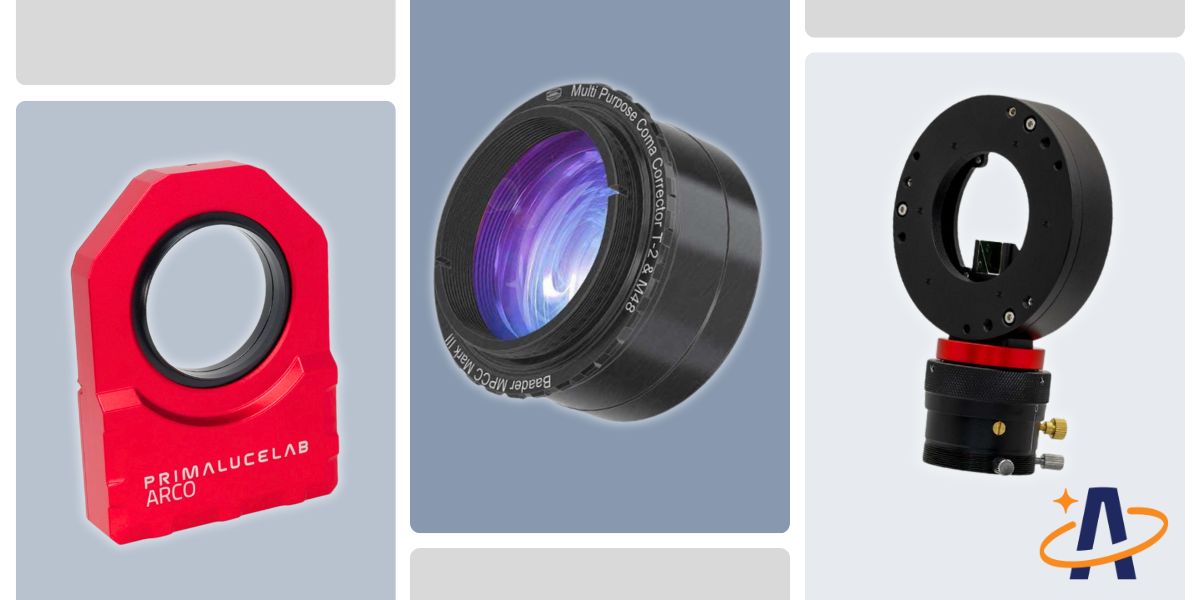
There are many supportive accessories available you can use to get the most out of your equipment:
- Focal Reducers: Want to image more of the night sky and faster? Focal reducers decrease the effective focal length of your telescope, giving you a wider field of view. They have the added benefit of decreasing your telescope's focal ratio, reducing your overall imaging time.
- Field Flatteners: Field flatteners correct the natural curvature found in many telescopes, giving you sharp stars across the entire image.
- Coma Correctors: If you own a Newtonian telescope, you will likely need a Coma Corrector. Coma Correctors help reduce coma, where stars can appear as comet-like shapes towards the edges of an image.
- Spacers and Adapters: Spacers and Adapters are the unsung heroes of astrophotography, providing the means to reach optimal back spacing and connect various components of the imaging train.
- Off-Axis Guiders: Off-Axis Guiders (OAGs ) are used for autoguiding during long exposures. They are commonly used with long focal-length telescopes and are preferred over separate guide scopes in some circumstances.
- Camera Rotators: Camera Rotators are useful for framing your images. They allow you to rotate your camera’s orientation without affecting the telescope’s position.
- Smartphone Adapters: Ever wondered how to take images of the night sky using your iPhone or Android? You can use a Smartphone adapter to attach your smartphone to your telescope! They are a fun way to get started with astrophotography without investing in dedicated astro cameras.
Can’t find what you’re looking for?
Our team is always on standby to help you choose the perfect camera or accessory to meet your needs. If you have any questions, or can't find what you’re looking for, contact us.
Frequently Asked Questions
How do I become an astrophotographer?
Becoming an astrophotographer starts with familiarizing yourself with the night sky. You'll need to learn about different celestial objects, such as star clusters, moon phases, and nebulae, to understand what you can capture and how. Once you can recognize constellations like Scorpio, Orion, or Cassiopeia, you'll be able to navigate the night sky and begin learning how to photograph it.
Joining a local astronomy club is an excellent way to learn about astrophotography, the gear you’ll need, and how to use it. You'll also have the opportunity to meet like-minded individuals who will be happy to answer your questions.
What do I need for deep sky astrophotography?
For deep sky astrophotography, you will need a:
- tracking mount
- camera
- telescope or telephoto lens
- power source
- laptop, Mini PC or similar device.
Can I do astrophotography without a telescope?
Yes! Using only a DSLR or Mirrorless Camera and Tripod, you can take photos of stars, the Milky Way, the Moon, comets and more!
How much does an astrophotography setup cost?
Astrophotography can be an expensive hobby, the cost of an astrophotography setup depends on many factors. If you already own a digital camera and tripod, you can start taking images of the night sky straight away. If you want to take your wide-field astrophotography to the next level or dive into deep sky astrophotography, you will need to invest in a tracking mount, a deep sky camera, and a telephoto lens or telescope. You may also need additional accessories, like filters, adapters, and software, which can add to overall costs.
What is the most versatile piece of equipment for astrophotography?
Astrophotographers often debate over what the most versatile piece of equipment for astrophotography is, but many agree that a portable tracking mount is incredibly functional. Its portability means you can chase clear skies anywhere. With features like star tracking, panorama, and time-lapse, it's a tool that can adapt to various photography styles. It can even be used with a guide camera and guide scope for long exposure deep sky astrophotography!
How does light pollution affect astrophotography?
Light pollution has a big impact on astrophotography. Street lights and light from buildings make the night sky brighter, which makes stars and other deep-space objects harder to see. Light pollution reduces the contrast between the night sky and deep-space objects, resulting in washed-out images. It also limits the ability to take long exposures because of too much background light, leading to overexposed photos. To deal with these issues, astrophotographers often go to places with lower light pollution levels or use special filters that block out certain kinds of artificial light. Learn more about light pollution in astrophotography.