
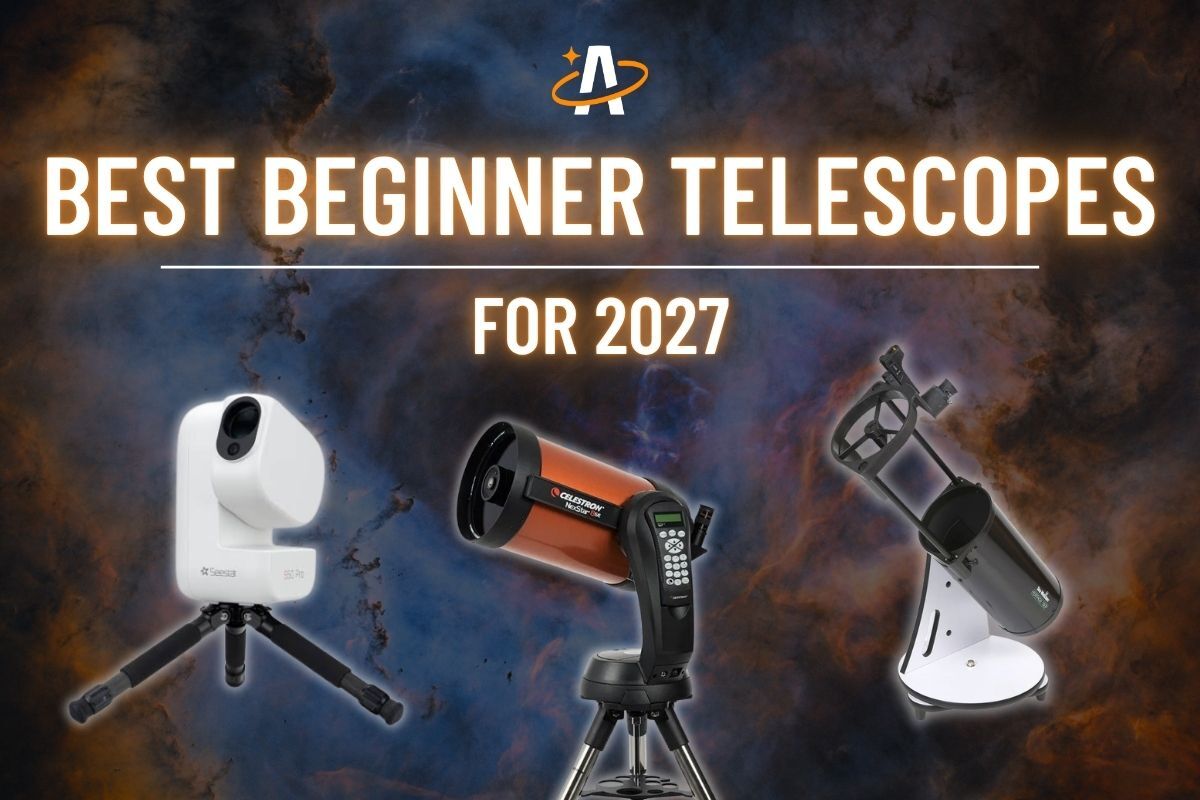
Best Beginner Telescopes for 2027

Updated September 2026 · New products added as they are released

At Agena Astro, we spend every day helping people take their first steps into astronomy. With experience across thousands of products and nearly every major astronomy brand, we know that choosing your first telescope can feel overwhelming. The good news? Getting started doesn't have to be complicated, and the right telescope can make all the difference.

For our Best Beginner Telescopes for 2027 guide, we’ve selected models that make it easier and more enjoyable to explore the night sky. Our recommendations consider real-world performance, ease of use, setup, versatility, customer feedback, and overall value. Whether you're interested in the Moon and planets, deep-sky objects, or an easy introduction to smart telescopes, we've picked options to help you find the right fit.

We’re calling this our Best Beginner Telescopes for 2027 guide because these are the models we believe offer the strongest starting points heading into 2027. As new telescopes are released, we’ll update our recommendations to keep the guide current.

Prefer to Watch?

Our team of astronomy experts has handpicked the best beginner telescopes for 2027! Join Mack as he walks through our top recommendations, what makes each one beginner-friendly, and which telescope might be right for you. Keep reading below for a closer look at each model, including key specs, standout features, and why we think it's a great choice for getting started in astronomy.

Our Best Beginner Telescope Picks for 2027 at a Glance
Why Trust Us & How We Chose

20+ years in astronomy retail · 200+ years combined astronomy experience · 5,000+ products · 30,000+ five-star reviews

Our picks are based on hands-on product experience, testing, customer feedback, and decades of helping astronomers build complete observing and imaging setups. Because we support customers before and after the sale, we also see the things that rarely make it into a spec sheet: which products work well together, where customers run into problems, and which gear continues to earn strong feedback over time.

Unlike many other best telescope roundups, our picks aren’t driven by affiliate relationships or centered on a single in-house brand. Our goal is simple: recommend the equipment we would confidently recommend to a friend or family member asking us for advice.
 

Meet the Team Behind the Picks

Mack Murdoc

Astrophotographer of 10 years and host of the Agena Astro YouTube Channel

Nicole Smith

Astrophotographer of 7 years and Content Specialist at Agena Astro

Brian Fulda

Astrophotographer and visual astronomer of 10 years; Head of Marketing at Agena Astro

Explore More 2027 Buying Guides

This guide highlights our best overall telescope picks across all major categories. Have a better idea of what you’re shopping for? Explore our dedicated guides for more focused recommendations beyond the picks featured here.

  • Best Smart Telescopes for 2027 — Compare the top all-in-one smart telescopes for easy observing and imaging.
  • Best Beginner Telescopes for 2027 — Our top picks for first-time telescope owners and new astronomers.
  • Best Astrophotography Telescopes for 2027 — The best imaging telescopes for wide-field, deep-sky, and more.
  • Best Astrophotography Mounts, Cameras & Accessories for 2027 — Our top picks for building or upgrading a complete imaging setup.

Best Beginner Refractor Telescope

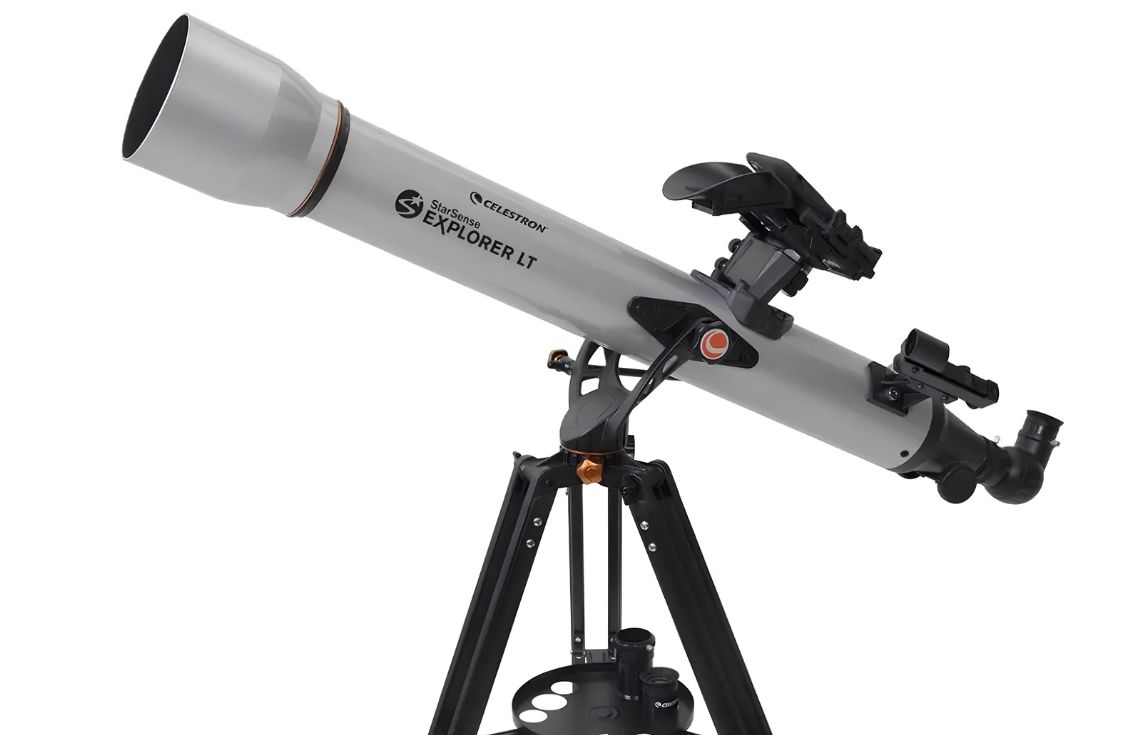
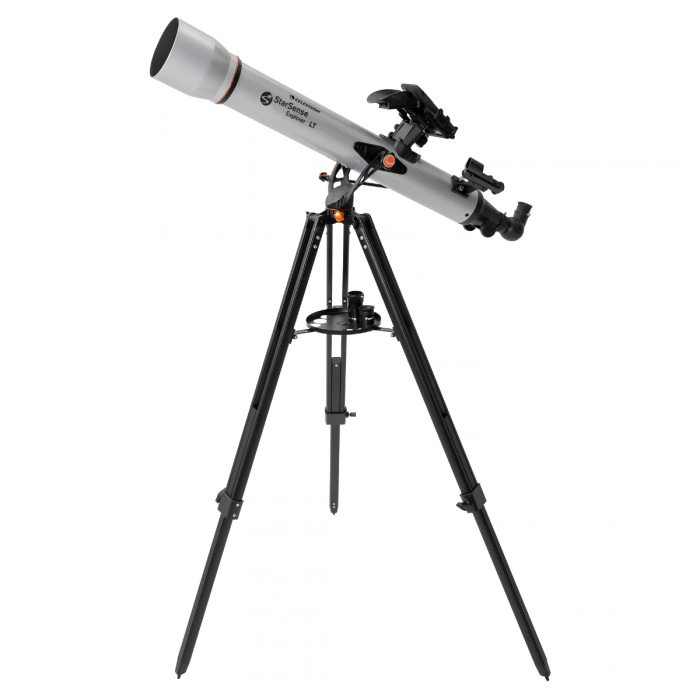
Celestron StarSense Explorer LT 80AZ

Celestron StarSense Explorer LT 80AZ App-Enabled Refractor Telescope Celestron StarSense Explorer LT 80AZ App-Enabled Refractor Telescope
Aperture
80mm / 3.1"
Focal Length
900mm
Focal Ratio
f/11
Eyepieces
10 & 25mm + 2x Barlow
Telescope Type
Refractor
Mount
Manual Alt-Azimuth
Weight
9.2 lb

The Celestron StarSense Explorer LT 80AZ makes finding and exploring the night sky easier than ever. Its innovative smartphone technology uses your phone's camera to analyze star patterns and guide you to celestial objects with easy-to-follow on-screen arrows. Combine that with bright, sharp views through its 80mm refractor optics, and you have a beginner-friendly telescope that takes the guesswork out of stargazing. From the Moon and planets to star clusters, double stars, and brighter nebulae, the LT 80AZ makes it easy to discover what's up in the night sky.

Why We Picked It

The Celestron StarSense Explorer LT 80AZ earns its place among our top telescope picks for 2027 because it makes getting started in astronomy remarkably simple without sacrificing the experience of using a traditional telescope. Instead of struggling with star charts or trying to figure out where to point, simply dock your smartphone, launch the StarSense Explorer app, and follow the on-screen arrows to your target. When the bullseye turns green, you're ready to observe.

Its 80mm refractor optics deliver bright, sharp views of the Moon, planets, and many popular deep-sky objects. You'll be able to explore lunar craters, Jupiter's cloud bands and Galilean moons, Saturn's rings, the Orion Nebula, the Pleiades, and much more. The included 25mm and 10mm eyepieces, along with a 2x Barlow lens, give you multiple magnification options as you explore different targets.

It's also a great choice for astronomers who want a straightforward, low-maintenance setup. The manual altazimuth mount features an altitude slow-motion control rod for making precise adjustments and following objects across the sky. The refractor design never requires collimation, and the full-height adjustable tripod makes it comfortable to use at home or take along to a darker observing location.

Perhaps most impressive is how much the complete package offers to a first-time telescope owner. With the StarSense smartphone dock, two eyepieces, Barlow lens, red dot finderscope, erect-image diagonal, and adjustable tripod all included, you have everything needed to start exploring right out of the box. That combination of easy-to-use technology, quality optics, versatility, and beginner-friendly design is ultimately why it earns a place among our top recommendations.

Best For
First-time observers, families, and younger astronomers who want an affordable, easy-to-use telescope with smartphone-guided help finding objects in the night sky.
✓ What We Like
  • Smartphone-guided navigation makes finding objects easy

  • Beginner-friendly setup and straightforward operation

  • 80mm refractor provides sharp views of the Moon and planets

  • No mirror alignment or collimation required

  • Includes useful accessories to get started right away

× What We Don't Like
  • 80mm aperture limits views of faint deep-sky objects

  • Manual mount does not automatically track objects

  • Smartphone required for StarSense navigation

  • Less room to grow into advanced observing than larger telescopes


Best Beginner Smart Telescope

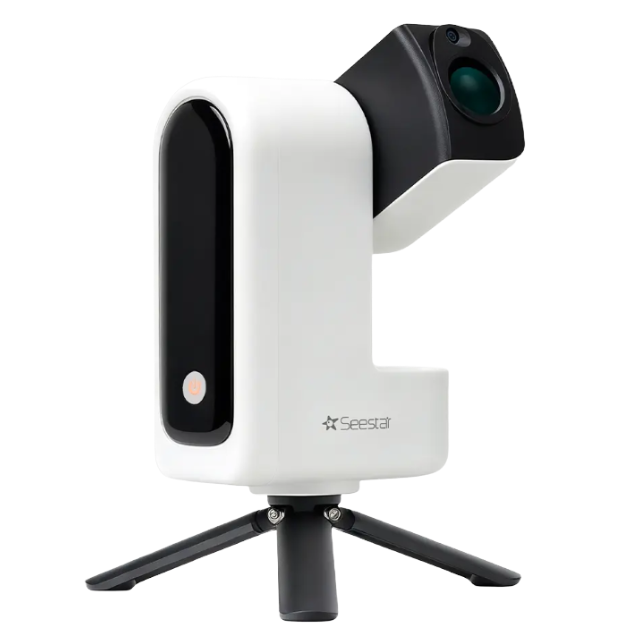
Seestar S30 Pro All-In-One Smart Telescope
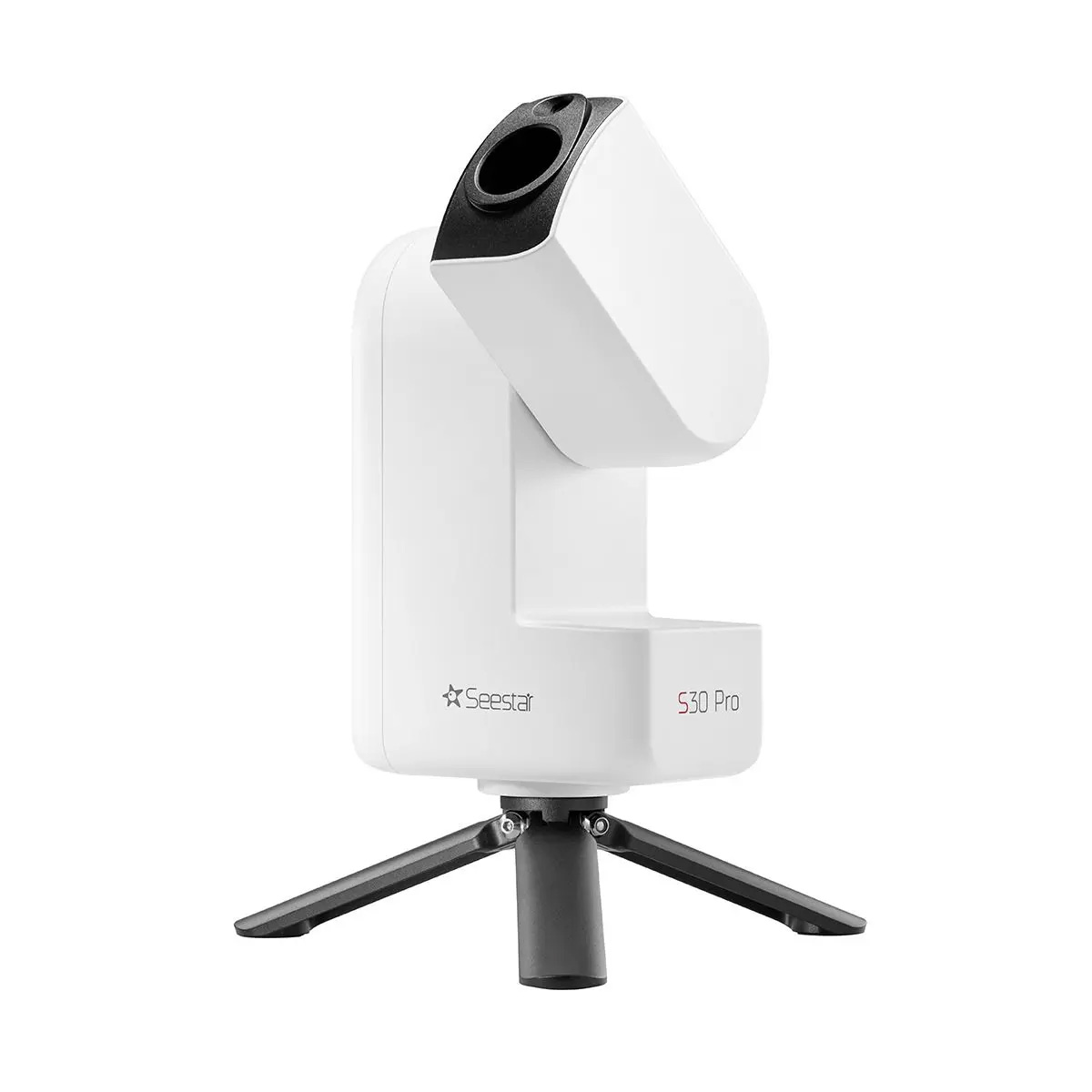
ZWO Seestar S30 Pro All-In-One Smart Telescope ZWO Seestar S30 Pro All-In-One Smart Telescope
Aperture
30mm
Main Camera
8.3 MP
Lenses
Telephoto + Wide
Battery Life
Up to 6 hrs
Storage
128 GB
Weight
3.6 lb

The Seestar S30 Pro is one of the easiest ways for a beginner to start capturing the night sky. It handles the complicated parts for you — alignment, focusing, tracking, image stacking, and processing — so you can choose a target in the app and start getting results without first learning how to build or operate a traditional astrophotography setup.

Why We Picked It

The S30 Pro earns our Best Beginner Smart Telescope for 2027 pick because it’s incredibly easy to use while still offering plenty of capability for new users to grow into. Its 4K dual-camera system gives you both a telephoto view for deep-sky targets and a much wider view for the Milky Way, landscapes, and other large scenes.

It’s also remarkably affordable for everything it includes. The telescope, cameras, mount, focusing system, filters, controller, and battery are all built into one compact 3.6 lb unit, while a tripod and solar filter are included. For beginners, that means you can start exploring deep-sky objects, the Moon, Sun, and wide-field subjects without piecing together a traditional astrophotography rig or making a major upfront investment.

Best For
Beginners, families, and casual astronomers who want an easy, portable way to capture impressive images of the night sky without building a traditional astrophotography rig.
✓ What We Like
  • Extremely easy to use, even with no astrophotography experience
  • Dual cameras cover both deep-sky and wide-angle imaging
  • Compact 3.6 lb design is ideal for travel and quick sessions
  • Built-in filters and included solar filter add a lot of versatility
  • Excellent capability and image quality for the price
× What We Don't Like
  • No eyepiece for traditional visual observing
  • Not ideal for capturing small targets like planets
  • 30mm aperture limits detail vs. larger S50 Pro

Best Value Beginner Smart Telescope

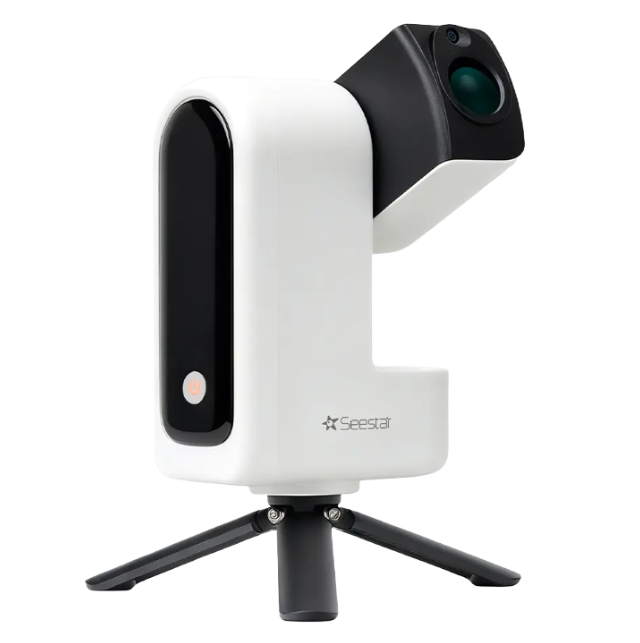
Seestar S30 Plus All-In-One Smart Telescope
Aperture
30mm
Main Camera
3.68 MP
Lenses
Telephoto + Wide
Battery Life
Up to 6 hrs
Storage
64 GB
Weight
3.64 lb

The Seestar S30 Plus makes exploring the night sky easier than ever, combining impressive 2K astrophotography, wide-field imaging, and fully automated operation in one affordable package. From colorful nebulae and distant galaxies to the Moon, Sun, and Milky Way, the S30 Plus gives beginners everything they need to start capturing the universe. Simply connect your phone, select a target, and let the telescope handle the rest!

Why We Picked It

The Seestar S30 Plus earns our Best Beginner Smart Telescope award because it takes the guesswork out of astrophotography while delivering impressive results at an affordable price. With automatic alignment, focusing, tracking, and image processing, even someone with no telescope experience can start exploring and photographing the night sky in minutes.

Its 30 mm four-element apochromatic optics and upgraded 3.68 MP telephoto sensor deliver sharp, detailed 2K images of galaxies, nebulae, and star clusters. The secondary wide-angle camera adds even more possibilities, allowing beginners to experiment with Milky Way photography, star trails, and beautiful nightscapes without needing additional equipment.

The S30 Plus is also surprisingly versatile. Built-in light pollution filtering helps capture deep-sky objects from suburban skies, while dedicated solar, lunar, and daytime imaging capabilities make it useful well beyond nighttime astronomy. Everything is controlled through the beginner-friendly Seestar app, including automated image enhancement and easy sharing.

Perhaps its biggest advantage is how much it offers for around $500. With a built-in camera, tracking mount, filters, rechargeable battery, and included tripod, the S30 Plus eliminates the expense and complexity of assembling a traditional astrophotography setup. Its combination of simplicity, versatility, and affordability makes it our top choice for beginners.

Best For
First-time astronomers, families, and casual stargazers who want an affordable, easy-to-use smart telescope for capturing deep-sky objects, the Milky Way, Moon, Sun, and everyday scenery without the complexity of traditional astrophotography equipment.
✓ What We Like
  • Beginner-friendly setup with fully automated operation

  • Sharp 2K imaging with upgraded APO optics

  • Dual-camera design for deep-sky and wide-field imaging

  • Versatile imaging modes for the Milky Way, Sun, Moon, and more

  • Excellent value at around $500

× What We Don't Like
  • No eyepiece for traditional visual observing

  • Not ideal for detailed planetary imaging

  • No wide-angle mosaic stitching or Milky Way arch mode


Best Beginner GoTo Telescope

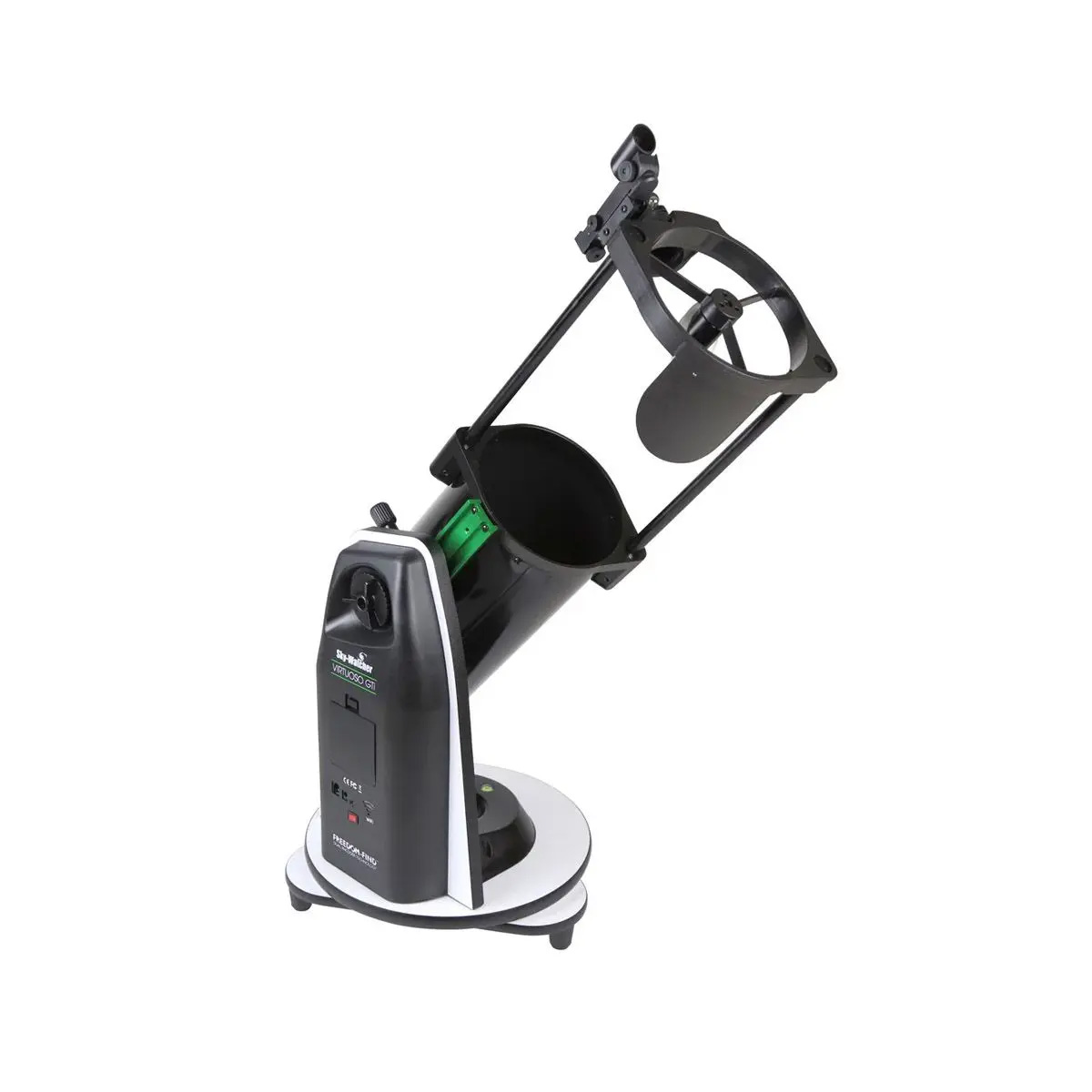
Sky-Watcher Virtuoso GTi 150P GoTo Tabletop Dobsonian Telescope
Sky-Watcher Virtuoso GTi 150P GoTo Tabletop Dobsonian Telescope Sky-Watcher Virtuoso GTi 150P GoTo Tabletop Dobsonian Telescope
Aperture
150mm / 6"
Focal Length
750mm
Focal Ratio
f/5
Eyepieces
10 & 25mm
Telescope Type
GoTo Dobsonian
Mount
Motorized Tabletop Alt-Azimuth
Weight
19.2 lb

The Sky-Watcher Virtuoso GTi 150P combines impressive 6-inch optics, computerized GoTo technology, and a compact tabletop design in one versatile telescope. Its collapsible optical tube makes it easy to store and transport, while built-in Wi-Fi and the free SynScan Pro app let you locate and track thousands of celestial objects right from your smartphone or tablet. From the Moon and planets to galaxies, nebulae, and star clusters, the Virtuoso GTi 150P offers plenty of aperture and smart features to make exploring the night sky easier and more rewarding.

Why We Picked It

The Sky-Watcher Virtuoso GTi 150P earns its place among our top telescope picks for 2027 because it offers an impressive combination of light-gathering power, computerized convenience, and portability. Its 150mm aperture gathers plenty of light for exploring both the solar system and deep-sky objects, making it a versatile choice for beginners and experienced observers alike.

The built-in GoTo mount is one of its biggest advantages. Using Wi-Fi and the free SynScan Pro app, you can choose from a database of more than 10,000 celestial objects and let the telescope automatically locate and track your targets. That makes finding interesting objects much easier, especially for beginners who are still learning their way around the night sky.

It's also a telescope that offers plenty of flexibility. The 750mm focal length and fast f/5 optics provide bright views of a wide range of targets, from lunar craters and planetary details to brighter galaxies and nebulae. The patented Freedom Find technology uses dual encoders to let you move the telescope manually without losing its alignment, giving you the freedom to explore on your own while keeping the convenience of computerized tracking.

Perhaps most impressive is how much capability Sky-Watcher has packed into such a compact design. The collapsible optical tube makes storage and transportation simple, while the tabletop Dobsonian mount keeps the overall setup manageable without sacrificing the benefits of a full GoTo system. With two included eyepieces and a red dot finder, you have the essentials to get started right out of the box. That combination of aperture, automated object locating, versatility, and portability is ultimately why it earns a place among our top recommendations.

Best For
Beginners and visual observers who want the light-gathering power of a 6-inch telescope with the convenience of computerized GoTo navigation in a compact, portable design.
✓ What We Like
  • 6-inch aperture delivers impressive views for its compact size

  • GoTo technology makes finding thousands of objects easy

  • Wi-Fi control through the SynScan Pro app

  • Freedom Find encoders allow manual movement without losing alignment

  • Collapsible optical tube makes storage and transport easier

× What We Don't Like
  • Tabletop mount requires a sturdy, level surface

  • Manual alignment and app setup take some getting used to

  • Not as convenient for wide-field viewing as shorter-focal-length telescopes

  • Limited tracking flexibility compared with equatorial mounts


Best Premium Beginner Telescope

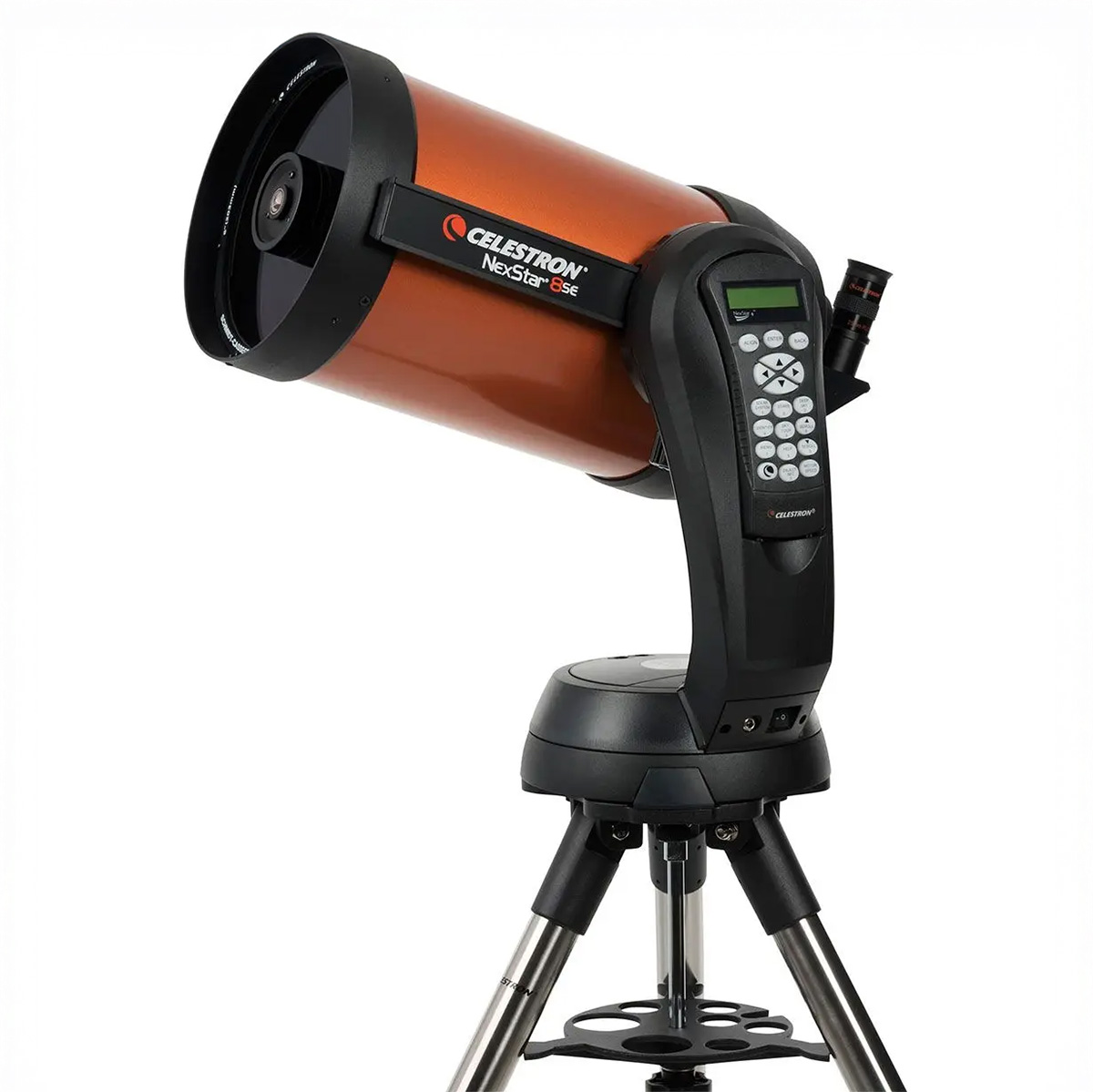
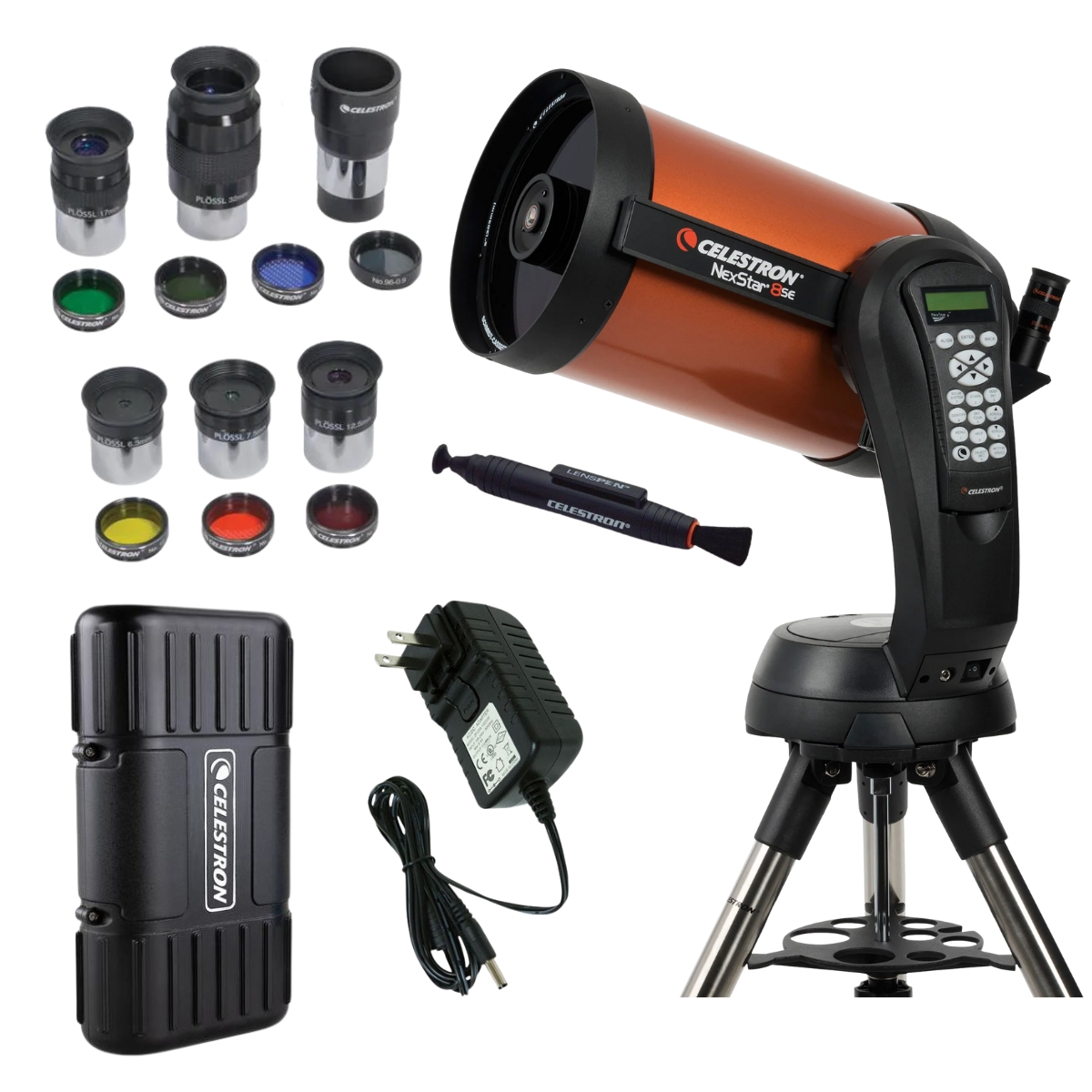
Celestron NexStar 8SE Telescope — Advanced Bundle
Celestron NexStar 8SE Telescope — Advanced Bundle Celestron NexStar 8SE Telescope — Advanced Bundle
Aperture
203mm / 8"
Focal Length
2032mm
Focal Ratio
f/10
Included Accessories
14-Piece Eyepiece & Filter Set
Telescope Type
Schmidt-Cassegrain
Mount
Computerized GoTo Alt-Azimuth
Weight
33 lb

The Celestron NexStar 8SE combines impressive 8-inch optics, computerized GoTo technology, and a surprisingly portable design to deliver an outstanding all-around astronomy experience. Its Schmidt-Cassegrain optical system gathers plenty of light for detailed views of planets, galaxies, nebulae, and star clusters, while the fully automated mount makes finding and tracking celestial objects easier than ever. The Advanced Bundle takes things a step further with an expanded eyepiece and filter set, a rechargeable PowerTank, and essential accessories, giving you a more complete setup for exploring the night sky.

Why We Picked It

The Celestron NexStar 8SE earns its place among our top telescope picks for 2027 because it delivers an excellent balance of aperture, computerized convenience, and portability. Its 8-inch Schmidt-Cassegrain optics provide impressive light-gathering capability and resolution, making it a versatile instrument for exploring everything from fine lunar and planetary details to distant galaxies and nebulae.

The computerized GoTo mount is another major advantage. With Celestron's SkyAlign technology, you can align the telescope using three bright objects in the sky and let the system take care of locating and tracking your targets. Its database of more than 40,000 celestial objects opens up an incredible range of observing possibilities, making it easier to discover new targets without spending time searching manually.

It's also a telescope that can grow with your interests. The 2032mm focal length and f/10 optical design provide excellent magnification for lunar and planetary observing, while additional eyepieces give you more flexibility when exploring star clusters, nebulae, and galaxies. The compact Schmidt-Cassegrain optical tube also makes the 8SE considerably easier to transport and store than many traditional telescopes with comparable aperture.

Perhaps most impressive is what the Advanced Bundle adds to an already capable telescope. Along with the NexStar 8SE, you get a 14-piece eyepiece and filter set for expanded viewing options, a rechargeable 73.3Wh PowerTank Lithium LT for portable operation, an AC adapter, and an optics cleaning tool. That means more magnification choices, useful observing accessories, and convenient power options right from the start. That combination of aperture, automated tracking, versatility, and an expanded accessory package is ultimately why it earns a place among our top recommendations.

Best For
Beginners and experienced observers who want powerful 8-inch optics, automated GoTo tracking, and a well-equipped package for exploring planets and deep-sky objects.
✓ What We Like
  • Large 8-inch aperture gathers plenty of light for deep-sky observing

  • Excellent planetary and lunar detail

  • Automated GoTo mount makes locating and tracking objects easy

  • Compact optical tube is relatively portable for an 8-inch telescope

  • Advanced Bundle includes a useful selection of eyepieces, filters, and power accessories

× What We Don't Like
  • Higher price than entry-level visual telescopes

  • Narrower field of view can make large objects harder to frame

  • Requires external power for extended observing sessions

  • Not designed for long-exposure deep-sky imaging with its alt-az mount


Best Beginner Full-Size Dobsonian

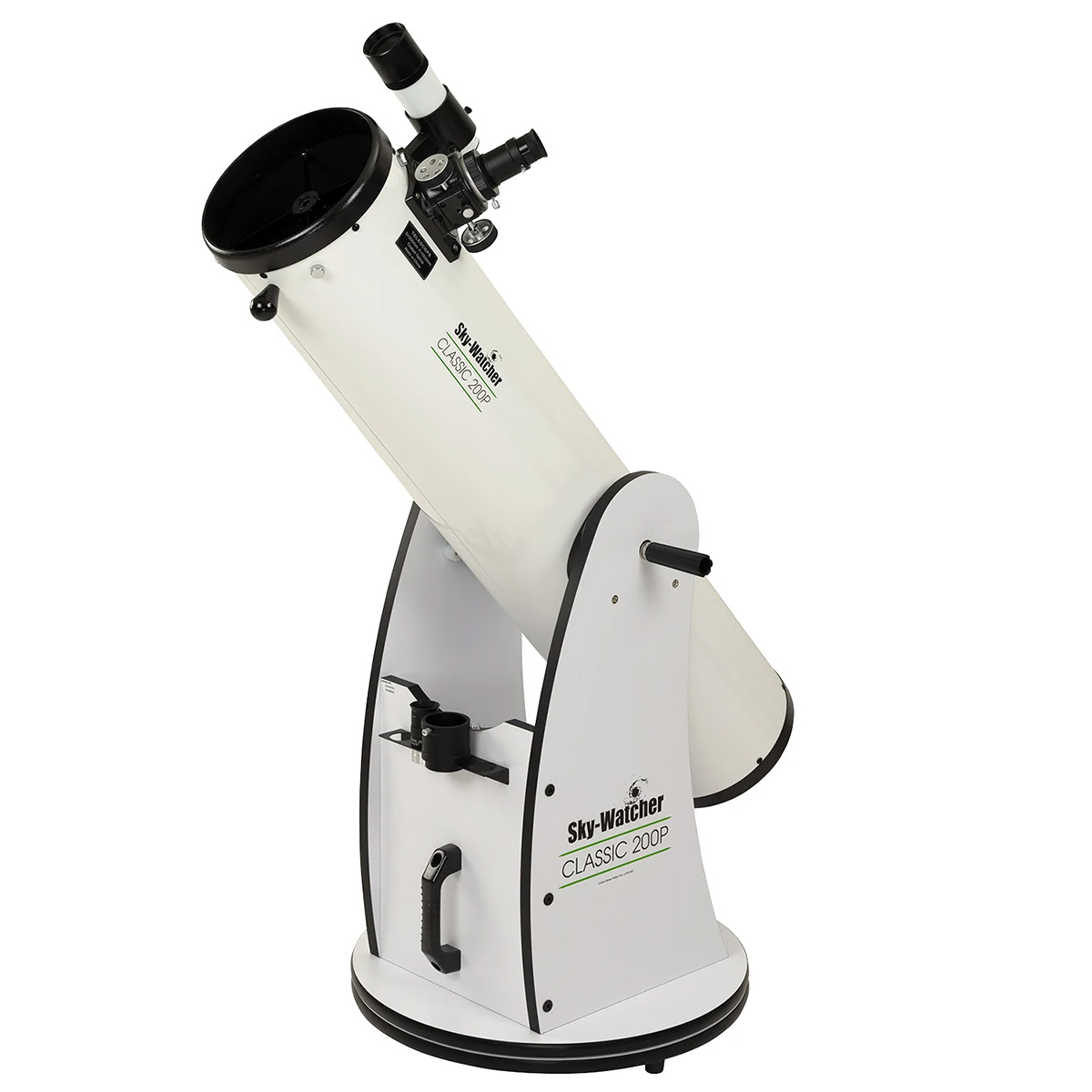
Sky-Watcher 8" Classic Dobsonian Telescope

Sky-Watcher 8" Classic Dobsonian Telescope Sky-Watcher 8" Classic Dobsonian Telescope
Aperture
203mm / 8"
Focal Length
1200mm
Focal Ratio
f/5.9
Eyepieces
10 & 25mm
Telescope Type
Newtonian Reflector
Mount
Manual Dobsonian
Weight
45 lb

The Sky-Watcher 8" Classic Dobsonian delivers the kind of light-gathering power that makes deep-sky observing truly rewarding. Its generous 8-inch aperture reveals bright, detailed views of the Moon, planets, star clusters, nebulae, and galaxies, all in a straightforward design that’s easy to learn and enjoy. For anyone looking to get serious about visual astronomy without spending a fortune, this telescope offers an excellent balance of performance, simplicity, and value.

Why We Picked It

An 8-inch aperture is a major step up for anyone getting started in astronomy, providing plenty of light to explore objects well beyond the brightest sights in the night sky. The parabolic primary mirror features Sky-Watcher’s Radiant Aluminum Quartz coatings with 94% reflectivity, helping deliver sharp, high-contrast views. From lunar craters and planetary details to the Orion Nebula, globular clusters, and distant galaxies, the Classic Dobsonian gives you plenty to discover.

Its traditional Dobsonian design keeps observing refreshingly simple. The sturdy rocker-box mount moves smoothly in altitude and azimuth, making it easy to point the telescope by hand and follow objects across the sky. There’s no complicated setup or electronics to manage, so you can spend more time observing and gradually build your knowledge of the night sky.

We also like the thoughtful features that make this telescope easy to grow with. The 2-inch Crayford-style focuser includes a 1.25-inch adapter, giving you the flexibility to use a wide range of eyepieces as your interests develop. A tension-control handle helps keep the telescope balanced and steady, while the included 9x50 finderscope and two eyepieces give you the essentials to get started.

The 8" Classic Dobsonian is a great choice for beginners who want room to explore, as well as experienced observers looking for an affordable visual telescope with plenty of aperture. Its combination of capable optics, dependable mechanics, and straightforward operation makes it one of our favorite ways to get more out of a night under the stars

Best For
Beginners and visual observers who want impressive deep-sky views, plenty of aperture, and straightforward manual operation without paying extra for computerized features.
✓ What We Like
  • Generous 8-inch aperture offers excellent deep-sky views

  • Strong optical performance for the price

  • Simple manual operation with no electronics required

  • Smooth Dobsonian mount makes pointing and tracking intuitive

  • 2-inch focuser provides flexibility for a wide range of eyepieces

× What We Don't Like
  • Bulky design takes up more storage and transport space

  • Manual tracking requires occasional nudging to keep objects centered

  • Requires occasional mirror collimation

  • No computerized object locating or tracking


Best Beginner Telescope Overall

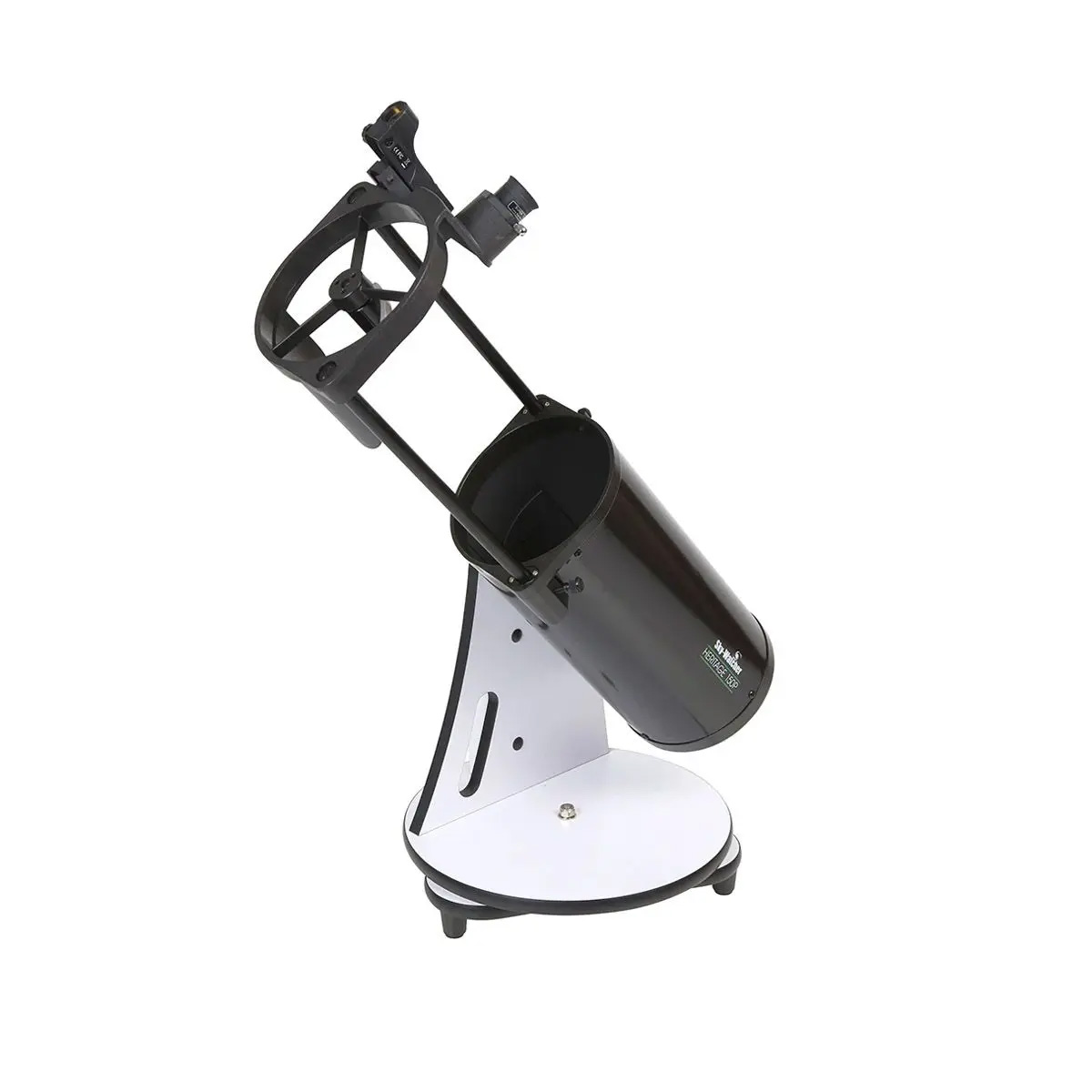
Sky-Watcher Heritage 150 f/5 Tabletop Dobsonian Telescope
Sky-Watcher Heritage 150 f/5 Tabletop Dobsonian Telescope Sky-Watcher Heritage 150 f/5 Tabletop Dobsonian Telescope
Aperture
150mm / 6"
Focal Length
750mm
Focal Ratio
f/5
Eyepieces
10 & 25mm
Telescope Type
Manual Dobsonian
Weight
15.3 lb

The Heritage 150 hits a sweet spot for beginners: it’s easy to get started with, affordable enough to feel approachable, and capable enough to remain useful long after your first few observing sessions.

Why We Picked It

The Heritage 150 is one of our favorite beginner telescopes because it combines simple operation, meaningful aperture, and excellent value. There are no batteries, apps, or alignment routines to worry about — just place it on a sturdy surface, extend the tube, insert an eyepiece, and start observing.

Its 150mm aperture is large enough to deliver impressive views of the Moon and planets while also revealing star clusters, nebulae, and brighter galaxies under darker skies. The collapsible design keeps it surprisingly compact for a 6-inch telescope, and the included eyepieces and red-dot finder give new astronomers what they need to get started.

For someone buying their first serious telescope, the Heritage 150 offers a lot of capability without a steep learning curve or a major investment. For those with a more limited budget, the smaller Heritage 130 model offers a similar experience with a slightly smaller aperture.

Best For
Beginners, families, and grab-and-go observers who want capable 6-inch optics in a compact, collapsible telescope that's easy to store and transport.
✓ What We Like
  • Excellent 150mm aperture for the price
  • Extremely simple and intuitive for first-time telescope owners
  • Great views of both planets and brighter deep-sky objects
  • Collapsible design makes a 6-inch telescope surprisingly portable
  • Includes two eyepieces and a red-dot finder to get started
× What We Don't Like
  • Requires a sturdy table or other elevated surface for comfortable viewing
  • Manual mount does not automatically find or track objects
  • Reflector optics require occasional collimation

Still Not Sure Which Telescope Is Right for You?

There’s no single telescope that’s best for every astronomer. The right choice depends on what you want to see or photograph, how portable you need your setup to be, and how hands-on you want the experience to be.

At Agena Astro, we carry more than 400 telescope models for every experience level, giving you the largest variety of in-stock telescopes in North America to choose from. Our telescopes range from Beginner Telescopes, Smart Telescopes, Astrophotography Telescopes, Refractor Telescopes, Dobsonian Telescopes, Solar Telescopes, and more, with options across a wide range of budgets and goals.

Still not sure which one is best for you? Our team helps astronomers of all experience levels choose telescopes and build complete observing and imaging setups, and we’re always happy to help you narrow down the right option for your goals and budget.