

At Agena Astro, we help astrophotographers of all experience levels find the right equipment to capture the night sky. Choosing the best astrophotography telescope means finding the right balance of focal length, optical performance, imaging speed, portability, and compatibility with your camera and mount. Whether you're capturing sprawling nebulae, distant galaxies, or intricate deep-sky details, the right telescope can make all the difference.
For our Best Astrophotography Telescopes for 2027 guide, we've handpicked seven standout imaging telescopes, from affordable, beginner-friendly astrographs to premium refractors and long-focal-length imaging systems. Each selection considers optical performance, versatility, ease of use, customer feedback, and overall value.
These are our top recommendations heading into 2027, and we'll continue updating our picks as new telescopes and imaging technologies become available.
Prefer to Watch?
Our team of astronomy experts has handpicked the best astrophotography telescopes for 2027! Join Mack as he walks through our top recommendations, what makes each telescope stand out, and which one might be right for you! Keep reading below for a closer look at each telescope, including detailed specs, standout features, and why it earned a spot on our list.
Our Top Astrophotography Telescope Picks for 2027 at a Glance
How to Choose the Right Astrophotography Telescope
The best astrophotography telescope depends on what you want to photograph, your camera, and the mount supporting your setup. Here are the three most important factors to consider:
Focal Length: Shorter focal lengths (200–400mm) are ideal for large nebulae and wide-field imaging, while mid-range focal lengths (400–800mm) offer versatility for many deep-sky targets. Longer focal lengths (800mm+) are better suited for smaller galaxies and compact objects.
Sensor Coverage: Make sure your telescope supports your camera's sensor size. Full-frame cameras require a larger corrected image circle, while smaller APS-C and Micro Four Thirds sensors work with a wider range of telescopes. Some refractors also require a separate field flattener for sharp stars across the frame.
Mount Requirements: Larger telescopes require sturdier mounts, while longer focal lengths demand more precise tracking. Remember to account for the weight of your camera, guiding equipment, and other accessories.
Not sure which focal length is right for you? Try AstroSuite's free Field of View Calculator to see how different telescope and camera combinations frame your favorite celestial targets. Compare up to five setups side by side and even plan mosaics for larger objects.
Why Trust Us & How We Chose
20+ years in astronomy retail · 200+ years combined astronomy experience · 5,000+ products · 30,000+ five-star reviews
Our picks are based on hands-on product experience, testing, customer feedback, and decades of helping astronomers build complete observing and imaging setups. Because we support customers before and after the sale, we also see the things that rarely make it into a spec sheet: which products work well together, where customers run into problems, and which gear continues to earn strong feedback over time.
Unlike many other best telescope roundups, our picks aren’t driven by affiliate relationships or centered on a single in-house brand. Our goal is simple: recommend the equipment we would confidently recommend to a friend or family member asking us for advice.
Meet the Team Behind the Picks

Mack Murdoc
Astrophotographer of 10 years and host of the Agena Astro YouTube Channel
Nicole Smith
Astrophotographer of 7 years and Content Specialist at Agena Astro

Brian Fulda
Astrophotographer and visual astronomer of 10 years; Head of Marketing at Agena Astro
Explore More 2027 Buying Guides
This guide highlights our best overall telescope picks across all major categories. Have a better idea of what you’re shopping for? Explore our dedicated guides for more focused recommendations beyond the picks featured here.
- Best Smart Telescopes for 2027 — Compare the top all-in-one smart telescopes for easy observing and imaging.
- Best Beginner Telescopes for 2027 — Our top picks for first-time telescope owners and new astronomers.
- Best Astrophotography Telescopes for 2027 — The best imaging telescopes for wide-field, deep-sky, and more.
- Best Astrophotography Mounts, Cameras & Accessories for 2027 — Our top picks for building or upgrading a complete imaging setup.
Askar 71F Quadruplet APO Refractor Telescope
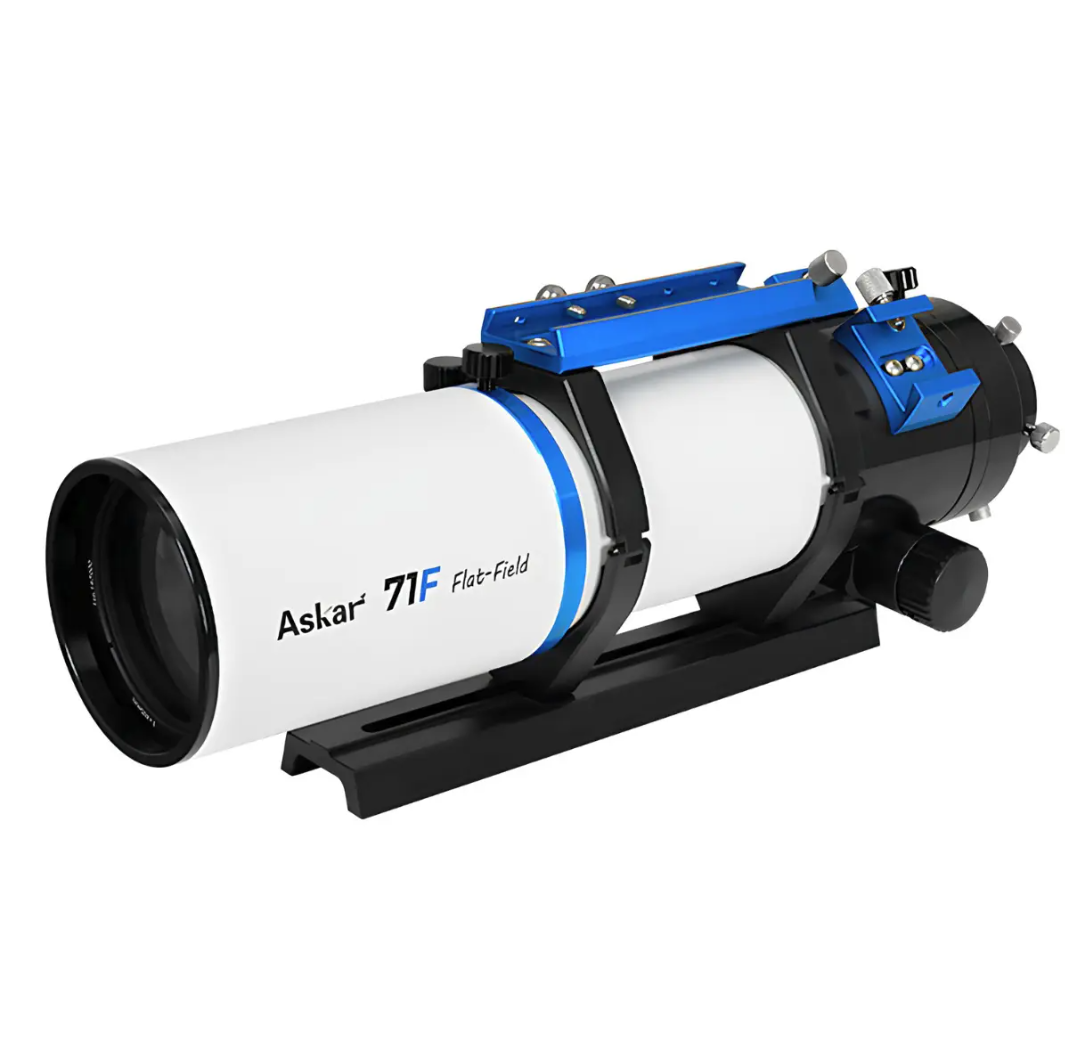
Our Best Value Astrophotography Telescope pick for 2027, the Askar 71F combines a flat-field quadruplet design, full-frame coverage, and excellent image quality at a price that’s difficult to beat.
- Built-in flat-field design — no separate flattener required
- Full-frame capable with excellent edge-to-edge correction
- Versatile 490mm focal length for many popular deep-sky targets
- Compact 5.5 lb OTA works well on smaller mounts
- Excellent optical performance for the price
- Native f/6.9 is slower than dedicated fast astrographs
- Focal length is not ideal for very small galaxies, planets, or other high-resolution targets
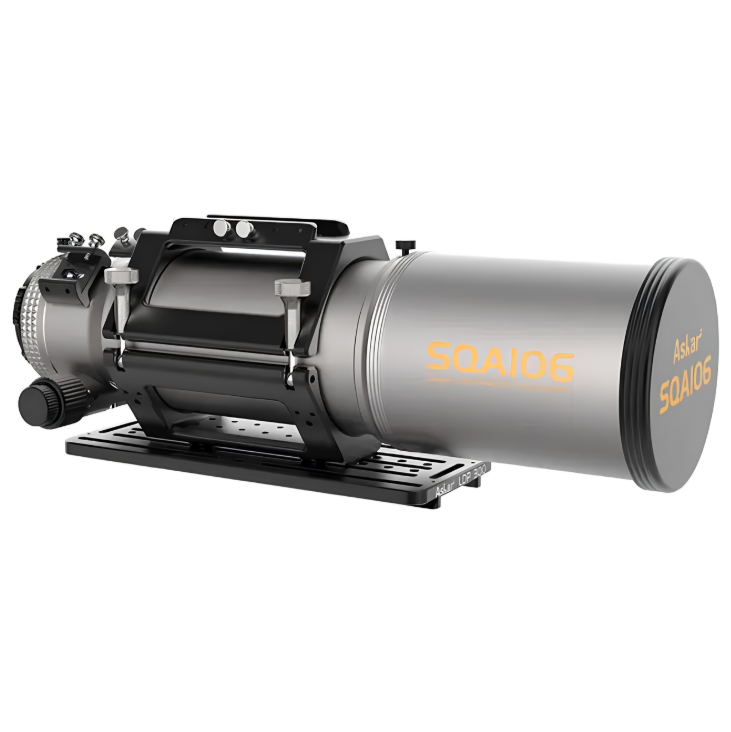
Askar SQA106 Petzval Refractor Telescope
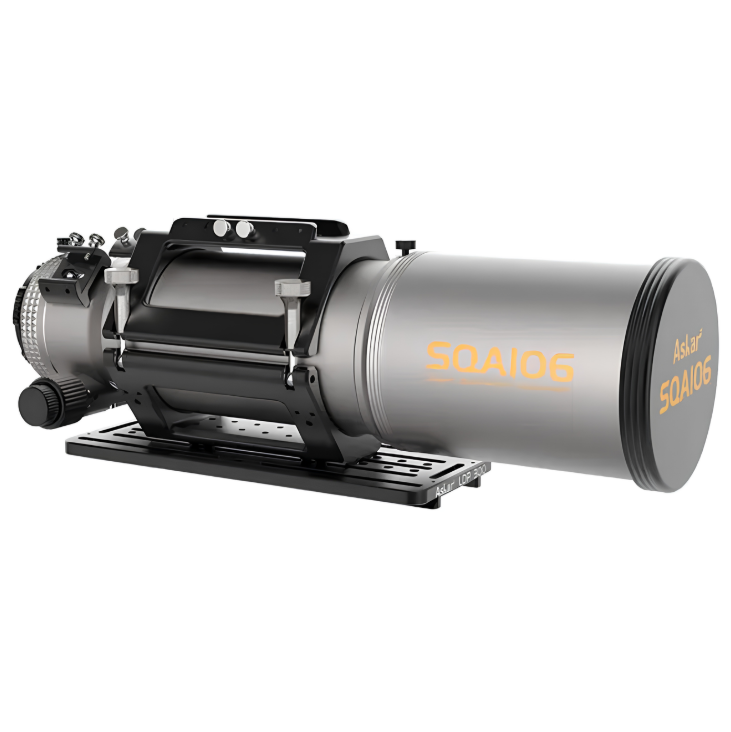
The Askar SQA106 is a premium astrograph built for astrophotographers who demand exceptional image quality and precision. Featuring a 106mm five-element Petzval APO optical system with two SD glass elements, a fast f/4.8 focal ratio, and an impressive 55mm image circle. Its advanced flat-field design and excellent color correction make it an outstanding upgrade choice.
Why We Picked It
The Askar SQA106 is built for astrophotographers who want a fast, high-performance imaging system without the complexity of additional field correction. Its five-element Petzval design produces a flat, well-corrected imaging field, while its generous 55mm image circle accommodates full-frame cameras and certain larger-format sensors.
At 509mm and f/4.8, the SQA106 is particularly well suited for capturing detailed images of nebulae and larger galaxies. Its fast optics are especially appealing for narrowband imaging, where collecting sufficient signal can require substantial integration time. The built-in field correction also removes one of the more frustrating parts of configuring an imaging train: fine-tuning flattener spacing to achieve round stars at the edges of the frame.
For experienced imagers using larger sensors or looking to upgrade from a slower refractor, the SQA106 offers an appealing combination of imaging speed, optical correction, and ease of integration.
-
Premium five-element Petzval optics deliver exceptionally sharp stars
-
Fast f/4.8 optics capture impressive deep-sky detail
-
Large 55mm image circle supports full-frame and medium-format cameras
-
Built-in field correction eliminates the need for a separate flattener
-
Precision dual-speed focuser and 360° rotator simplify imaging
-
Premium optical design comes with a higher price tag
-
Heavy 17.9 lb assembled setup requires a capable equatorial mount
-
Fixed 509mm focal length isn't ideal for very small galaxies or planetary imaging
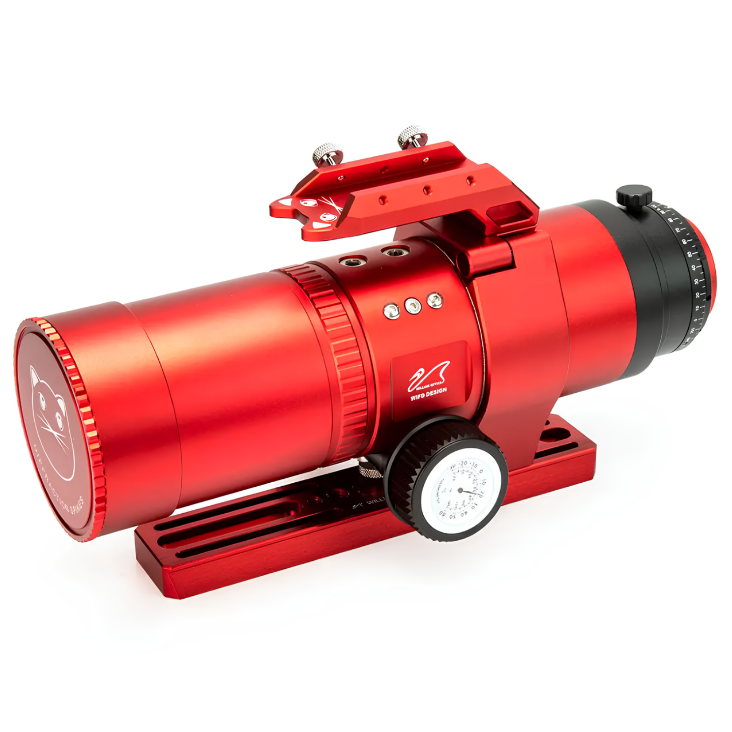
William Optics RedCat 51 III WIFD Astrograph
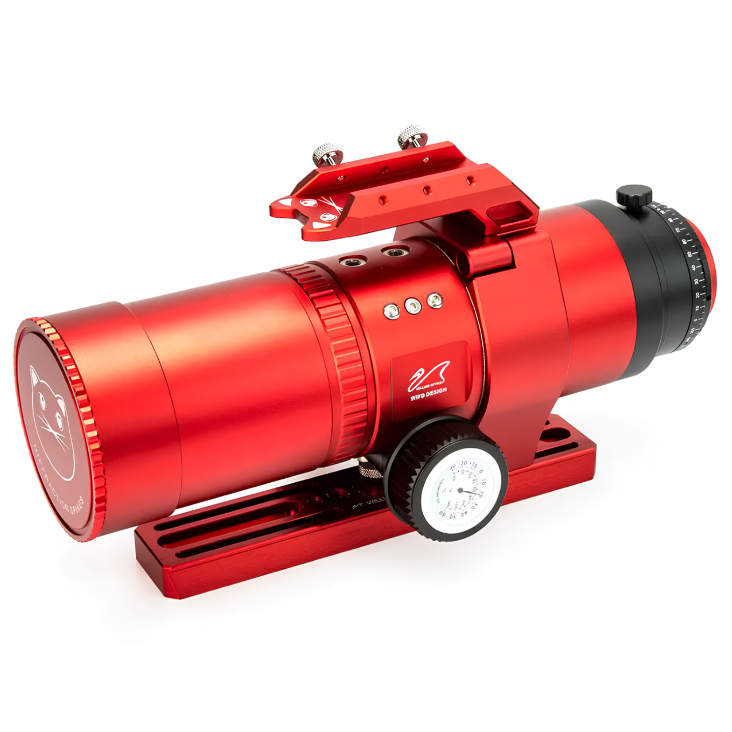
The William Optics RedCat 51 III is a compact, travel-friendly astrograph built for capturing stunning wide-field images wherever your adventures take you. Featuring a 51mm four-element Petzval APO optical system, 250mm focal length, and fast f/4.9 optics. Its lightweight design and built-in field correction make it an excellent choice for astrophotographers who want impressive performance in a portable package.
Why We Picked It
The William Optics RedCat 51 III stands out because it packs impressive optical performance into an incredibly portable telescope. Weighing just 3.9 lbs for the optical tube alone, it's easy to transport, quick to set up, and a fantastic companion for astrophotography trips to dark-sky locations.
At 250mm focal length and f/4.9, it captures beautiful wide-field views of large nebulae, star clusters, and sweeping Milky Way regions. Its four-element Petzval design with premium FPL-53 glass delivers sharp stars across a generous 48mm image circle, supporting full-frame cameras without requiring a separate field flattener.
For imagers who love traveling light, the RedCat 51 III is an easy pick. Its upgraded WIFD internal focuser provides smooth, precise adjustments without changing the telescope's overall balance, while the included dual Vixen/Arca-Swiss mounting plate makes it easy to pair with compatible astronomy mounts or photography tripods. Combined with its included carrying case, it's a versatile grab-and-go astrograph built for imaging adventures.
-
Lightweight 3.9 lb OTA is perfect for traveling and portable setups
-
Wide 250mm focal length captures large nebulae and star fields
-
Four-element Petzval optics deliver sharp stars without a separate flattener
-
WIFD internal focuser maintains balance and supports electronic focusing
-
Includes a carrying case and dual Vixen/Arca-Swiss mounting plate
-
Small 51mm aperture limits resolution compared to larger telescopes
-
Short focal length isn't ideal for smaller galaxies or planetary imaging
-
Electronic focuser and other imaging accessories are sold separately
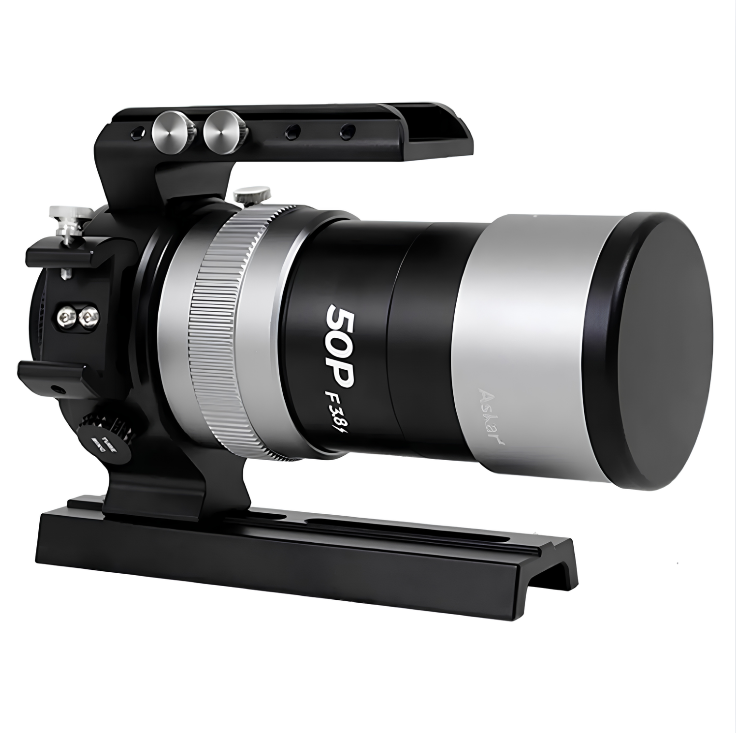
Askar 50P 50mm f/3.8 Petzval APO Refractor
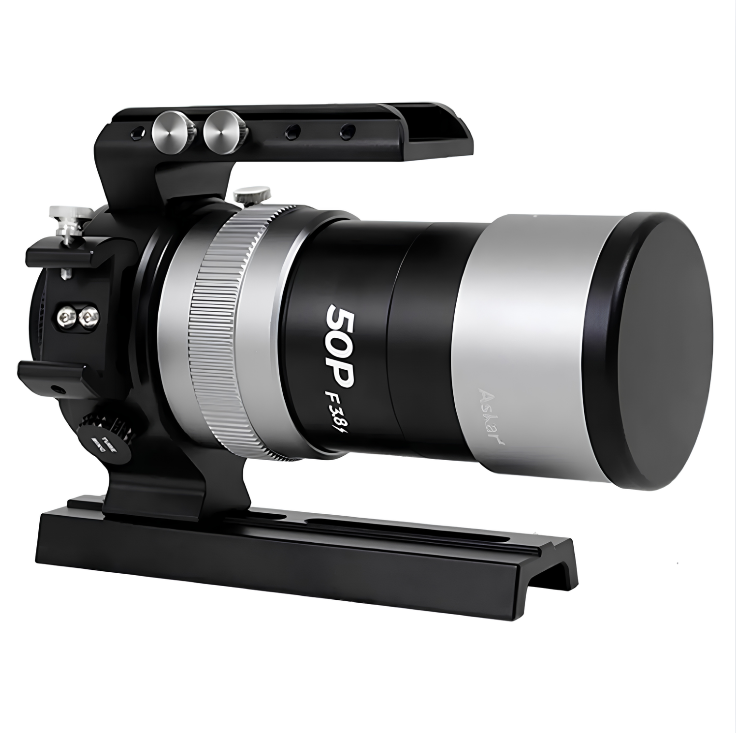
The Askar 50P is a tiny, ultra-fast astrograph built for huge swaths of sky. The Askar 50P pairs a 50mm aperture with a very short 190mm focal length and fast f/3.8 optics, making it a great choice for large nebulae, Milky Way regions, and other sweeping deep-sky targets.
Why We Picked It
The Askar 50P stands out because it gives you an exceptionally wide field of view in a compact, purpose-built astrophotography telescope. Its quadruplet Petzval design provides built-in field correction, so you don’t need to add a separate flattener to get sharp stars across the frame.
At just 190mm focal length and f/3.8, it can capture very large targets that simply won’t fit in the frame with most refractors. That makes it especially useful for sprawling nebulae, large star fields, and Milky Way imaging — and its fast focal ratio helps you collect a lot of signal quickly!
For imagers who want to go truly wide without moving to a camera lens, the 50P is an easy pick. It gives you the convenience and mechanics of a dedicated telescope with the huge field of view normally associated with much shorter optics.
- Highly affordable price point for a Petzval astrograph
- Ultra-wide 190mm focal length fits huge targets in a single frame
- Fast f/3.8 optics help collect signal quickly
- Built-in field correction means no separate flattener is required
- Compact and lightweight for portable imaging rigs
- Too wide for detailed images of deep-sky targets
- 50mm aperture provides less resolution than larger refractors
- Only compatible with cameras with up to APS-C sized sensors
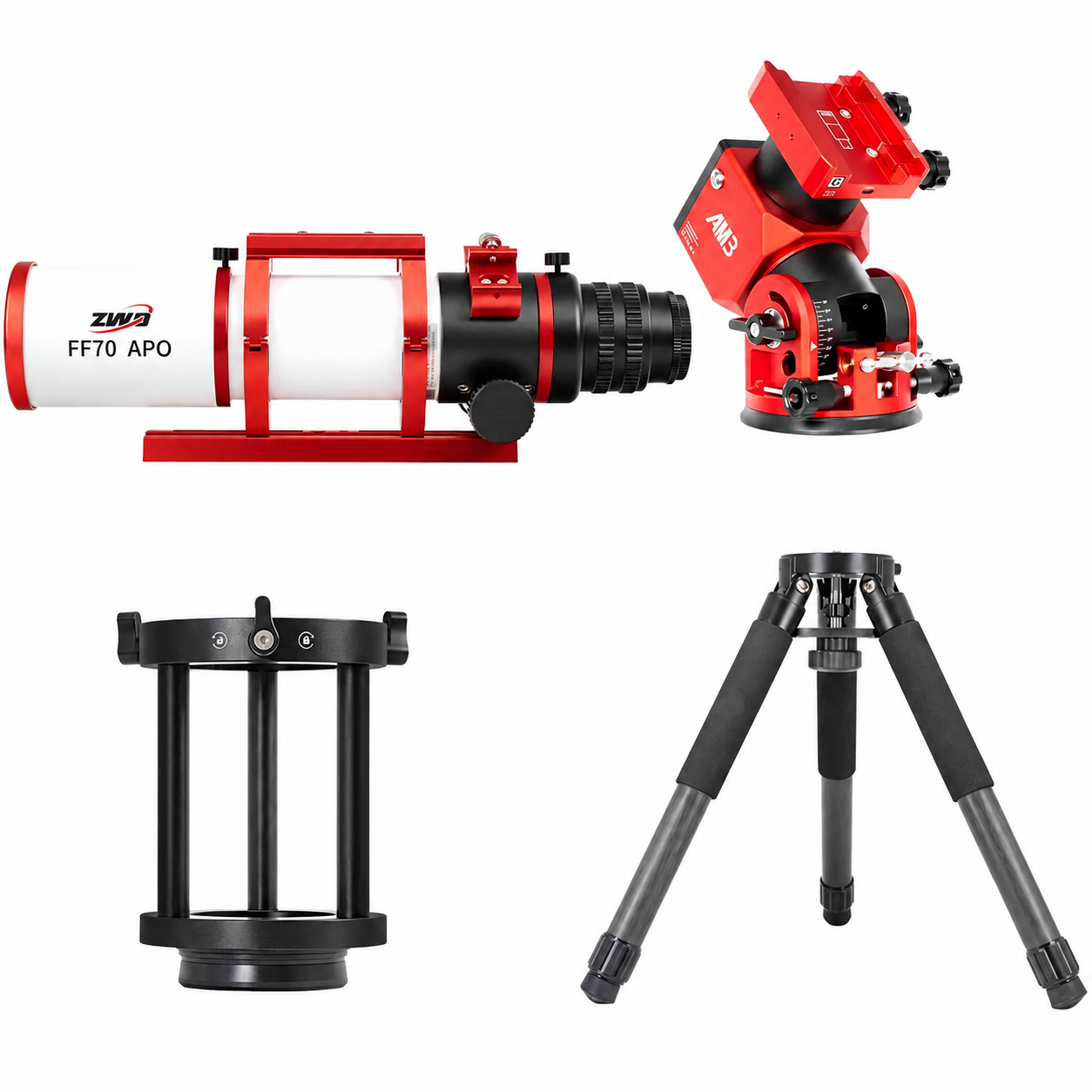
ZWO FF70 APO Refractor with AM3N Mount & TC40 Tripod
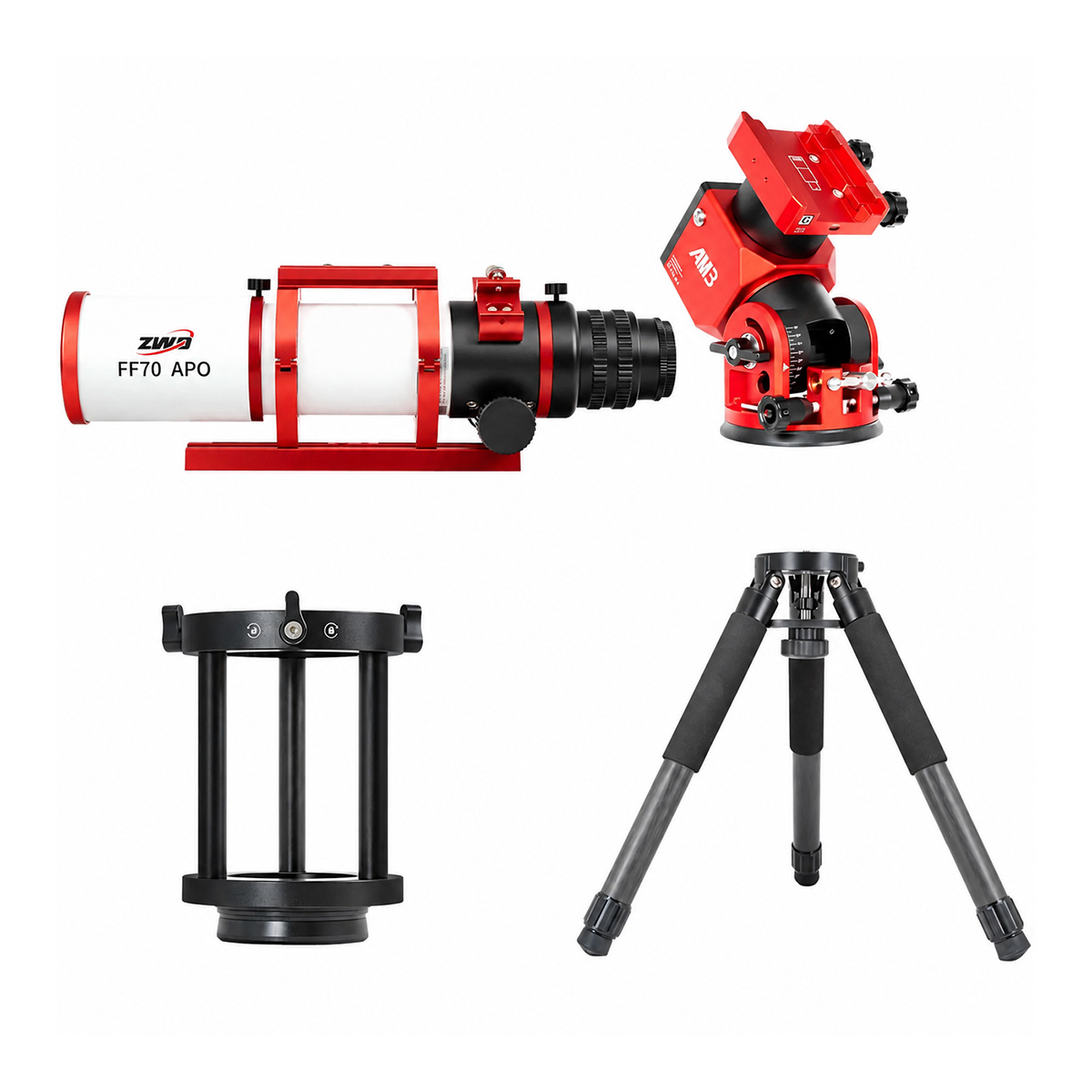
The ZWO FF70 APO and AM3N bundle offers exceptional value for astrophotographers looking to build a capable deep-sky imaging setup. Featuring the same optical design as the popular Askar 71F mentioned above, the FF70 delivers impressive full-frame imaging performance. This bundle includes the popular ZWO AM3N strain wave mount, carbon fiber tripod, and pier extension for a significantly lower price as a bundle.
Why We Picked It
Building a quality astrophotography setup can get expensive quickly, especially when purchasing a telescope, mount, and tripod separately. That's what makes this ZWO bundle such a standout value. With 18% savings compared to purchasing separately, you're getting a well-matched imaging telescope and mount, plus a TC40 carbon fiber tripod and 160mm pier extension included at no additional cost.
And there's plenty to like beyond the savings. The FF70's quadruplet optical design delivers sharp stars across a full-frame imaging circle, while its versatile 490mm focal length is ideal for popular nebulae, galaxies, and star clusters. The AM3N strain wave mount provides precise tracking in a compact package, with excellent compatibility with ZWO's ASIAIR ecosystem.
For beginners building their first serious imaging rig or experienced astrophotographers looking for a portable second setup, this bundle delivers an impressive combination of performance, convenience, and value.
-
Save 18% compared to purchasing separately
-
Includes TC40 carbon fiber tripod and 160mm pier extension
-
Full-frame-capable quadruplet optics with built-in field correction
-
AM3N strain wave mount supports up to 17.5 lb without counterweights
-
Excellent compatibility with ZWO's ASIAIR ecosystem
-
Native f/7 optics are slower than dedicated fast astrographs
-
Imaging camera, guiding equipment, and accessories sold separately
-
490mm focal length isn't ideal for very small galaxies or planetary imaging
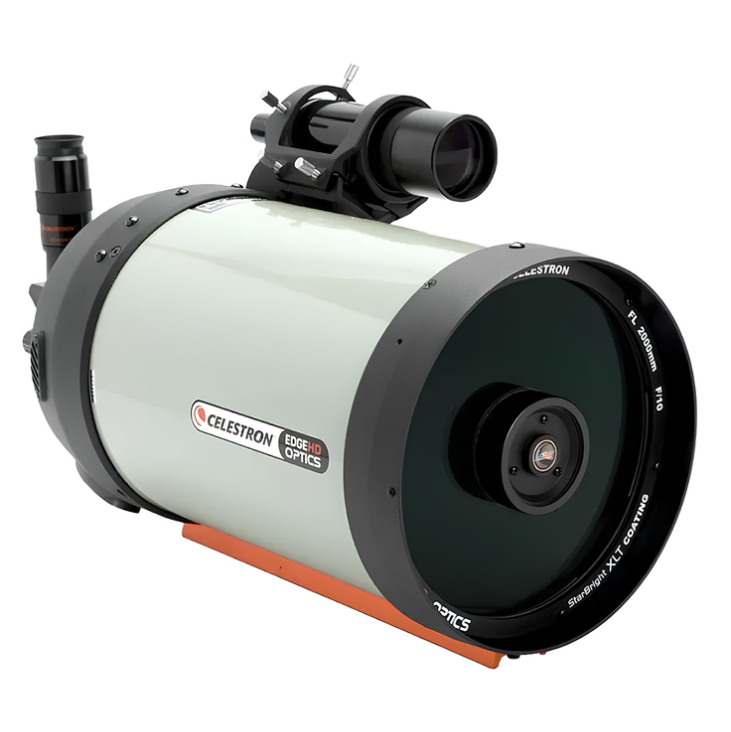
Celestron EdgeHD 8” Schmidt-Cassegrain OTA
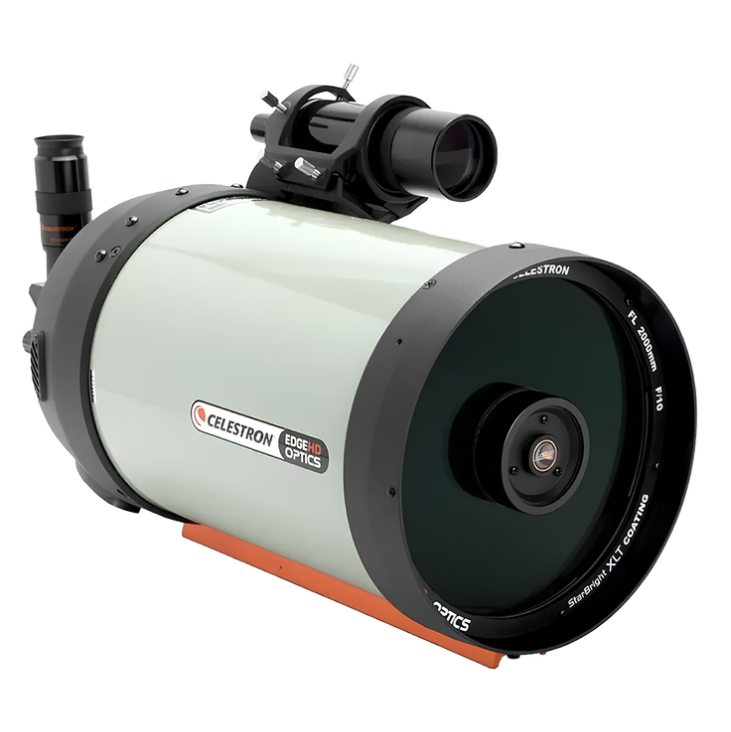
The Celestron EdgeHD 8" is a compact, long-focal-length telescope built for detailed deep-sky imaging. Featuring a 203mm aperture, 2032mm focal length, and advanced flat-field optics, it delivers sharp, high-contrast images of galaxies, planetary nebulae, and smaller targets without the bulk of a traditional long-tube telescope.
Why We Picked It
The Celestron EdgeHD 8" stands out because it packs an impressive 2032mm focal length into a compact 17" optical tube. This gives astrophotographers the narrow field of view and larger image scale needed to capture smaller galaxies, planetary nebulae, and distant targets that appear tiny through shorter focal-length telescopes.
At f/10, its advanced EdgeHD optical system corrects both field curvature and coma, producing sharp, round stars across a wide imaging field. Its large 8" aperture gathers plenty of light, while Celestron's StarBright XLT coatings help maximize light transmission. For added versatility, an optional 0.7x reducer brings the telescope down to 1422mm at f/7 for faster imaging and a wider field of view.
For imagers looking to capture smaller deep-sky targets, the EdgeHD 8" is an easy pick. Its compact 14 lb optical tube is easier to manage than many similarly long-focal-length telescopes, while built-in mirror support clutches help reduce image shift during long exposures. Combined with its cooling vents and versatile optical design, it's a fantastic choice for astrophotographers ready to explore long-focal-length imaging.
-
Long 2032mm focal length provides excellent image scale for small targets
-
Large 8" aperture captures impressive deep-sky detail
-
EdgeHD flat-field optics deliver sharp, coma-free stars
-
Compact 17" optical tube packs serious focal length into a portable design
-
Optional 0.7x reducer provides faster f/7 imaging at 1422mm
-
Long focal length demands precise tracking and autoguiding
-
Native f/10 optics require longer exposures than faster astrographs
-
Narrow field of view makes framing large nebulae difficult
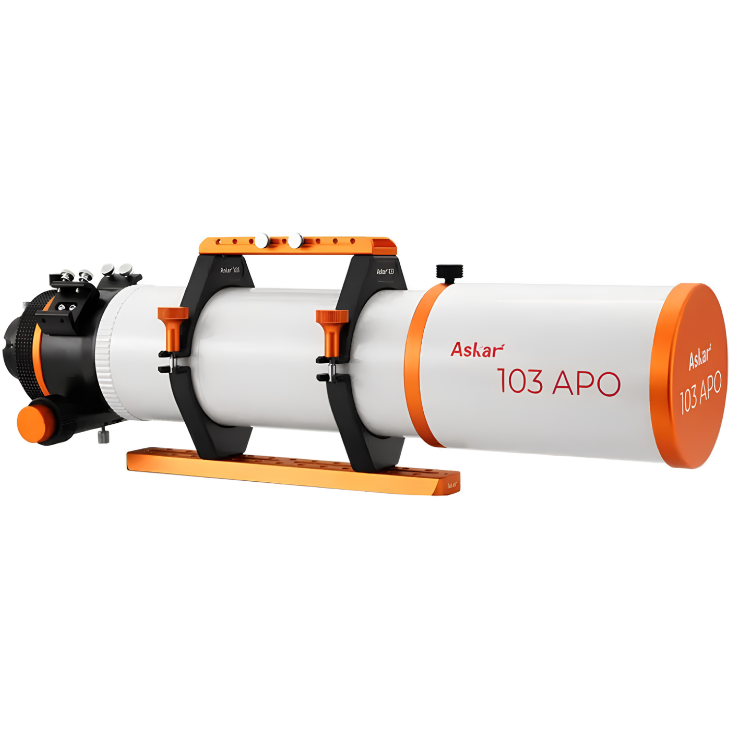
Askar 103APO Triplet Refractor Telescope
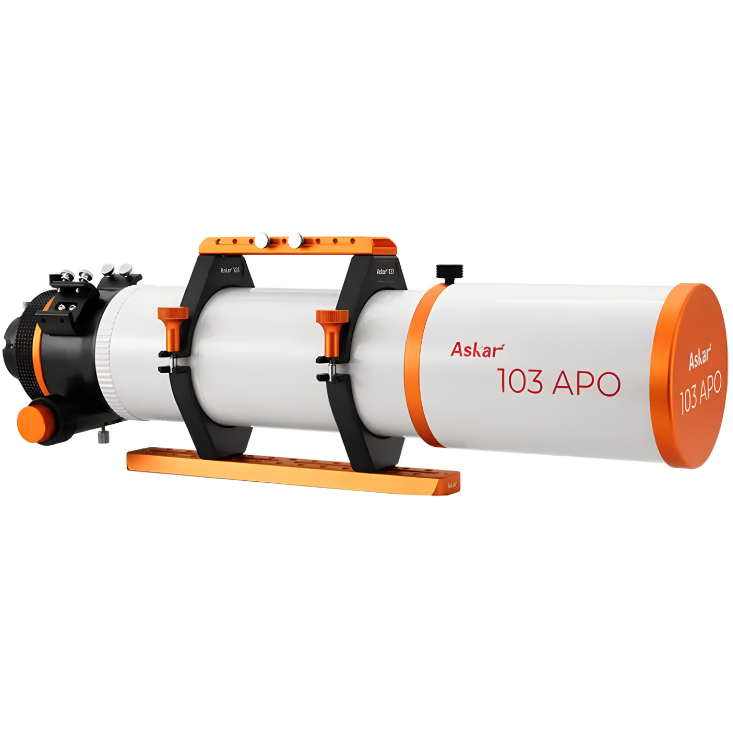
The Askar 103APO is a highly versatile imaging refractor that strikes a balance between portability, resolution, and flexibility. Its 103mm triplet design gives you excellent image quality, while its optional flatteners and reducers let you work at multiple focal lengths — from 420mm all the way up to 700mm — so it can handle everything from wider nebulae to smaller deep-sky targets without locking you into one type of imaging.
- Versatile design can be configured from 420mm to 700mm
- 103mm aperture offers a strong balance of portability and resolution
- Triplet optics deliver excellent color correction and image quality
- Well suited to both wider and more medium-scale deep-sky imaging
- Easier to mount and manage than larger refractors
- Flatteners and reducers are sold separately and are required for imaging
- Native focal ratio is not as fast as dedicated wide-field Petzval designs
Still Not Sure Which Telescope Is Right for You?
There's no single telescope that's best for every astrophotographer. The right choice depends on what you want to photograph, your camera and mount, your budget, and how portable you need your setup to be. If you're just getting started, our Best Beginner Astrophotography Gear guide can help you understand the equipment needed to build your first imaging setup. And if you're still deciding between astrophotography, visual observing, or a smart telescope, explore our broader Best Telescopes for 2027 recommendations.
At Agena Astro, we carry more than 400 telescope models for every experience level, giving you the largest variety of in-stock telescopes in North America to choose from. Our selection includes everything from Astrophotography Telescopes and Refractor Telescopes to Smart Telescopes, with options across a wide range of budgets and imaging goals.
Looking for a more human touch? Our team helps astrophotographers of all experience levels choose telescopes and build complete imaging setups. We're always happy to help you find the right gear for your goals and budget.